
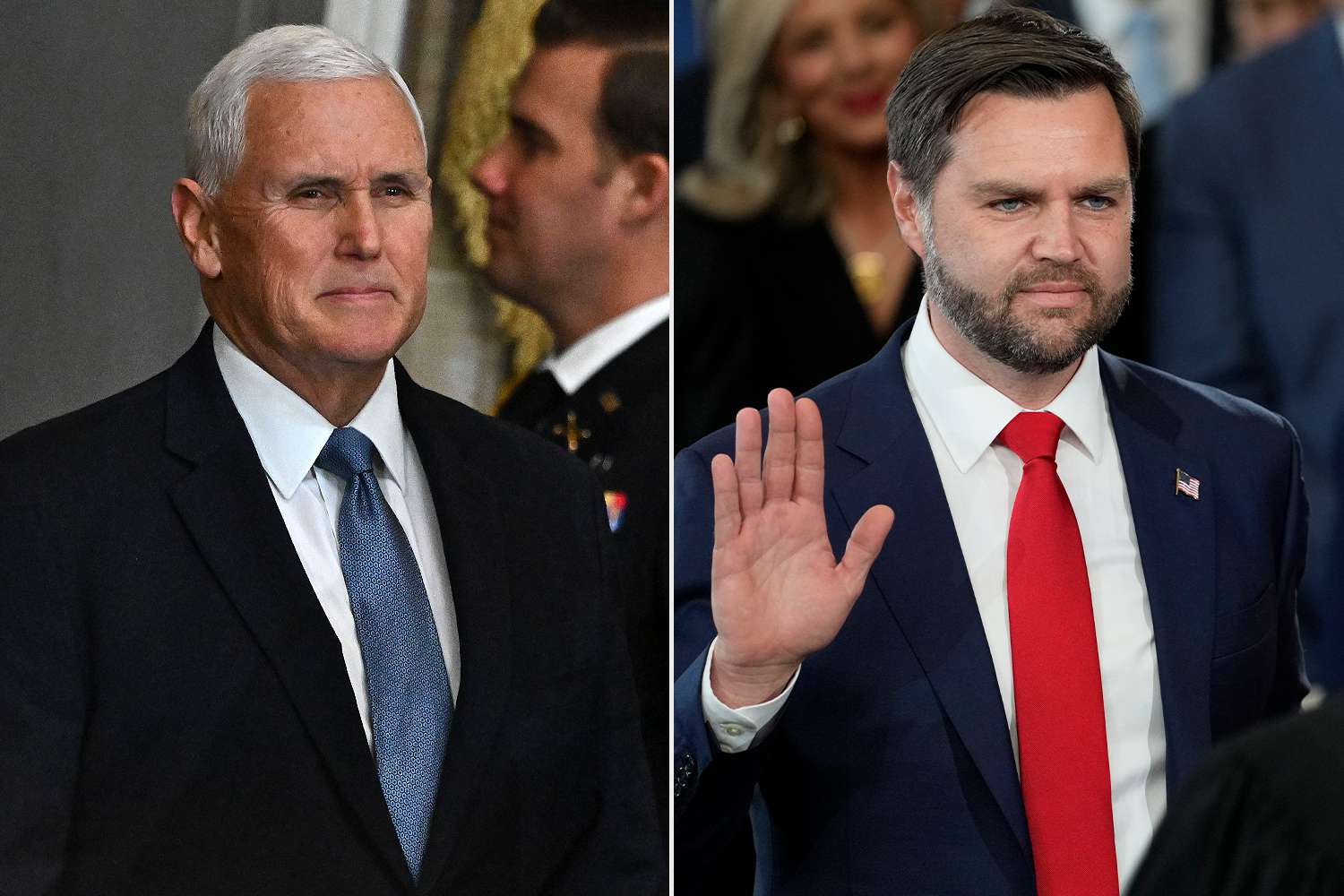

Pence Warns Vance to Avoid Obama-Style Iran Deal Ahead of Talks in Pakistan/ TezzBuzz/ WASHINGTON/ J. Mansour/ Morning Edition/ Former Vice President Mike Pence urged the Trump administration to avoid a new Iran nuclear deal. Pence called for Iran to abandon nuclear ambitions ahead of talks in Pakistan. Vice President JD Vance signaled cautious optimism while warning of consequences.
- Mike Pence warns against Obama-style Iran deal
- JD Vance preparing for Pakistan nuclear talks
- Trump announces two-week ceasefire with Iran
- Pence calls for unconditional nuclear dismantlement
- Maximum pressure strategy emphasized by Pence
- Vance says negotiations in “good spot”
- Strait of Hormuz reopening cited as progress
- Military enforcement option remains on table
- Talks mark highest-level diplomacy since 1979

WASHINGTON — Former Vice President Mike Pence is urging the Trump administration to take a hard-line approach in upcoming nuclear negotiations with Iran, warning against repeating what he described as failed diplomacy from previous administrations.
Speaking on “Fox & Friends,” Pence praised recent U.S. military actions against Iran but cautioned Vice President JD Vance and special envoy Steve Witkoff to demand the unconditional dismantling of Iran’s nuclear program during talks scheduled in Pakistan this weekend.
“The last thing we want is another Iran nuclear deal,” Pence said, referencing the Obama-era agreement that the Trump administration withdrew from during his time as vice president. Pence argued that the previous deal weakened U.S. leverage and allowed Iran to continue pursuing nuclear capabilities.
Pence credited the Trump administration’s earlier “maximum pressure” campaign with strengthening U.S. negotiating power. He criticized the Biden administration for what he called a return to “politics of appeasement,” claiming that lifting pressure on Iran reduced U.S. influence.
The negotiations come after President Donald Trump announced a fragile two-week ceasefire earlier this week following heightened tensions and military exchanges between the United States and Iran.
According to Pence, any agreement should require Iran to fully abandon its nuclear weapons ambitions, reopen the Strait of Hormuz, and cease support for regional proxy groups.
“My prayer is, as the vice president and our negotiation team goes to Pakistan, is that they draw that line,” Pence said. “We hold them to that deal in the months and years ahead.”
Pence also emphasized the importance of maintaining military readiness if Iran fails to comply with any future agreement. He argued that diplomatic progress must be backed by credible military deterrence.
“President Trump has reversed that and created the conditions where I think we have a pathway to a diplomatic solution,” Pence said. “But we’ve got to have the sheer, incredible force of the United States and our allies behind us to enforce it.”
Vice President JD Vance, who is traveling to Pakistan for the negotiations, indicated that diplomatic discussions may be progressing. He described the talks as being in a “good spot” and pointed to the ceasefire and reopening of the Strait of Hormuz as signs of cooperation.
However, Vance also stressed that the United States would respond strongly to any violations.
“We obviously don’t want the people of Iran to suffer, but we have a lot of leverage that the president of the United States could use,” Vance said. “It’s why I think it’s so important for the Iranians to be negotiators in good faith.”
The upcoming talks represent the highest-level diplomatic engagement between the United States and Iran in decades, with tensions remaining high despite the temporary ceasefire.
Pence’s comments reflect ongoing debate within conservative circles over how aggressively the United States should approach Iran. While some advocate for diplomatic engagement, others emphasize maintaining pressure and deterrence to prevent Iran from developing nuclear weapons.
The negotiations in Pakistan are expected to focus on nuclear restrictions, regional stability, and maritime security, including safe passage through the Strait of Hormuz — a critical global shipping route.
As diplomacy begins, both sides face pressure to secure lasting stability while avoiding further escalation. The outcome of the talks could shape U.S. foreign policy, regional security, and political debate heading into upcoming elections.
More on US News
Comments are closed.