
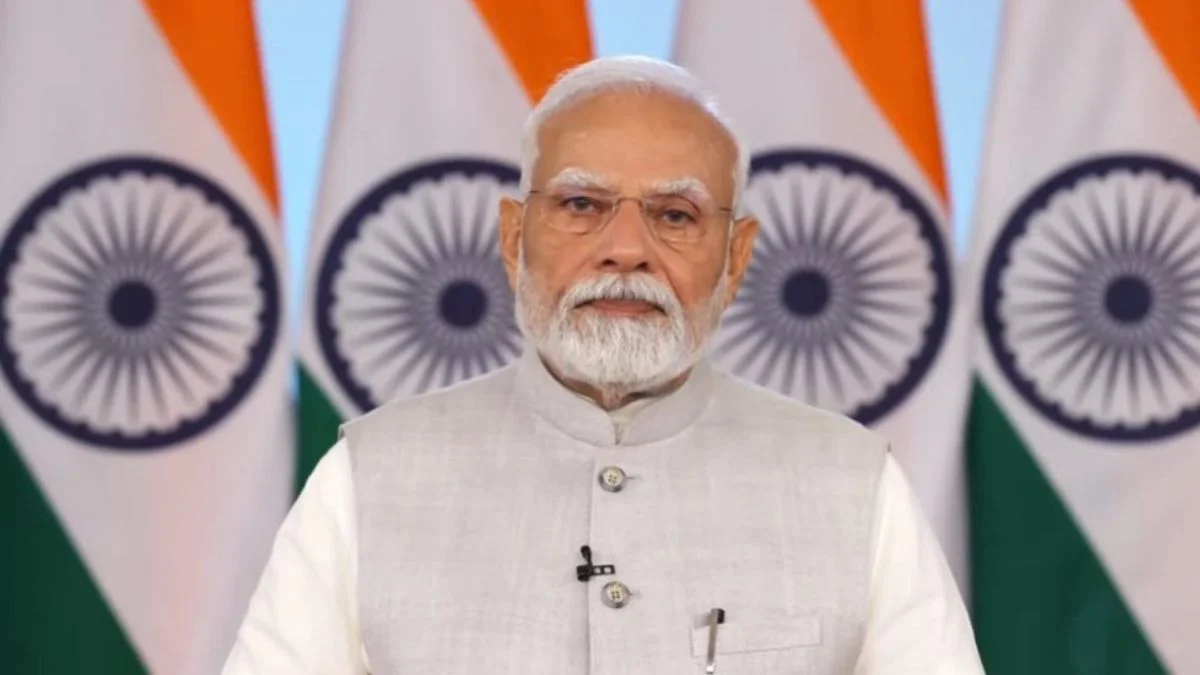
PM Modi says situation in Strait of Hormuz has become ‘difficult’ and … – Full comments here

Prime Minister Narendra Modi addressed the Lok Sabha on March 23, 2026, making his most comprehensive public statement yet on the impact of the West Asia conflict on India, acknowledging that some Indians have lost their lives and others have been injured in the ongoing war, while assuring the House that the government is sensitive, alert, and ready to help.
The Prime Minister’s statement came as Indian markets were already deep in the red, gold and silver were crashing, and Trump’s 48 hour ultimatum to Iran was counting down toward its Tuesday morning expiry. His appearance in Parliament to directly address the conflict marks a significant escalation in the government’s public communication around the war’s impact on India.
On the Strait of Hormuz
The Prime Minister was direct about the severity of the situation at the world’s most critical oil chokepoint. “Situation has become difficult in Strait of Hormuz,” Modi said, adding that the government’s focus was on minimising inconvenience to households. The Strait of Hormuz, through which approximately one fifth of global oil supply passes, has been effectively closed or severely disrupted since Iran’s retaliatory actions following the US and Israeli strikes in late February 2026. India, which depends on this route for a significant share of its crude oil imports and trade, has been in active diplomatic engagement with regional parties to secure passage for Indian vessels.
On Indians Affected by the War
In one of the most sombre moments of his statement, the Prime Minister acknowledged direct Indian casualties. “Some Indians have lost their lives, some have been injured,” Modi said in Parliament. The acknowledgement is significant. A large Indian diaspora and workforce population lives and works across the Gulf region, including in the UAE, Saudi Arabia, Kuwait, Qatar, Oman, and Bahrain, all of which are in or near the conflict zone and facing the threat of Iranian strikes on energy and water infrastructure as part of the escalating exchange of threats with the United States.
On India’s Trade and Energy Exposure
Modi underlined the structural importance of the West Asia region to India’s economy. “The region where the war is going on is an important route for our trade. A large chunk of our crude oil requirements is met by this region,” he said. India imports over 85 percent of its crude oil requirements and the Gulf region accounts for a substantial portion of that import basket.
The Prime Minister also cited India’s energy diversification efforts over the past 11 years as a partial buffer against the current crisis. “India has diversified its energy basket in the last 11 years. We used to import from 27 countries, now that number has gone up to 41 countries,” Modi said. The expansion of India’s supplier base, which now includes significant volumes from Russia at discounted prices, has provided some cushion against the full impact of Middle East supply disruptions on India’s actual import cost, even as the benchmark Indian Crude Basket has surged past $156 per barrel.
On Petrol and Diesel Supply
The Prime Minister sought to reassure the public directly on the question of fuel availability. “We have worked towards ensuring that petrol and diesel supply stays uninterrupted,” Modi said, adding that the government’s focus remained on minimising inconvenience to households. The statement comes as oil marketing companies including Indian Oil, Bharat Petroleum, and Hindustan Petroleum continue to absorb under-recoveries by holding retail fuel prices flat despite the crude basket more than doubling since January 2026.
The Government’s Posture
Modi closed his remarks with a reassurance of institutional readiness. “Government is sensitive, alert and ready to help,” he said, characterising the West Asia crisis as one that has created a negative impact on the world economy and on people’s lives globally.
The Prime Minister’s statement in Lok Sabha today is the most direct acknowledgment yet from the highest level of the Indian government that the West Asia war is not a distant geopolitical event but a present economic and human reality for India, with Indian lives lost, Indian trade routes disrupted, and Indian households facing the early consequences of the most significant global energy crisis in decades.
This article is based on Prime Minister Narendra Modi’s statement in the Lok Sabha on March 23, 2026.

Comments are closed.