
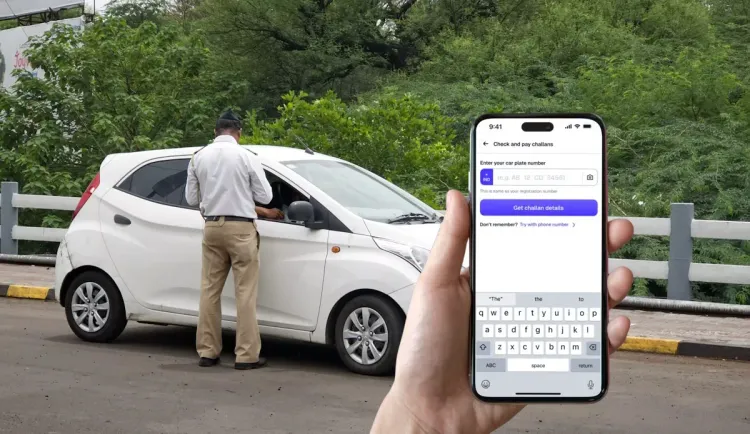

Challans and fines play a key role in lane and traffic rules enforcement. Many a time, people do not pay these fines. The Pune traffic police has now issued a warning to all vehicle owners who haven’t paid their challans, asking them to clear the same within a month of receiving the notice. Failing to do so will lead to strict legal actions, including suspension of driving license or even court proceedings.
Pune Traffic Police Department’s Recovery Drive: Details
According to the statement issued by the traffic department, a significant number of motorists in the city continue to keep unpaid e-challans. The department has launched a targeted recovery drive to ensure compliance.
Vehicle owners with pending e-challan payments will get notices asking them to clear the dues within 30 days of receipt. If the payment is not made within this period, the traffic police will forward a proposal to the Regional Transport Office (RTO), Pune, seeking suspension of the driving licence. In addition, legal proceedings may be initiated in court wherever required.
Additional Commissioner of Police Manoj Patil said that the move is aimed at strengthening enforcement and improving compliance.
He noted that several vehicle owners repeatedly violate traffic rules but fail to clear their e-challan penalties. This weakens enforcement efforts and directly affects road safety. This has made the department tighten enforcement and issue notices to habitual defaulters. The Additional Commissioner urged citizens to cooperate and clear pending dues promptly. The message is clear: The department is very serious about the recovery this time.
Enforcement Notices: How Will You Get Them?
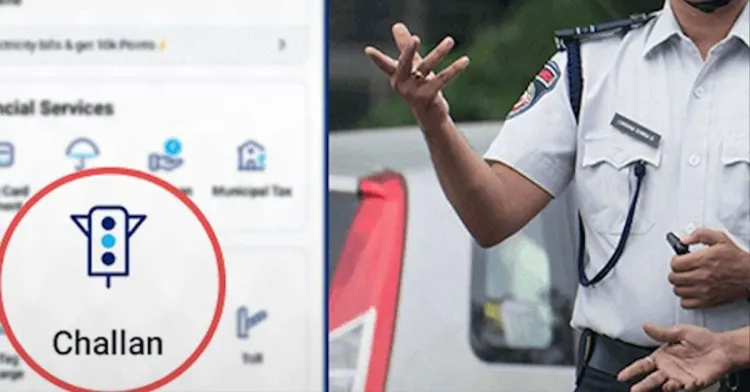
The traffic police clarified that notices will be sent to the registered mobile number of vehicle owners from the registered ID ‘MHPECH-G, as SMS. Habitual defaulters will get these between February 26 and March 1. Since we live in an era of spam and online fraud, authorities have warned citizens to treat any message received outside this period or from any other sender ID as suspicious.
How To Pay Pending Fines
Vehicle owners can clear their pending e-challans through the official Maharashtra Traffic e-Challan websitethe Pune Traffic Police (PTO) mobile application, or by visiting the nearest traffic division office.
Another way is to go to the nearest traffic division office and make an offline payment. QR code, debit card or credit card can be used for this.
Amended Rules, Stricter Recovery
Under the amended Central Motor Vehicles Rules notified in January 2026, not paying challans is seen as a serious offense. The new rules give the challan holder 45 days to either pay or contest the challan. The government portal can be used if opting for the latter, and with evidence.
If the person doesn’t pay even after giving another payment window, strict legal actions will follow. Driving license and vehicle registration would be affected. The vehicle may even get flagged as ‘Not to be transacted’ till dues are cleared.
The new rules have set fixed timelines for penalty payments. It has also created a digital dispute route for contesting a challan. And finally, non-payment now has more serious consequences. Pune’e enforcement drive seems to be based on the new rules.
Pune Also Considering Ban On Old Vehicles
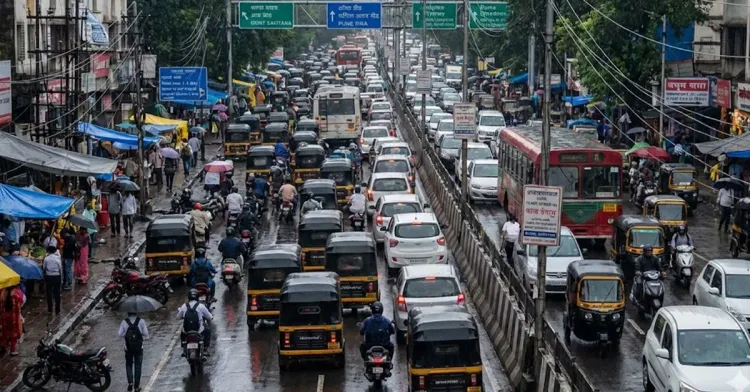
Recently, Pune’s Regional Transport Authority (RTA) had made headlines by considering a complete ban on old vehicles (of over 15 years of age) from entering the city limits. The RTA has is known to be preparing a proposal around this. This will be submitted to the Maharashtra state government for approval. If it goes through, over 7 lakh vehicles will be banned from operating in Pune. These will include 6,83,411 private vehicles and 46,284 transport vehicles. Two-wheelers will constitute a large share of this- more than 5 lakh units.
The move to ban old vehicles is in response to the rising pollution levels and to ease traffic congestion, particularly on arterial roads. We will get to see the direction that this proposal takes, in the coming months.

Comments are closed.