
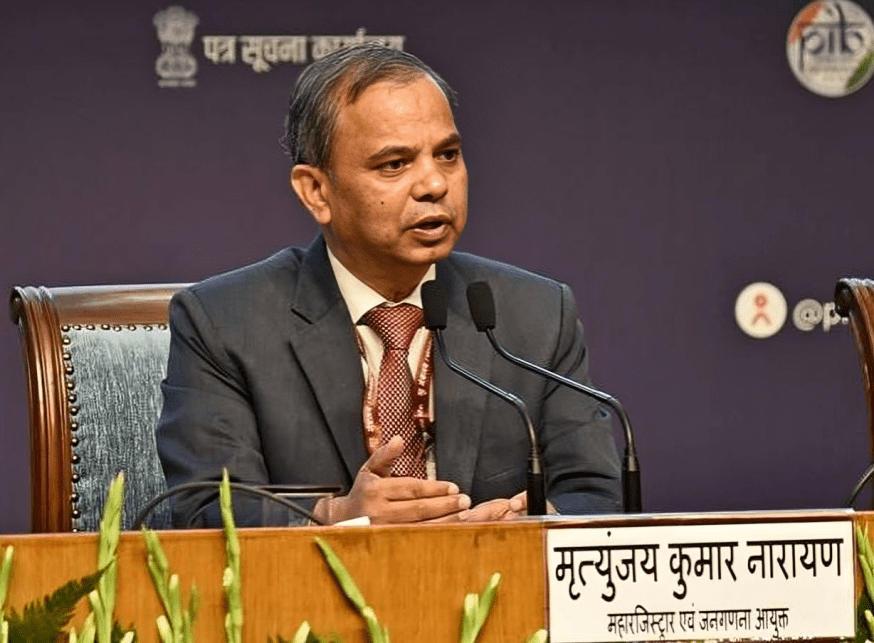
Preparation for Census 2027 begins: Questionnaire survey from April 1 to September 30, option for self-enumeration for the first time

Preparations for the much-awaited Census 2027 in India have now intensified. Taking a big step in this direction, the Central Government has announced that a questionnaire survey will be conducted before the census. 1 April to 30 September 2026 Will be done till. This time’s census will be special in many ways, because for the first time it will Self Enumeration That means citizens will be able to fill their information online themselves.
This step is being considered an important initiative towards Digital India, which is expected to make the census process more transparent, faster and accurate.
Registrar General of India The census conducted under is the most important process related to the population, social structure, economic condition and demography of the country. It is conducted once every 10 years and its data forms the basis for government policies, plans and distribution of resources.
Education, health, employment, urban development and rural plans are prepared on the basis of census data.
According to the information released by the government, the work of collecting information through door-to-door or digital means before Census 2027 will start from April 1, 2026 and will continue till September 30, 2026.
During this, census officials will collect various social, economic and personal information from citizens. Also, the facility of self-enumeration will be available for those who want to give their information through digital medium.
The biggest change in this year’s census is the facility of self-enumeration. Citizens under:
- You will be able to fill your information yourself through online portal or mobile app.
- Will be able to enter information of all family members together
- You will be able to fill the data by choosing the time as per your convenience.
This will not only save time but will also increase the accuracy of data.
In the Census 2027 questionnaire, many important questions will be asked from the citizens, which will reflect their personal, social and economic status. These include:
1. Personal Information:
- name, age, gender
- marital status
- Place of birth and nationality
2. Education and Employment:
- Educational qualification
- current employment status
- Occupation and sources of income
3. Family and Housing:
- number of family members
- Type of house (kutcha/pucca)
- Drinking water, toilet and electricity facilities
4. Social and Economic Status:
- Caste and Religion (if applicable)
- Disability related information
- Availability of bank account, mobile and internet
5. Migration:
- Whether the person has come from any other state or district
- Reason for migration (employment, education etc.)
Through these questions, the government will get a comprehensive picture of the actual socio-economic situation of the country.
The use of digital technology in Census 2027 will have several benefits:
- Speed and accuracy in data collection
- Less possibility of fake or duplicate entry
- Easy and convenient process for citizens
- Real-time data monitoring
Experts believe that this step will take India towards a modern data management system.
However, some challenges may also arise with digital census, such as:
- Lack of internet in rural areas
- lack of technical knowledge
- Data security and privacy issues
The government is planning to set up awareness campaigns and technical support centers to deal with these challenges.
Census 2027 can prove to be an important milestone for India. The process is going to become more modern and transparent with the facility of self-enumeration for the first time.
This campaign will be successful only with the active participation of citizens. Providing correct and accurate information is not only a responsibility, but it is also an important means of contributing to the development of the country.

Comments are closed.