


The ongoing conflict in West Asia is forcing a hard look at energy security, prompting immediate calls from the highest levels of government to accelerate the shift away from imported crude oil. Prime Minister Narendra Modi recently met with chief ministers and lieutenant governors to outline a strategy for dealing with the global energy shock. Central to this plan is a massive push for electric mobility, biofuels, and solar energy to insulate the economy from unpredictable fuel prices.
The urgency stems from recent geopolitical events. Following the attacks involving the US, Israel, and Iran in late February, global supply chains have faced severe disruptions. A blockade of the Strait of Hormuz has amplified concerns regarding the steady flow of crude oil. With dependence on imports for about 85 percent of its crude oil demand, the country remains highly vulnerable to these external shocks.
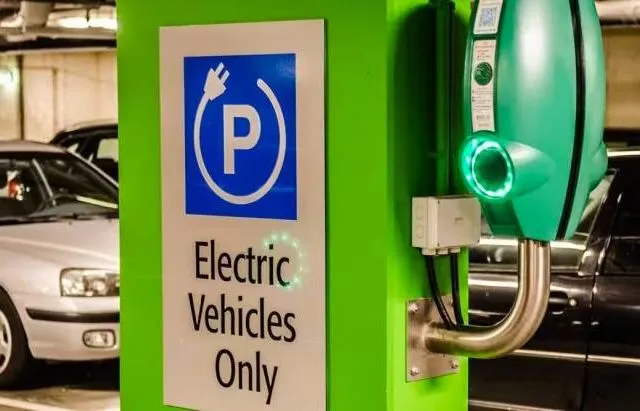
During the meeting, the Prime Minister explicitly called for the rapid promotion of electric vehicles and alternative fuels. This includes expanding the use of compressed biogas through the GOBARdhan initiative and increasing the network of piped natural gas connections. For the automotive sector, this top level directive signals that the transition toward electric mobility and ethanol blended fuels will likely see continued, if not accelerated, policy support.
Alongside the push for alternative energy, the government is also stressing the need to boost domestic exploration for oil and natural gas. This requires active cooperation from state governments to clear regulatory hurdles and facilitate new energy projects. The immediate priority is to maintain economic stability and safeguard the interests of citizens who ultimately bear the brunt of rising transport and logistics costs.
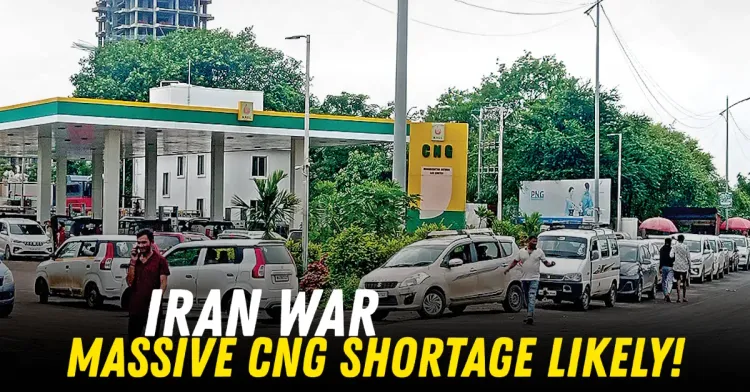
The immediate fallout of the West Asia crisis is already being felt in the supply of liquid petroleum gas. Disruptions have raised serious concerns about an LPG shortage, forcing some industries and commercial eateries to limit operations or switch to alternative fuels.
In response, the government has revised the mandatory gap between LPG cylinder bookings. The waiting period has been increased to 25 days for urban households and 45 days for rural areas, up from the previous 21 days.
Union defence minister Rajnath Singh, who also spoke at the meeting, confirmed that efforts are actively underway to ensure the timely availability of LPG. He also noted that the government has been working to reduce excise duties on petrol and diesel to provide relief at the fuel pumps.
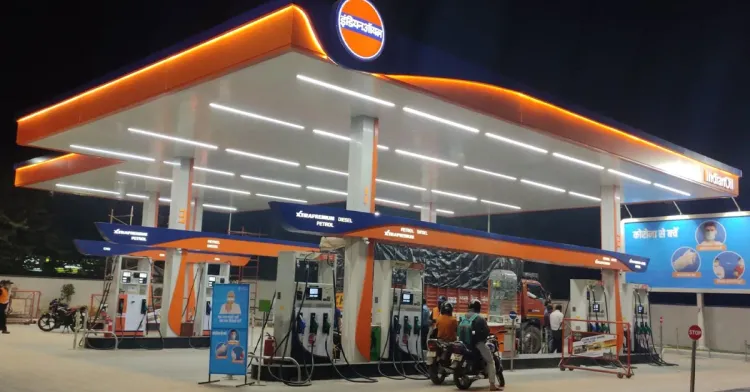
To manage the ripple effects of the crisis, the Prime Minister has directed states to ensure supply chains function smoothly without disruptions. State administrations have been asked to take strict action against hoarding and profiteering. With the Kharif sowing season approaching, particular attention is being given to securing stockpiles for the agriculture sector, especially fertilizers.
The Prime Minister also cautioned against the spread of misinformation regarding fuel shortages. State governments have been advised to ensure the timely dissemination of accurate information to prevent panic buying at petrol pumps. States with citizens residing in West Asia are activating helplines and appointing nodal officers to assist affected families, ensuring that the focus remains on organized and measured responses.
Border and coastal states have been instructed to pay special attention to emerging challenges related to shipping and maritime operations. The situation is being treated as highly dynamic, requiring continuous monitoring.
While the country has experience dealing with global supply chain collapses, the current crisis underscores the critical need for a structural shift in how vehicles are powered. The message to the auto industry and consumers is clear: relying heavily on imported crude oil is no longer a sustainable long term strategy.

Comments are closed.