
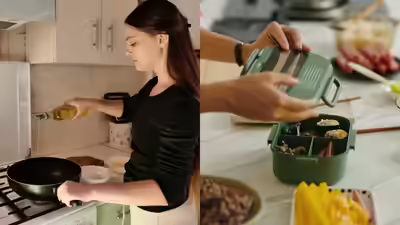
Psychology says people who still prefer home-cooked food over ordering in share these 7 personality traits

7 Personality Traits Common Among People Who Prefer Home-Cooked Food
In an age of food delivery apps, instant meals and restaurant takeaways, many people still choose to prepare food in their own kitchens. While psychologists stress that food preferences alone do not define personality, research suggests that certain habits, values and personality traits are often associated with those who regularly enjoy home-cooked meals.
Studies in psychology and nutrition have found that people who prefer cooking at home tend to display characteristics linked to healthier lifestyles, stronger routines and greater self-awareness. Here are seven personality traits commonly seen among people who favor homemade food.
1. They Tend to Be More Conscientious
One of the strongest links found by psychologists is between home cooking and conscientiousness, a personality trait associated with organization, responsibility and self-discipline.
People who score high in conscientiousness are generally more likely to plan ahead, maintain healthy habits and make decisions that benefit their long-term well-being. Preparing meals at home often reflects this mindset because it requires time, planning and consistency.
2. They Are More Health Conscious
Those who cook at home often have greater control over ingredients, portion sizes and cooking methods. This allows them to make healthier choices and avoid excessive sugar, salt and unhealthy fats commonly found in processed foods.
Research suggests that people who pay attention to their health are more likely to include fruits, vegetables and balanced meals in their daily diet.
3. They Are Comfortable Delaying Gratification
Ordering food offers instant convenience, while cooking requires patience and effort. People who regularly prepare their own meals often show a greater willingness to invest time now for benefits later.
Psychologists associate this ability with self-control and long-term thinking, traits that can contribute to success in many areas of life.
4. They Value Family Traditions and Relationships
For many people, cooking is closely connected to family memories, cultural traditions and shared experiences.
Homemade meals often bring families together around the dining table and help preserve recipes that have been passed down through generations. As a result, people who enjoy home cooking frequently place a high value on relationships and social connections.
5. They Seek Comfort and Familiarity
Food is deeply connected to emotions. Familiar homemade dishes can provide a sense of comfort, security and nostalgia, especially during stressful periods.
Many people associate home-cooked meals with childhood memories, celebrations and family gatherings, making these foods emotionally meaningful as well as nourishing.
6. They Make More Intentional Choices
Preparing meals at home requires planning ingredients, deciding what to cook and thinking carefully about nutrition and taste.
This process often reflects a broader tendency toward mindful decision-making. Rather than relying solely on convenience, these individuals are more likely to consider the long-term impact of their choices.
7. They Often Maintain Structured Routines
Regular cooking usually involves meal planning, grocery shopping and consistent eating schedules. People who enjoy home-cooked meals often develop routines that support both physical and mental well-being.
Psychologists have found that structured daily habits can contribute to better health, reduced stress and greater overall life satisfaction.
The Bottom Line
Of course, preferring home-cooked food does not automatically mean someone possesses all of these traits. Factors such as work schedules, income, cooking skills and access to ingredients also influence eating habits.
However, research suggests that people who consistently choose homemade meals are often more health-conscious, organized, family-oriented and intentional in their daily lives. In many cases, the foods people choose can reveal valuable insights into their habits, priorities and approach to life.
Comments are closed.