
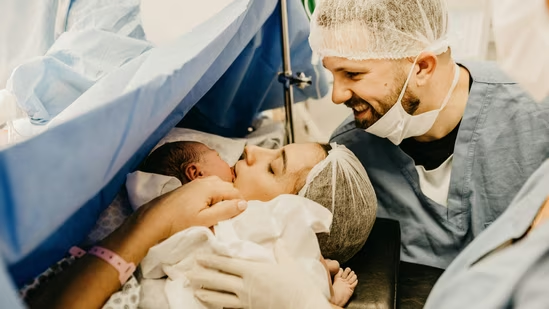
Pune gynaecologist busts myths around C-section vs normal delivery, says ‘not an easy way out’

Choosing how a baby enters this world is one of the most personal and often overwhelming decisions an expectant parent will make. Unfortunately, it’s also an area crowded with unsolicited advice, half-truths, and outdated myths. Whether the journey leads to a delivery room or an operating theatre, the objective remains constant: the safety and well-being of both mother and child. In conversation with Tezzbuzz Lifestyle, Dr Varshali Mali, consultant OBGY, Surya Mother and Child Super Specialty Hospital, Pune debunks myths and clears confusion on delivery methods.
1. Myth: C-Sections are the ‘easy way out’
Reality: Dr Vaishali said, “A caesarean section is a major abdominal surgery, not a shortcut to delivery. While it may bypass labour contractions, it involves incisions, stitches, and a recovery period that can extend several weeks.” Limited mobility, post-operative pain, and medical monitoring are all part of the process, making it a physically demanding experience.
2. Myth: Once a C-section, always a C-section
Reality: Most people blindly believe that once a woman goes through c-section, there is no way to go back. However, this is no longer a universal rule. Dr Vaishali highlighted that many women are eligible for a vaginal birth after caesarean, depending on factors such as the reason for the first surgery and the condition of the uterine scar. With proper medical assessment, a vaginal delivery can often be a safe and viable option.
3. Myth: Vaginal delivery permanently damages the body
Reality: Dr Vaishali clearly states that pregnancy itself places significant strain on the body, irrespective of the mode of delivery. While temporary changes such as pelvic floor weakness can occur, they are often manageable with pelvic floor exercises and a well balanced diet, helping many women regain strength and function over time.
4. Myth: Breastfeeding isn’t possible after a C-Section
Reality: “Breastfeeding after a C-section is entirely possible. The body remains hormonally prepared, and early skin-to-skin contact along with professional lactation support can significantly ease the process,” said Dr Vaishali.
5. Myth: C-Sections are always safer because they’re controlled
Reality: “While C-sections are lifesaving in specific situations, they are not inherently safer for all pregnancies,” Dr Vaishali told Tezzbuzz Lifestyle. As with any surgery, they carry risks such as surgical and anaesthesia risk, more blood loss and longer recovery time. For low-risk pregnancies, vaginal delivery is generally recommended due to fewer complications and quicker recovery. Any uncomplicated delivery, vaginal or caesarean section, are good for both mother and baby.

Comments are closed.