
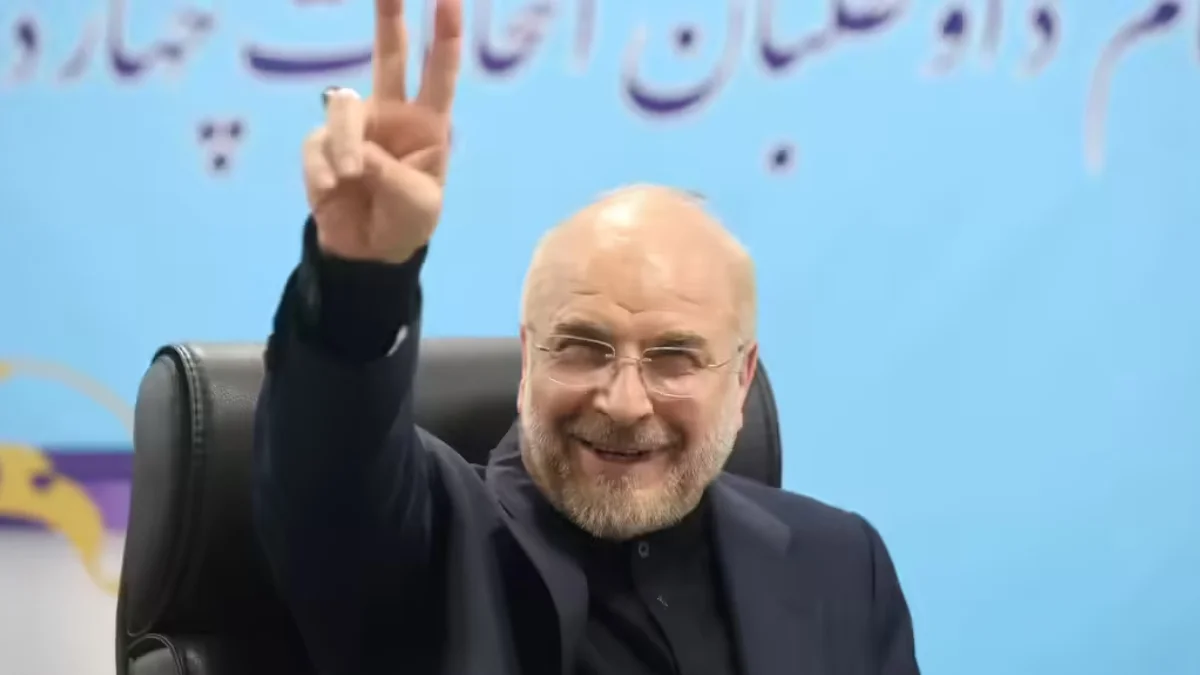

Mohammad Bagher Qalibaf has expressed dissatisfaction with the outcome of recent negotiations involving Iran and the United Statesstating that Washington failed to take necessary steps to build trust. His remarks come after a round of discussions aimed at addressing key bilateral and regional issues. Qalibaf emphasised that Iran had presented constructive proposals during the talks, describing them as reflective of goodwill and a willingness to engage in meaningful dialogue.
Concerns over lack of trust building measures
According to the Iranian speaker, the absence of reciprocal actions from the United States has limited progress in the negotiations. He suggested that confidence building measures are essential for advancing diplomatic engagement and achieving long term agreements. Trust remains a central challenge in relations between the two countries, with past tensions and disagreements continuing to influence current interactions. Statements from Iranian leadership indicate that any future progress will depend on tangible steps from both sides.
Diplomatic context and ongoing tensions
The negotiations are part of broader efforts to address longstanding issues between Iran and the United States, including security concerns and regional dynamics. While dialogue has continued intermittently, differences in approach have often slowed progress. Observers note that both countries face domestic and international pressures that shape their negotiating positions. As a result, achieving consensus requires careful balancing of strategic interests and diplomatic priorities.
Role of dialogue in conflict resolution
Despite the criticism, diplomatic engagement remains a key channel for managing tensions and preventing escalation. Talks provide an opportunity to address disagreements, clarify positions, and explore areas of potential cooperation. International actors have consistently encouraged continued dialogue between Iran and the United States, highlighting the importance of communication in maintaining stability in the region.
Implications for regional stability
The outcome of negotiations between Iran and the United States has significant implications for the Middle East, where geopolitical dynamics are closely linked to their relationship. Progress in talks could contribute to reduced tensions, while setbacks may prolong uncertainty. Qalibaf’s remarks reflect ongoing concerns within Iran regarding the direction of diplomatic engagement and the need for balanced commitments.
Outlook for future negotiations
As discussions continue, both sides are expected to reassess their strategies and explore ways to bridge differences. The emphasis on trust building measures is likely to remain central to future talks. The situation highlights the complexity of international diplomacy, where progress often depends on sustained engagement and mutual confidence.

Comments are closed.