

The **US-Israel-Iran conflict** that has been escalating, which began on **February 28, 2026**—when joint strikes killed Iran’s Supreme Leader Ali Khamenei and targeted military/nuclear targets—has now engulfed the Gulf region’s energy infrastructure. Iran retaliated by firing missiles and drones at US-linked targets and regional facilities, including key energy centers.
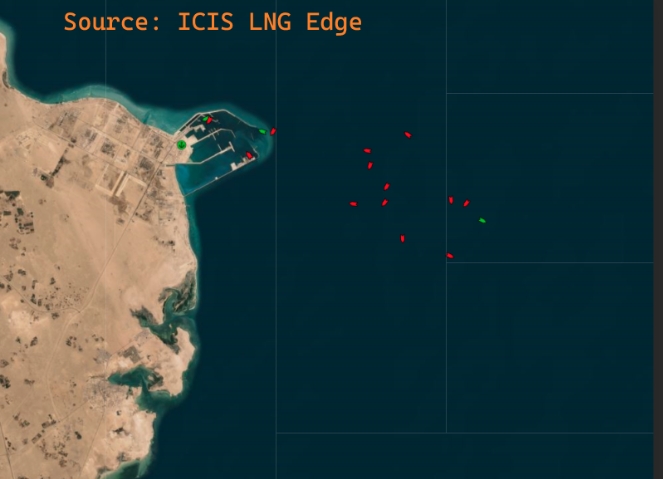
**On March 18–19, 2026**, Iranian missiles struck Qatar’s **Ras Laffan Industrial City**—the world’s largest LNG production and export hub, which previously produced about 20% of global supply. QatarEnergy reported “extensive damage,” fires and operational disruptions; Earlier work had been halted as a precautionary measure (the initial halt was imposed after incidents of drone strikes in early March). Qatari authorities intercepted several missiles in the air, but at least one missile caused significant damage; Emergency teams brought the fire under control, and no immediate injuries were reported. Qatar strongly condemned the attack, expelled Iranian military/security officials from the country, and declared ‘force majeure’ (exemption from obligations due to unavoidable circumstances) on LNG exports.
Precautionary action was also halted elsewhere: the UAE closed Habshan gas plants over fears of a threat from missile debris, while similar incidents occurred elsewhere in Saudi Arabia and Kuwait.
Due to these disruptions, crude oil prices are skyrocketing; Benchmark prices have reached or even exceeded **$100–$110+ per barrel** levels in recent days (prices varied on March 19, but rose to $100+ during intraday trading). Natural gas prices—particularly in Europe and Asia—have risen sharply (by as much as 35%, according to some reports); The main reason for this is the fear that there may be long-term disruptions in supplies from the Gulf region through the Strait of Hormuz.
For **India**—which meets about 50% of its natural gas needs through imports—Qatar is the largest supplier of LNG (according to recent data, about 33–41% of total imports come from Qatar, and this figure was more than 11 million tonnes in 2024–25). These disruptions threaten to adversely affect CNG/PNG availability, fertilizer production and electricity costs. New Delhi is in talks with Iran and Gulf countries to ensure safe movement of ships; Alternatives include increasing supplies from the US, Australia, Russia and other countries—though rising global prices and logistics challenges could hamper this.
The crisis highlights the vulnerabilities of the Gulf region’s energy security, risks further escalation of the conflict, and causes significant volatility in global fuel markets—as the attacks now extend beyond direct US/Israeli targets to other regions.

Comments are closed.