
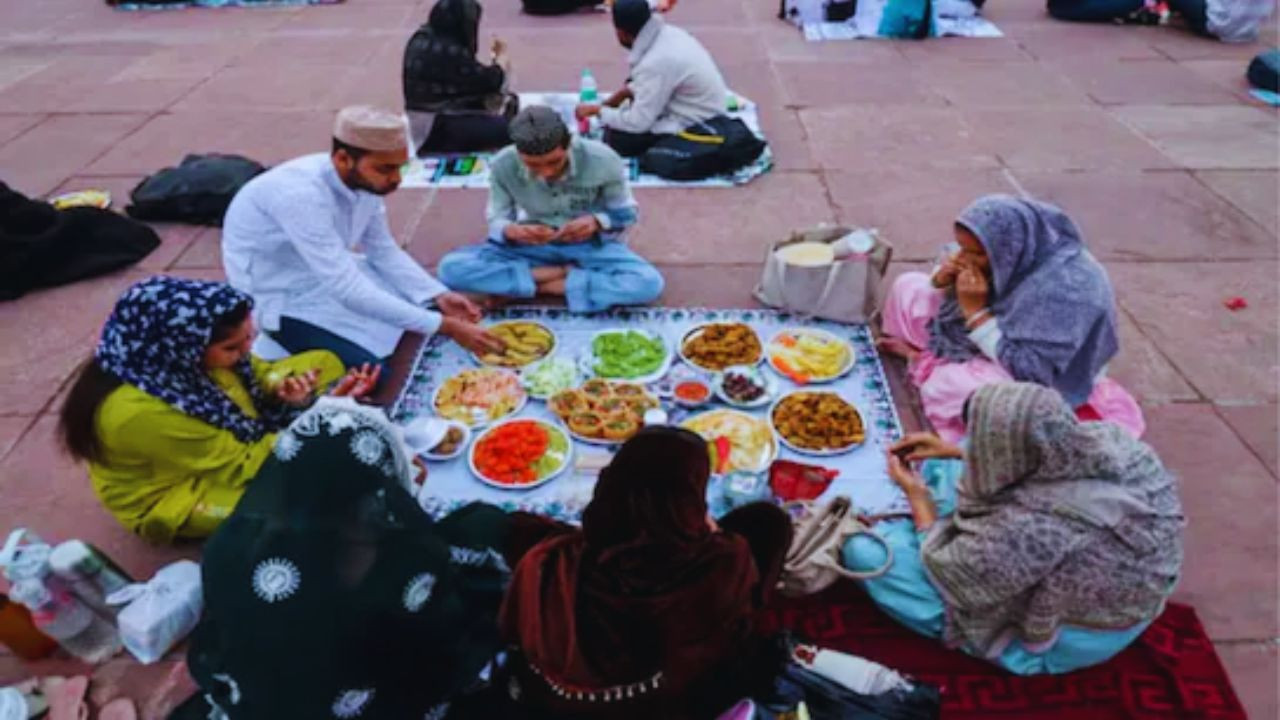
Ramadan 2026: When is Iftar in Delhi, Lucknow, Hyderabad on March 2? Know the exact timing of Iftar from city to city

The holy month of Ramadan 2026 started in India on February 19 after the sighting of the moon, with which lakhs of Muslims fasted, this special period of worship started. This month of fasting, one of the five pillars of Islam, provides an opportunity to get closer to Allah through devotion, restraint and charity.
In some Gulf countries like Saudi Arabia, Ramadan started a day earlier i.e. from 18th February. Since the announcement of the sighting of the moon in India, Muslims have been observing the timings of Sehri and Iftar, which mark the beginning and end of the fast.
Why is Sehri and Iftar important?
During Ramadan, Muslims fast from dawn to dusk, focusing on spirituality, prayer and good deeds along with abstinence from food and water. Sehri is a pre-dawn meal taken before Fajr prayers, which signals the beginning of the fast. Iftar is the meal to break the fast at sunset after Maghrib Azaan, which ends the fast of the whole day. Both these times are the backbone of fasting and are strictly followed.
Why is there difference in Sehri-Iftar time?
Ramadan lasts for the whole month and due to changes in the length of the day, the timings of Sehri and Iftar keep changing daily. Due to different times of sunrise and sunset in different cities, these times vary according to location. For example, Sehri time in Kolkata is much earlier than Delhi, while Iftar time is relatively late in Mumbai.
Sehri and Iftar timings in major cities on March 2
Sehri and Iftar timings in various major cities on Monday, March 2 are as follows:-
New Delhi: Sehri at 5:27 am Iftar at 6:21 pm
Hyderabad: Sehri at 5:22 am Iftar at 6:23 pm
Mumbai: Sehri at 5:44 am Iftar at 6:46 pm
Bengaluru: Sehri at 5:24 am Iftar at 6:28 pm
Lucknow: Sehri at 5:12 am, Iftar at 6:07 pm
Chennai: Sehri at 5:14 am Iftar at 6:18 pm
Kolkata: Sehri at 04:43 am Iftar at 5:40 pm
These times may vary slightly according to local mosques or the reliable Islamic calendar, so keep an eye out for local announcements.
Ramadan is the fourth pillar of Islam, which teaches self-control, gratitude and compassion towards others through fasting. This month, Muslims not only endure hunger and thirst, but also purify their souls by worshiping Allah and doing good deeds.

Comments are closed.