
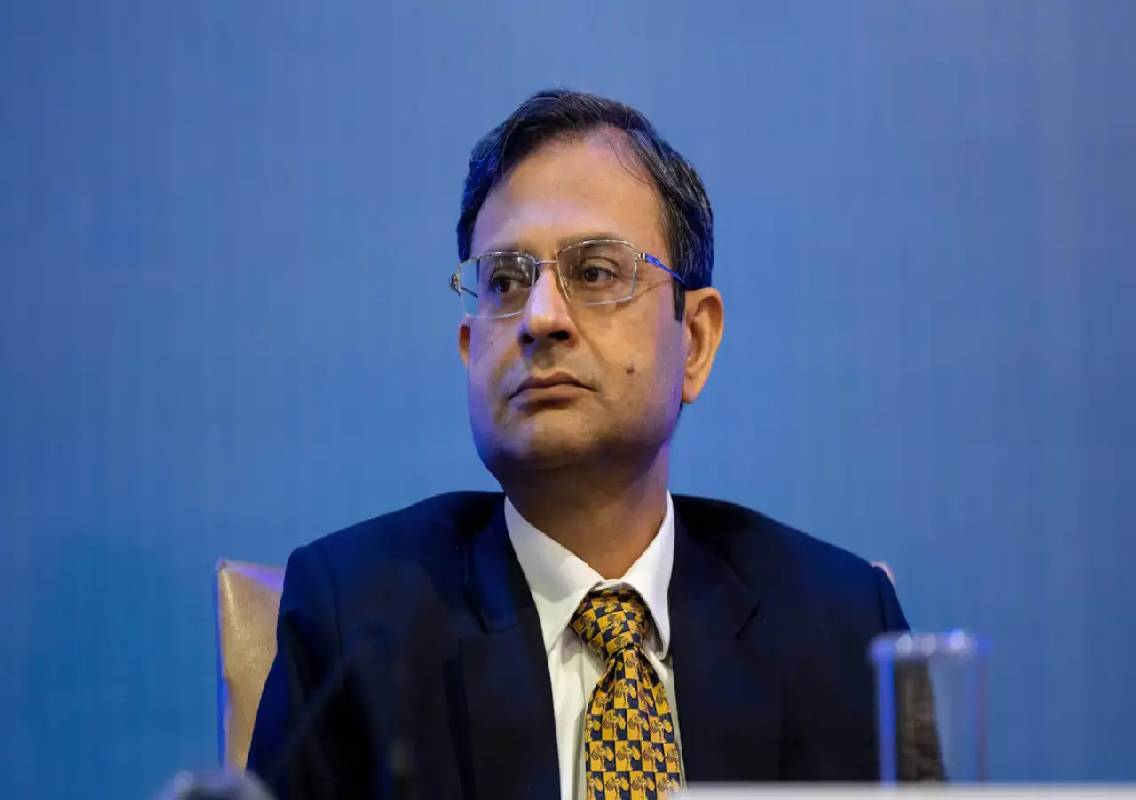

New Delhi: Reserve Bank of India (RBI) Governor Sanjay Malhotra has identified escalating tensions in the Middle East and the possibility of a weaker-than-expected monsoon as the two biggest risks to inflation in India, cautioning that policymakers must remain vigilant as price pressures continue to build.
Speaking to Doordarshan on Friday, Malhotra said inflation remains a concern despite India’s strong macroeconomic fundamentals. He noted that the recent increase in consumer prices has largely been driven by supply-side disruptions rather than excessive demand, prompting the central bank to maintain a cautious approach to monetary policy.
His remarks come after official data showed that India’s retail inflation rose above the RBI’s medium-term target of 4 per cent for the first time in nearly 17 months, renewing concerns over rising household expenses.
RBI continues with ‘wait and watch’ strategy
The RBI has maintained the repo rate at 5.25 per cent throughout 2026, choosing to closely monitor inflation and economic growth before making any changes to interest rates.
Governor Malhotra reiterated that it remains too early to consider tightening monetary policy.
He said the central bank is adopting a “wait and watch” approach while assessing evolving domestic and global economic conditions.
The RBI’s six-member Monetary Policy Committee (MPC) is scheduled to meet between August 3 and August 5, when it will review the latest inflation and growth data before deciding the future course of monetary policy.
Middle East tensions could push up fuel prices
One of the biggest concerns highlighted by the RBI Governor is the ongoing geopolitical uncertainty in the Middle East.
Renewed tensions involving the United States and Iran have increased concerns over shipping through the Strait of Hormuz, one of the world’s most important energy transit routes.
The narrow waterway carries approximately 20 per cent of global crude oil shipments, making any disruption a significant risk for international oil prices.
Higher crude oil prices can quickly feed into India’s economy through increased fuel costs, transportation expenses and higher production costs across multiple industries.
Since India imports nearly 90 per cent of its crude oil requirements, fluctuations in international oil prices have a direct impact on domestic inflation.
Before tensions escalated earlier this year, nearly half of India’s crude oil imports typically passed through the Strait of Hormuz.
Any prolonged disruption in the region could therefore increase import costs and put upward pressure on petrol, diesel, LPG and other fuel prices, affecting households and businesses alike.
Weak monsoon poses food inflation risk
Apart from global developments, the RBI Governor also pointed to the monsoon as another key factor influencing inflation.
A below-normal or uneven monsoon could reduce agricultural output, affecting the supply of essential food items.
Lower crop production may lead to higher prices for vegetables, cereals, pulses and other food products, which account for a significant share of India’s retail inflation basket.
Food inflation has historically remained one of the largest contributors to fluctuations in consumer prices in India, particularly during years of poor rainfall.
The progress of this year’s southwest monsoon will therefore remain a closely monitored indicator for policymakers in the coming months.
Inflation remains above RBI target
Official data released earlier this week showed that retail inflation has crossed the RBI’s medium-term target of 4 per cent after remaining below that level for nearly one and a half years.
Although inflation remains within the central bank’s broader tolerance band of 2–6 per cent, the increase has prompted renewed attention from economists and financial markets.
Higher food prices, fuel costs and supply chain disruptions continue to influence overall inflation trends.
The RBI has consistently stated that maintaining price stability remains its primary objective while ensuring adequate support for economic growth.
India’s economy remains resilient
Despite the emerging inflationary risks, Malhotra expressed confidence in the country’s overall economic outlook.
He said India’s macroeconomic fundamentals remain strong, with stable growth supported by robust domestic demand and continued investment activity.
The Governor noted that the economy has remained resilient despite global geopolitical uncertainties and volatile commodity markets.
However, he emphasised that policymakers must continue monitoring incoming economic data before making any adjustments to interest rates.
What households should watch
For consumers, the RBI Governor’s comments suggest that two factors are likely to influence household budgets in the coming months:
- Fuel prices, if crude oil continues to rise due to geopolitical tensions.
- Food prices, if monsoon performance affects agricultural production.
Both factors could increase the cost of daily essentials, transportation and household expenses if inflationary pressures persist.
Conclusion
RBI Governor Sanjay Malhotra’s latest remarks underscore the challenges facing India’s inflation outlook despite the country’s strong economic fundamentals. With Middle East tensions threatening higher crude oil prices and the monsoon remaining uncertain, the central bank has chosen to maintain a cautious “wait and watch” approach. The upcoming Monetary Policy Committee meeting in early August is expected to provide further clarity on how the RBI plans to balance inflation control with supporting economic growth.

Comments are closed.