
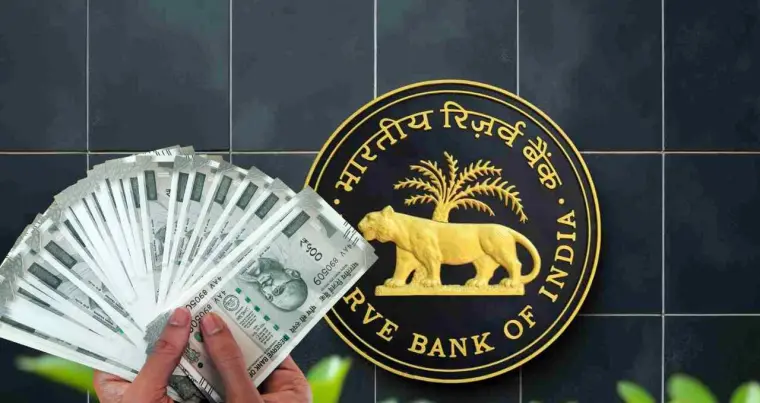

RBI has introduced a new rule to prevent fraud in digital banking. Under this rule, which will come into effect from July 1, 2026, banks will compensate up to 85% of the customer’s loss. This will be applicable on UPI, cards and internet banking.
RBI Update: Today, banking has become very easy in the digital world. Transactions through UPI, internet banking, mobile apps and cards are done in seconds. But along with this, cases of digital fraud are also increasing rapidly. Many times, money is withdrawn from people’s accounts through phishing links, fake apps or OTP theft. In such a situation, customers have to struggle a long time to get their money back. Keeping this problem in mind, the Reserve Bank of India (RBI) has proposed new draft rules.
When will the new rules come into effect and who will they affect?
This new rule of RBI may come into effect from July 1, 2026. Its purpose is to increase the security of customers and to fix the responsibility of the bank in cases of digital fraud. However, this rule will apply only to commercial banks. At present, it will not be applicable to small finance banks or payment banks. In the old rules, there was more responsibility on the customer, but in the new rules, banks and RBI will together take more responsibility, so that the common people have to suffer less loss in cases of fraud.
Digital fraud complaints will now be resolved faster
Under the new rules, the bank will have to take swift action if it receives a complaint of digital fraud. Under the old rules, it took time to resolve complaints, but now the process will be speeded up. This rule will be applicable to UPI payment, internet banking, transfer through mobile app, debit-credit card and ATM transactions. This means that most of the banking activities taking place digitally will come under the purview of the new rules.
Special compensation scheme for small frauds
RBI has proposed a scheme to provide compensation up to 85% for small amount frauds. This scheme will be applicable to those fraud cases where the loss is less than Rs 50,000. The maximum limit of compensation has been fixed at Rs 25,000. In this, RBI will cover up to 65% of the money, while the customer’s bank and the beneficiary bank will share the remaining 20%. For example, if a customer’s money of Rs 20,000 is defrauded, he can get back Rs 17,000.
Method and time limit for filing complaint
To get compensation, the customer will have to report the fraud within 5 days. The complaint can be lodged on the National Cyber Crime Reporting Portal or helpline 1930. Apart from this, it is mandatory to inform the bank also. If the report is late or the customer is proven to be at fault, there may be difficulty in getting compensation. This rule will be applicable to transactions taking place from July 1, 2026.
Why are new rules necessary
With the increase in digital transactions, the methods of cyber frauds are also changing. Under the old rules, customers were more responsible and often had to accept defeat in fraud cases. Under the new rules, banks will have to install strong fraud detection systems, so that alerts can be received before suspicious transactions take place and losses can be prevented. According to RBI data, about 65% of frauds are related to small amounts, hence special attention has been paid to them.
How can customers avoid losses
This new rule of RBI will help in protecting customers from losses caused by fraud. Under this, the customer will only have to file the complaint on time and cooperate with the bank. It is also important to follow caution and security measures while making digital payments. Such as not sharing OTP with anyone, maintaining distance from fake links or apps and using the official app or website of the bank.

Comments are closed.