
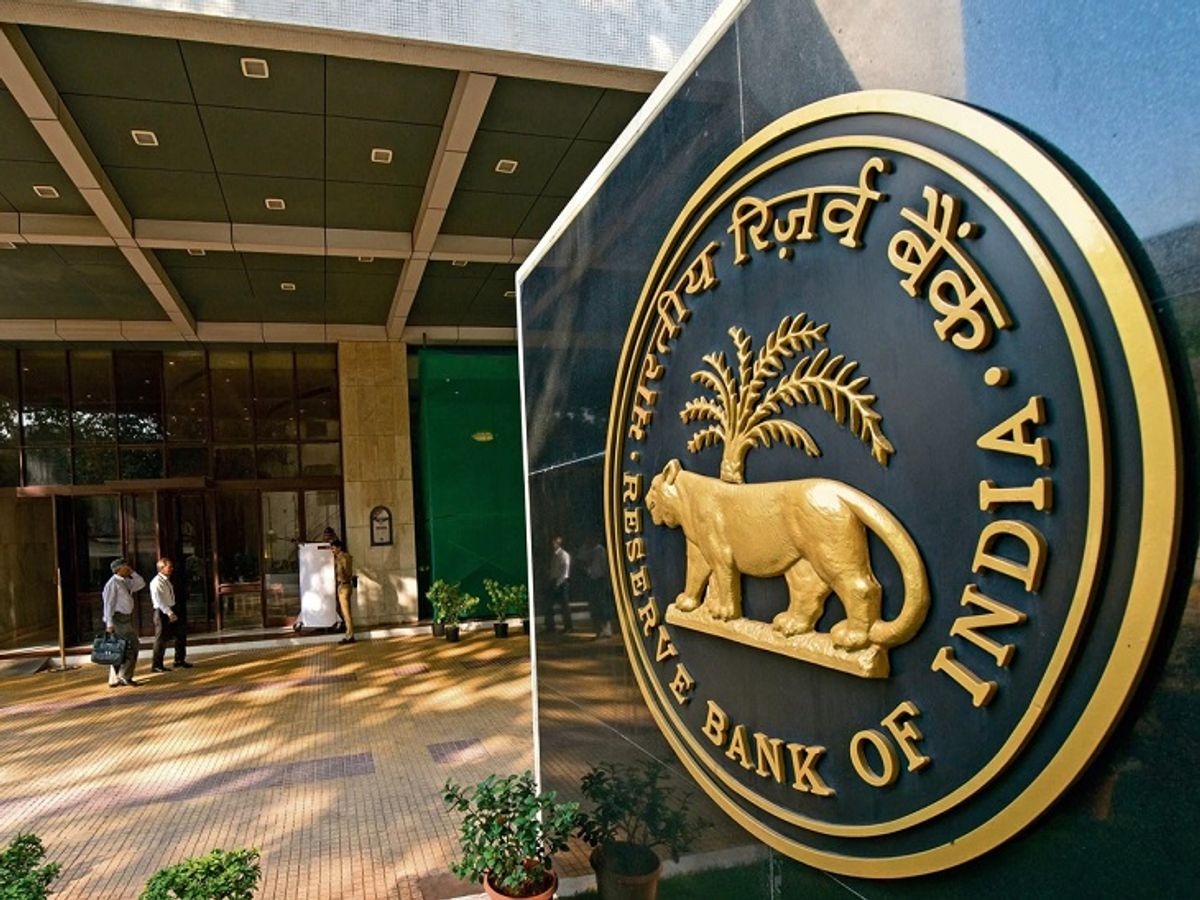
RBI Policy 2026: New game plan for investing in debt funds, where to invest money amid changing interest rates?

News India Live, Digital Desk: The monetary policy of February 2026 of the Reserve Bank of India (RBI) and the current economic scenario have put the investment strategy in Debt Funds at a new juncture. While on one hand interest rates remain stable, on the other hand there are expectations of possible future rate cuts in the market. In the monetary policy review of February 2026, RBI has kept the repo rate stable at 5.25% and has maintained its stance ‘Neutral’. This stability is a clear signal to investors that interest rates have reached their peak.1. New Investment Strategy: In the changed environment, experts have advised investors to invest in these categories depending on their goals: Long Duration and Gilt Funds (for 3+ years): Since the interest rates are now likely to come down, Long Duration Funds and Gilt Funds can give the most benefits. The NAV of these funds increases rapidly when interest rates fall. Short Term Debt Funds (for 1-3 years): If you do not want to take risk and want stability for medium term, then Short-Term Debt Funds or PSU/Corporate Bond Funds are better. Here you get the benefit of ‘Accrual’ income. Dynamic Bond Funds: For investors who are unable to decide when the rates will fall, ‘Dynamic Bond Fund’ is the best option for them. Here the fund manager himself changes the duration of the portfolio according to the market movements.2. Impact of Taxation – 2026 Rules It is now mandatory to keep tax in mind while investing in debt funds: Slab Rate Tax: The entire income earned on debt funds purchased after April 1, 2023 is now taxable as per your income slab. The benefit of indexation is no longer available in this. Strategy: Be sure to compare the post-tax returns with fixed deposits (FD). However, debt funds still offer more liquidity than FDs.3. Risk ManagementAvoid credit risk: Given the current global uncertainties, prefer funds with only high-rated corporate bonds (AAA or AA+) or government securities (G-Secs). Bond Laddering: Divide your investments among bonds of different maturities (e.g. some 1 year, some 3 years, some 5 years). This reduces the effect of fluctuations in interest rates.4. Economic Snapshot of 2026IndicatorsCurrent Situation (Feb 2026)Repo Rate5.25%Inflation (CPI)~2.1% (estimated)GDP Growth Rate7.4% (estimated)Market TrendStable/Neutral (Stability)

Comments are closed.