
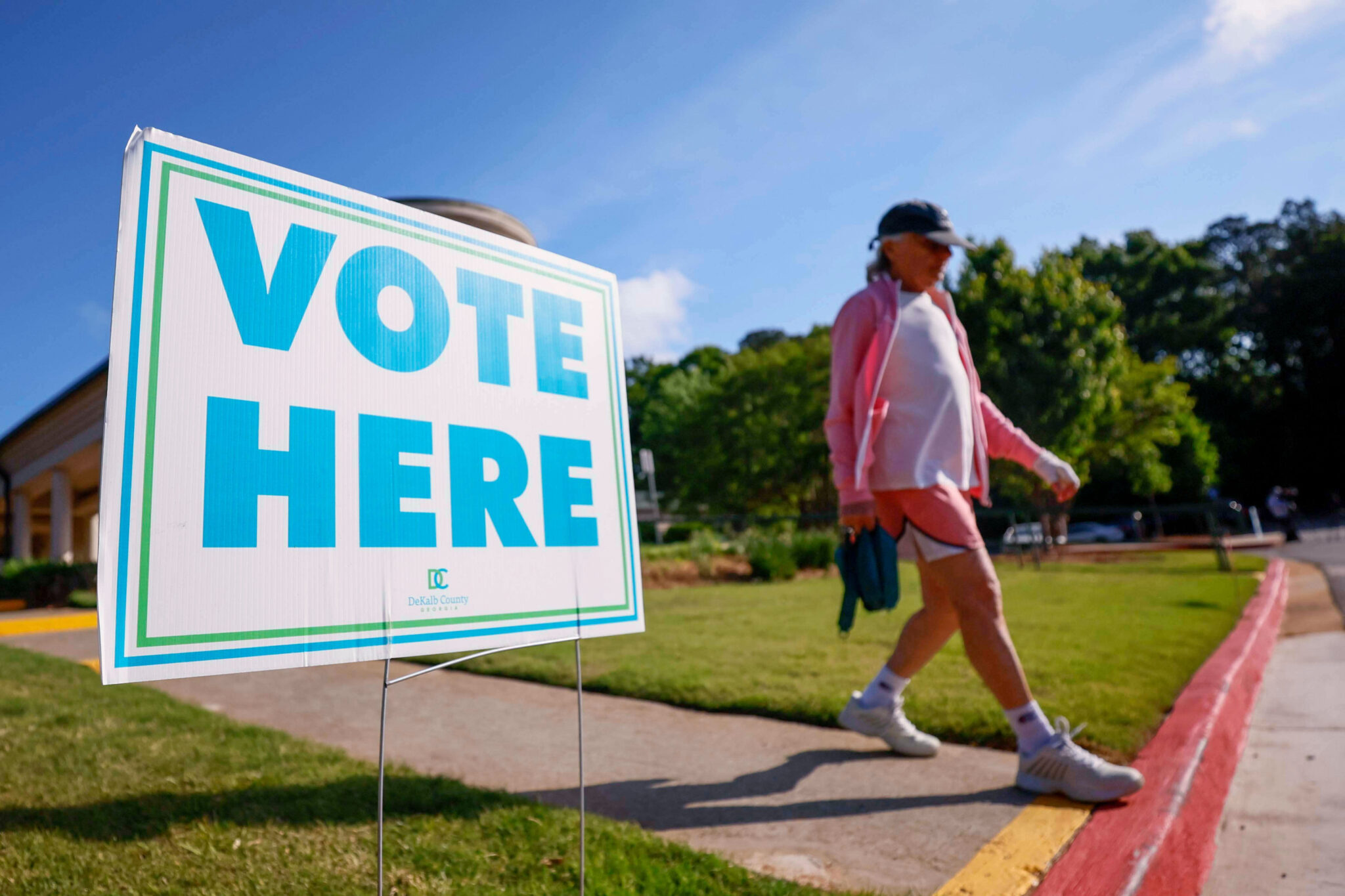

Redistricting Battle Intensifies After Supreme Court Voting Ruling/ TezzBuzz/ WASHINGTON/ J. Mansour/ Morning Edition/ A Supreme Court ruling is fueling redistricting battles across the U.S. States are rushing to redraw congressional maps before elections. The decision weakens key protections under the Voting Rights Act.
Redistricting Voting Rights Act Quick Looks
- Supreme Court ruling weakens Voting Rights Act protections
- States move quickly to redraw congressional districts
- Special legislative sessions called in multiple states
- Legal battles erupt over election timing and fairness
- Both parties engage in aggressive redistricting strategies
- Changes could impact control of Congress
Supreme Court Ruling Reshapes Redistricting Landscape
A recent Supreme Court decision has intensified political battles over congressional district maps across the United States. The ruling, which struck down a majority-Black district in Louisiana, has given Republican leaders in several states new legal grounds to pursue redistricting ahead of upcoming elections.
The decision weakens a key provision of the Voting Rights Act, long used to protect minority voting power. As a result, states are now reevaluating their district maps, with potential consequences for representation and electoral outcomes nationwide.
States Move Quickly to Redraw Maps
In response to the ruling, several states have launched rapid efforts to adjust their congressional districts.
Alabama Gov. Kay Ivey has called a special legislative session, aiming to revise the state’s U.S. House map before the midterm elections. Similarly, Tennessee Gov. Bill Lee announced plans for lawmakers to reconsider district boundaries, including a Democratic-leaning district centered in Memphis.
These moves reflect a broader trend of states attempting to capitalize on the court’s decision while navigating tight election timelines.
Louisiana at Center of Legal Fight
Louisiana remains at the heart of the dispute. State officials have already postponed congressional primaries to allow time for redistricting, triggering multiple lawsuits.
Legal challenges argue that suspending the election disrupts voting rights and creates confusion for voters who have already submitted absentee ballots.
Despite these concerns, courts have so far allowed the delay, giving lawmakers a window to redraw district lines before setting a new election date.
Florida and Other States Push Aggressive Changes
Florida lawmakers acted swiftly, approving new congressional districts shortly after the Supreme Court ruling. The changes are expected to benefit Republicans by potentially increasing their number of seats in Congress.
Gov. Ron DeSantis defended the move, arguing that previous district lines were drawn to comply with federal requirements that may now be unconstitutional.
However, the changes could face legal challenges due to a state constitutional amendment that protects minority voting rights.
Political Pressure Mounts Nationwide
President Donald Trump has played an active role in encouraging redistricting efforts. He has urged Republican-led states to redraw maps in ways that could improve the party’s chances in the House of Representatives.
Democrats have responded with similar tactics in states they control, leading to an escalating nationwide contest over district boundaries.
This back-and-forth highlights how redistricting has become a central battleground in American politics.
Legal Uncertainty Clouds Election Timeline
The rapid push to redraw districts has created uncertainty about election schedules in several states.
In Alabama, officials have asked the Supreme Court to act quickly on pending cases that could determine which maps are used. Meanwhile, Tennessee faces questions about whether courts will allow last-minute changes so close to elections.
Georgia officials have indicated that it is too late to make changes for the current election cycle but expect to revise maps before the next round of elections.
Concerns Over Democracy and Representation
Critics warn that the rush to redraw districts could undermine democratic principles and dilute minority voting power.
“We cannot keep doing things like this and calling ourselves a democracy,” Democratic State Sen. Ramesh Akbari said.
Supporters of the changes argue that states are simply adjusting their maps in response to updated legal guidance and constitutional considerations.
Broader Implications for U.S. Elections
The Supreme Court’s decision could have lasting effects on how congressional districts are drawn and contested.
As more states consider changes, the balance of power in Congress may shift, particularly in closely contested districts.
The outcome of these redistricting efforts will likely shape the political landscape for years to come, influencing not only election results but also public trust in the electoral process.
More on US News
Comments are closed.