
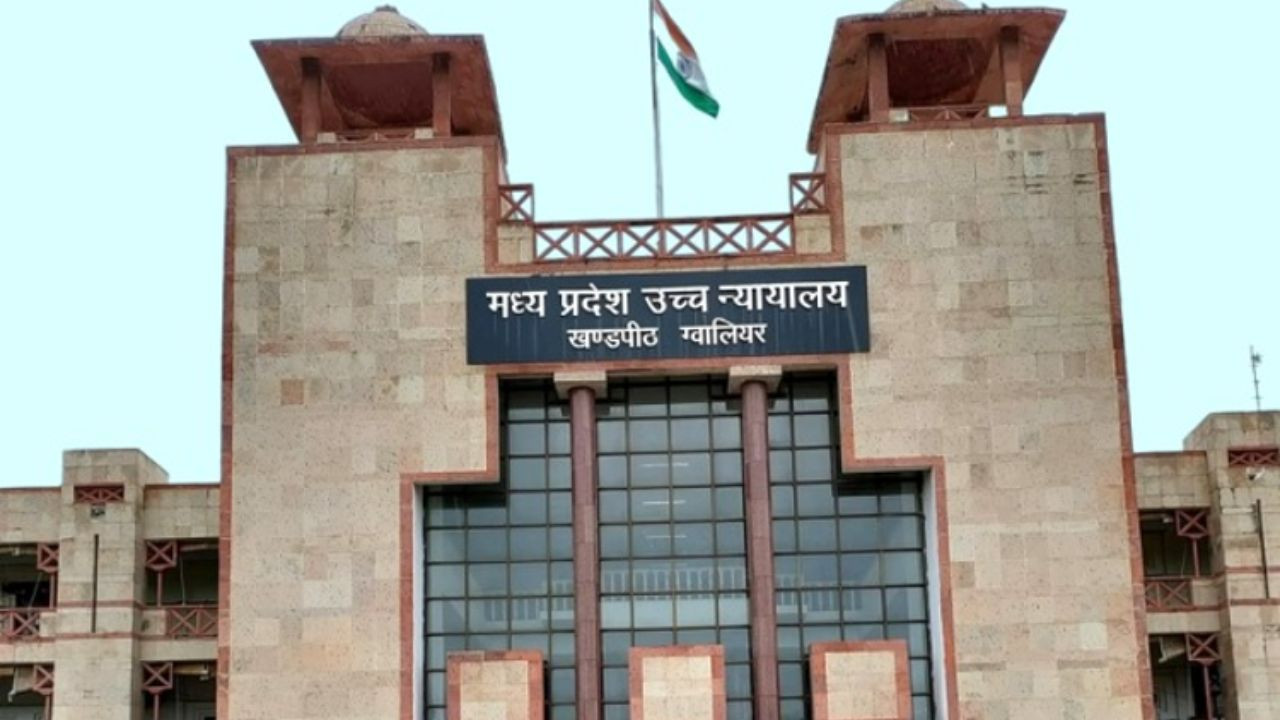

The Gwalior bench of the Madhya Pradesh High Court has quashed the charges of ‘unnatural sex’ (section 377 IPC) against a married man from Bhind district. This case was related to the complaint lodged by his wife. The court clarified that under the present legal system, such allegations made within a valid marriage cannot be prosecuted under Section 377.
What did Justice Milind Ramesh Phadke say?
Justice Milind Ramesh Phadke, while hearing the petition to quash the FIR and charges, said that even if the allegations of forced ‘unnatural acts’ made by the wife are accepted as prima facie true, they still fall within the scope of husband-wife relationship. In such a situation, it cannot be considered a crime under Section 377 of the Indian Penal Code.
The court also mentioned in its decision that after the amendment in the law in 2013, the definition of Section 375 (rape) has been broadened, which also includes oral and anal relations. Despite this, there is still an exception in the law, according to which sexual relations between a husband and his wife are not categorized as rape.
Keeping this legal situation in mind, the court said that such acts between husband and wife cannot be brought under Section 377. Therefore, the charges leveled against the accused husband under this section were dismissed.
Refusal to intervene regarding allegations
However, the court refused to interfere in the case regarding other allegations. Allegations like dowry harassment, assault and criminal intimidation have been considered triable on the basis of evidence on record and these will continue to be heard during the trial.
This decision has come at a time when the use of Section 377 in matrimonial disputes is being seen increasing in the Gwalior-Chambal region. According to officials, in many cases this section is included along with allegations of dowry and cruelty to increase legal pressure. However, the courts have been continuously clarifying the extent of applicability of this section to matrimonial matters.

Comments are closed.