
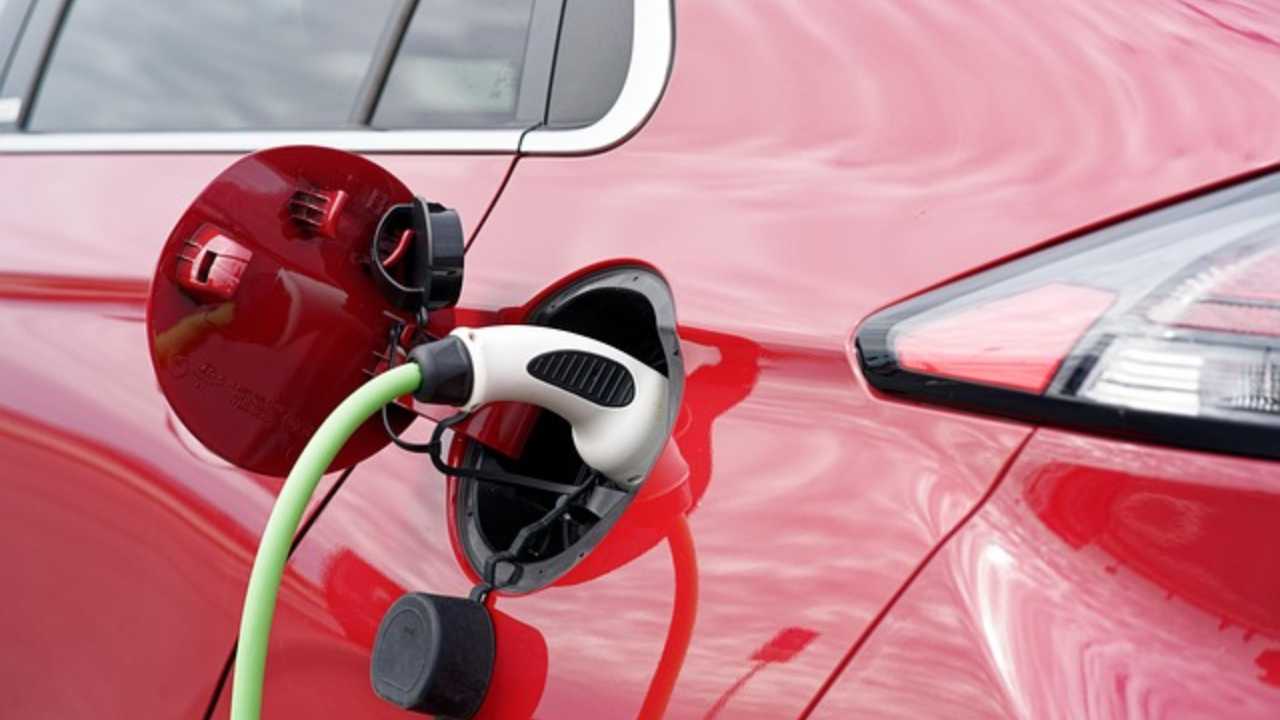
EV users should pay attention, having to charge 100% repeatedly can be costly, save thousands of losses in this way

Electric Vehicle Battery Life Tips: Nowadays, advanced battery management system (BMS) is provided in electric vehicles, which monitors the voltage, temperature and charging pattern of the battery. Tesla, MG Motor and Tata Motors Companies like also advise that for daily use it is better to keep the battery charged between 80% to 90%. Although BMS protects the battery, keeping it 100% charged for a long time can prove to be harmful for the battery.
What happens when you fully charge?
- More stress on battery:
Lithium-ion batteries remain at high voltage at 100% charge, which increases the chemical stress inside them and gradually reduces the battery capacity.
- Heat Generation:
The battery gets hotter in the last 10-15% of charging. Doing this repeatedly can increase long-term damage.
- Effect on charge cycles:
Every battery has a limited life. Repeatedly charging from 0 to 100% can reduce this life rapidly.
Benefits of keeping charge up to 80%
- Long Battery Life:
If you keep the battery between 20% to 80%, its lifespan can increase by 20-30%.
- Advantage of fast charging:
The charging speed remains fast up to 80%, while after that the system itself reduces the speed.
- Better Performance:
Keeping the battery in the optimal range reduces degradation and keeps the vehicle’s performance stable for a longer period of time.
Also understand the risk of thermal runaway
Even though modern BMS control overcharging, keeping it at 100% charge for extended periods of time can increase the theoretical risk of thermal runaway. This means that the temperature of the battery can become uncontrolled and cause harm.
Also read: Tata Sierra becomes the safest SUV, creates buzz with 5-star rating
Daily vs. Long Range: When to Full Charge?
Often people think that keeping a low charge can drain the battery midway. In such a situation, the advice of experts is clear:
- Set 80% limit for daily city driving
- Charge 100% only when going on long highway trips
- With this you will be able to save the health of the battery and will also get full range when needed.
Does this rule apply to every EV?
This rule is not completely the same in every electric vehicle. Many companies keep a buffer in the battery even after showing 100%, which reduces the risk of overcharging. Nevertheless, continuous full charging can cause the battery health indicator (SOH) to drop rapidly. Additionally, frequent use of DC fast charging also increases battery degradation.

Comments are closed.