
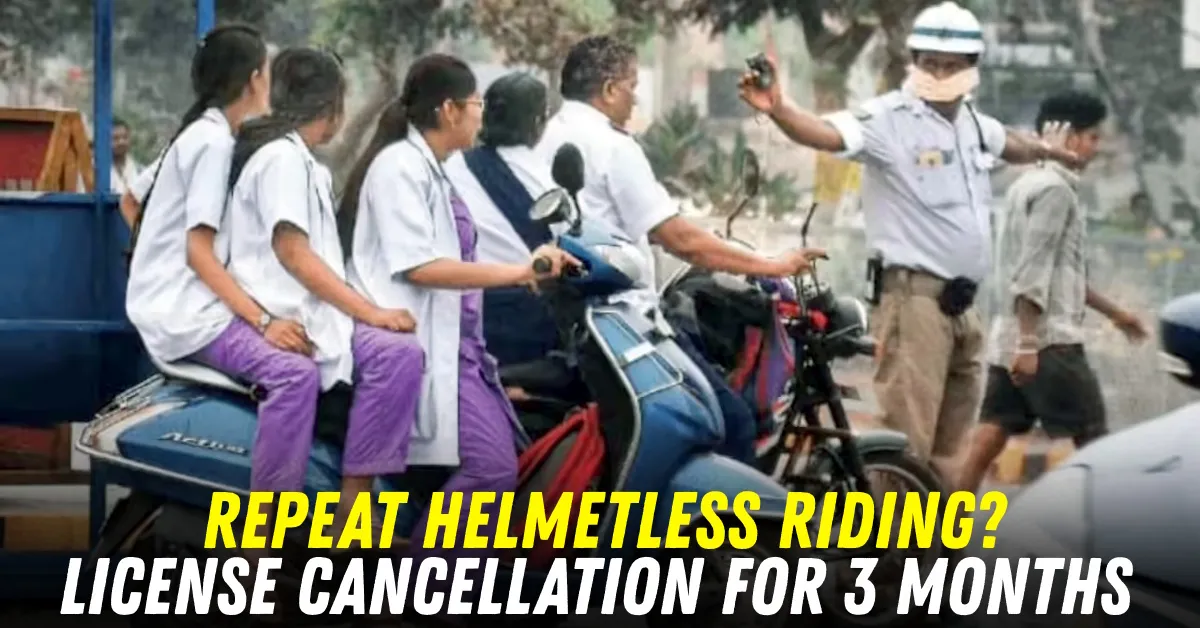

Hyderabad traffic police have started enforcing a stricter penalty structure for helmet violations, and the second offence now results in a three-month driving licence suspension in addition to a Rs 1,000 fine. The change is not a new law. The Motor Vehicles Act already permits licence suspension for up to three months for helmet violations. What is new is that Hyderabad, Cyberabad, and Rachakonda jurisdictions are now actively applying it, backed by digital enforcement and a much harder push on repeat offenders.
The fine structure works in two stages. A first-time offence carries a Rs 100 penalty. A second offence on record triggers the Rs 1,000 fine and the 90-day suspension. That escalation matters because helmet violations are no longer a minor challan in a city where non-compliance has stayed high despite years of awareness drives. Police data cited earlier this year showed nearly 80 lakh helmet-related challans across Hyderabad, Cyberabad and Malkajgiri in 2025, up sharply from 60.38 lakh in 2024. That jump alone explains why authorities have moved beyond basic spot fines and toward penalties that directly affect a rider’s ability to legally use the vehicle.
The rule applies to both the rider and the pillion passenger. If a rider is wearing a helmet but the pillion is not, that still counts as a violation. The enforcement focus is also not limited to whether a helmet is merely present. Cyberabad Police Commissioner M. Ramesh said this week that nearly 30 percent of two-wheeler riders were not wearing helmets at all, and nearly half of those who were wearing them failed to fasten the strap properly. That is a crucial detail because an unfastened helmet offers far less protection in an actual crash. The current crackdown is therefore aimed not only at absolute non-use, but also at superficial compliance.
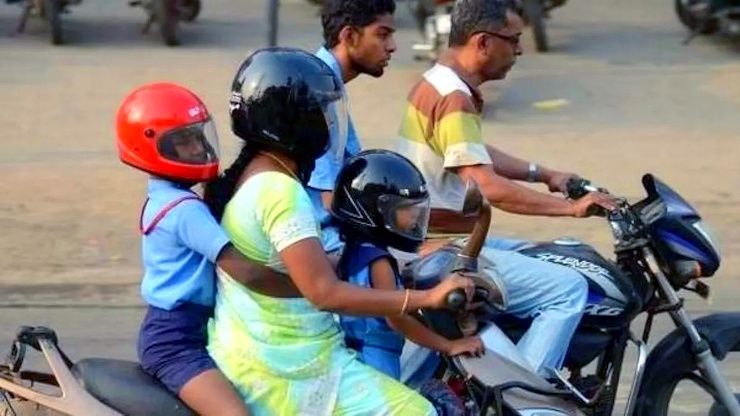
Only ISI-marked helmets certified by the Bureau of Indian Standards are considered legal. The specific exemptions under existing law, such as Sikh riders wearing turbans, continue to remain in place. But for everyone else, the practical message from enforcement agencies is simple: both rider and pillion need compliant helmets, and they need to be worn properly. Other cities have already begun using the same reading of the law. Visakhapatnam, for example, has also been enforcing helmet use for pillion riders, with repeat violations carrying the possibility of licence suspension for three months.
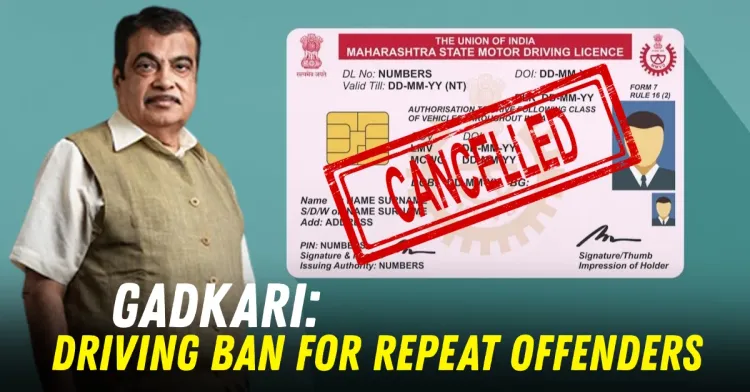
A licence suspension is not just a fine you pay and move on from. With a suspended licence, you cannot legally operate any motor vehicle for 90 days. That includes not only your two-wheeler but any other class of vehicle you are licensed to drive.
Under the Motor Vehicles Act, driving while disqualified is itself a separate offence and can attract imprisonment for up to three months or a fine that can extend to Rs 10,000, or both. That makes the second helmet offence far more disruptive than the challan amount alone suggests.
The logic behind the crackdown is rooted in repeated evidence that fines alone have not fixed rider behaviour. Hyderabad traffic officials have already said that helmet violations remain the single most common traffic offence in the city.
The latest push is therefore built around deterrence by inconvenience rather than deterrence by price. Losing the right to drive for a quarter of a year affects commuting, work travel and daily family use. In other words, the administration is trying to convert helmet compliance from an optional habit into a non-negotiable operating condition for riding in the city.
Comments are closed.