
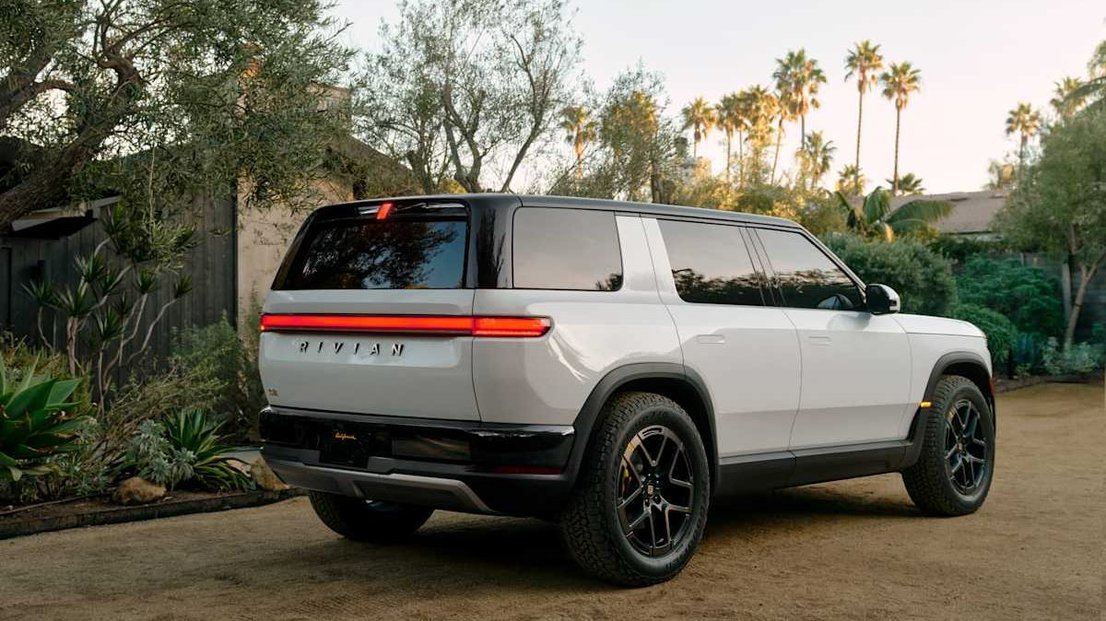

RJ Scaringethe founder and CEO of Rivianhas landed one of the largest executive pay packages in the automotive industry. According to a recent company filing, Scaringe earned a staggering $402.6 million last year—placing him among the highest-paid auto executives in the United States.
But this isn’t your typical cash-heavy paycheck. The bulk of the compensation comes from long-term incentives, including a massive $373.5 million stock option grant and $26.6 million in stock awards. His base salary stood at $1.12 million, accompanied by a $1.02 million bonus paid in restricted stock units.
Credits: EV Magazine
High Risk, Higher Rewards
What makes this package particularly interesting is its structure. Rivian has made it clear that this compensation is “entirely at-risk.” In simple terms, Scaringe only fully benefits if the company performs exceptionally well over time.
The revised pay plan was introduced after Rivian scrapped an earlier 2021 compensation package, which the board admitted had unrealistic performance targets. The new structure ties Scaringe’s earnings to ambitious goals, including stock price growth, improved operating income, and stronger cash flow.
If Rivian hits all its targets over the next decade, the package could balloon to an eye-watering $4.6 billion. That would translate into roughly $153 billion in added shareholder value—an outcome that would dramatically reshape Rivian’s standing in the EV market.
The approach mirrors compensation strategies seen in the tech and auto industries, most notably in performance-driven plans like those awarded to Elon Musk.
A Pay Gap That Stands Out
Scaringe’s compensation dwarfs that of his Detroit counterparts. Jim Farley of Ford Motor Company earned $27.5 million last year, while Mary Barra of General Motors took home $29.9 million.
The disparity becomes even more striking when compared to Rivian’s workforce. The filing revealed that Scaringe’s pay is approximately 4,458 times the median employee compensation across the company’s 13,624 workers.
Looking ahead, his base salary is set to double to $2 million in 2026, with a maximum bonus rising to $1.67 million. However, Rivian has indicated it does not plan to grant additional equity awards that year, reinforcing the idea that this current package is meant to carry long-term incentives.
Rivian’s Make-or-Break Moment
The timing of this compensation package is crucial. Rivian is navigating a challenging yet pivotal phase in its journey.
The company reported its first gross profit in 2025, driven largely by aggressive cost-cutting measures. At the same time, it has begun production of the R2—a more affordable SUV aimed at expanding its customer base beyond premium buyers.
Despite these positives, Rivian still faces significant hurdles. The company sold around 42,000 R1 trucks last year but reported a net loss of $3.6 billion. Its stock has also taken a beating, falling roughly 86% from its peak following the company’s 2021 IPO. Today, Rivian’s market value stands at about $21 billion.
External factors haven’t helped either. The broader U.S. electric vehicle market has cooled, particularly after policy shifts reduced incentives like the $7,500 tax credit for new EV purchases.
Strategic Deals Offer a Lifeline
Amid the challenges, Rivian has secured partnerships that could shape its future. In March, Uber agreed to invest up to $1.25 billion and purchase as many as 50,000 self-driving R2 vehicles by 2030.
Additionally, Rivian signed a $5.8 billion deal with Volkswagen Group focused on software and electrical architecture—an area increasingly critical in modern vehicles.
These deals signal growing confidence in Rivian’s technology and long-term potential, even as short-term financial pressures persist.
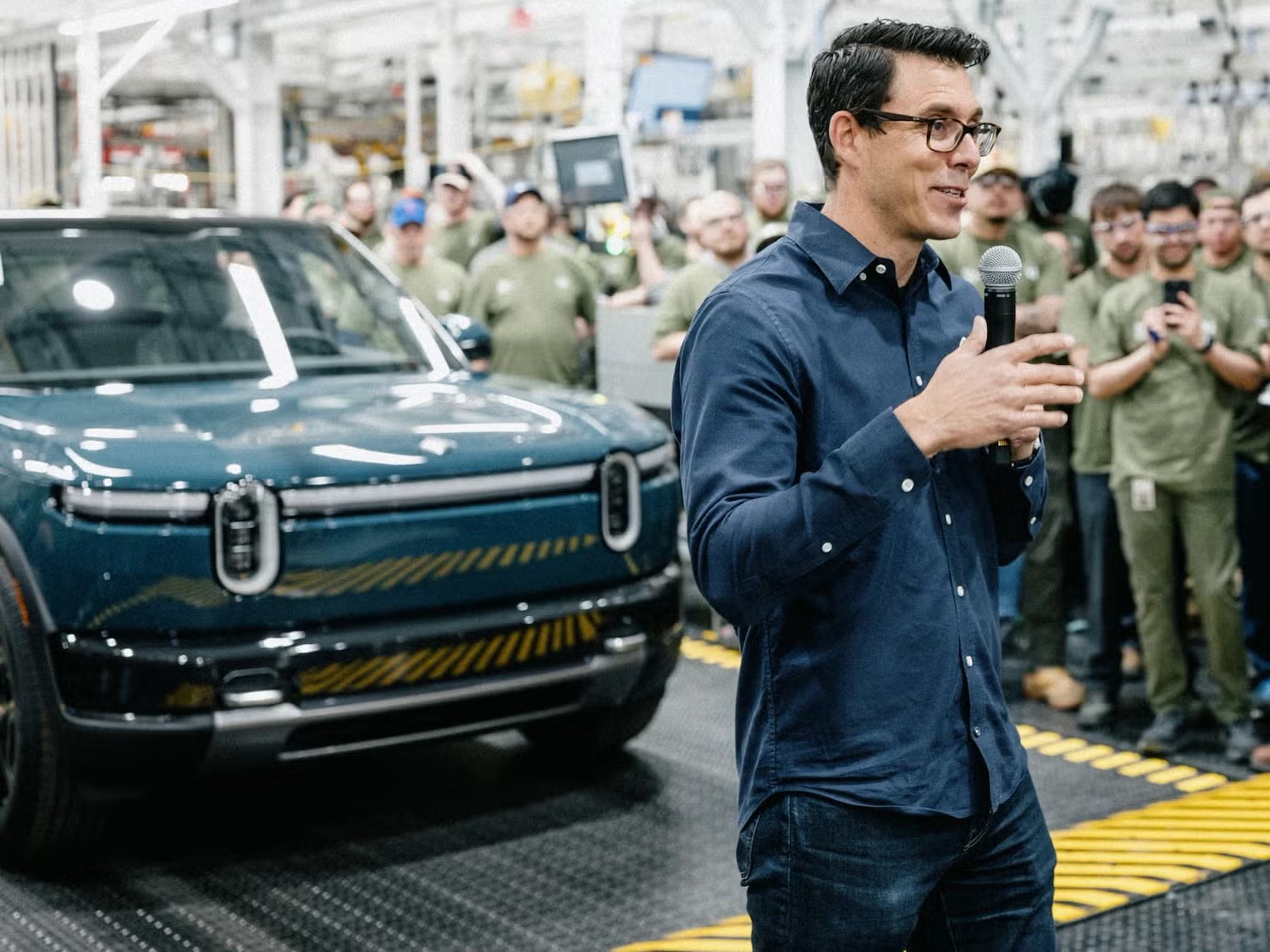
Credits: Autoblog
The Bigger Bet on Rivian’s Future
Scaringe’s compensation is more than just a headline-grabbing figure—it’s a reflection of Rivian’s broader strategy. By tying executive pay so closely to performance, the company is effectively placing a high-stakes bet on its ability to scale production, improve margins, and make the R2 a commercial success.
Founded in 2009 and taken public in 2021, Rivian is still in its early chapters compared to legacy automakers. The road ahead is uncertain, but the message from the board is clear: if Rivian wins, Scaringe wins big—and so do its shareholders.
Whether this bold compensation strategy proves visionary or excessive will ultimately depend on one thing: Rivian’s ability to deliver on its promises in an increasingly competitive EV landscape.

Comments are closed.