
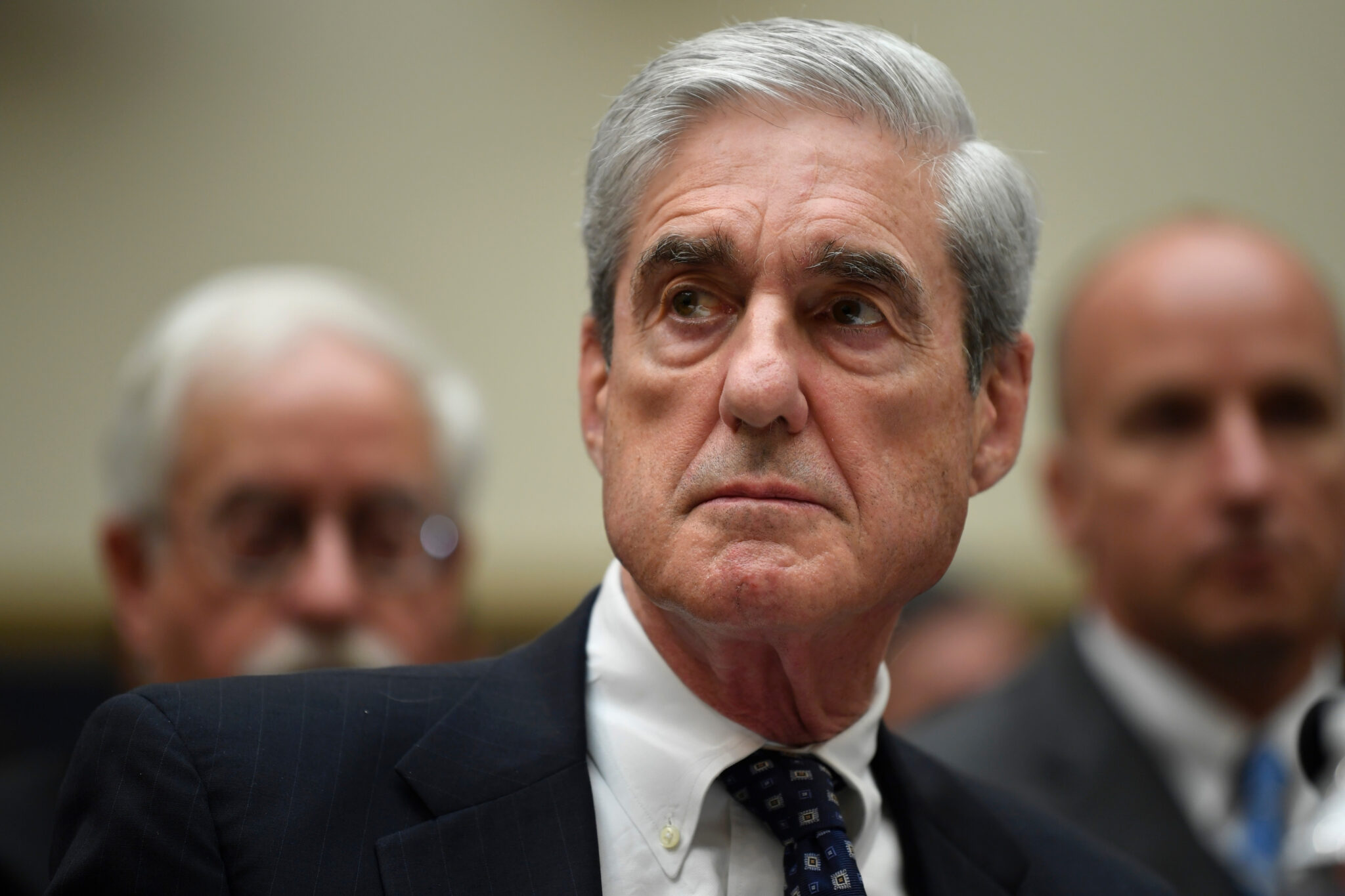
Robert Mueller, Former FBI Director Who Investigated Russia-Trump Campaign Ties, Dies At 81

Robert Mueller, Former FBI Director Who Investigated Russia-Trump Campaign Ties, Dies At 81/ TezzBuzz/ WASHINGTON/ J. Mansour/ Morning Edition/ Robert Mueller, former FBI director, dies at age 81. He led FBI through 9/11 and later led Trump-Russia probe. His career shaped modern U.S. counterterrorism and justice efforts.
Robert Mueller Obituary Quick Looks
- Former FBI Director Robert Mueller dies at 81
- Led FBI transformation after September 11 attacks
- Served as special counsel in Trump-Russia investigation
- Oversaw major terrorism and criminal investigations
- Known for apolitical leadership and disciplined approach
- Career spanned military service, law, and federal leadership
Deep Look: Robert Mueller, Former FBI Director Who Investigated Russia-Trump Campaign Ties, Dies At 81
Robert S. Mueller III, a pivotal figure in modern American law enforcement who guided the FBI through the aftermath of the September 11 attacks and later led the high-stakes investigation into ties between Russia and Donald Trump’s 2016 campaign, has died at the age of 81.
His family confirmed that he passed away Friday, describing his death as peaceful and requesting privacy.
Mueller’s legacy is deeply intertwined with some of the most consequential moments in recent U.S. history. Appointed FBI director by President George W. Bush in 2001, he began his tenure just days before the 9/11 terrorist attacks — an event that fundamentally reshaped the mission of the bureau and defined his leadership.
In the wake of the attacks, Mueller oversaw a sweeping transformation of the FBI. The agency shifted from its traditional focus on investigating crimes after they occurred to prioritizing the prevention of terrorism. This change required a massive reallocation of resources, with thousands of agents reassigned to national security roles and intelligence-gathering capabilities significantly expanded.
The shift brought new challenges. Mueller and the FBI faced intense scrutiny from Congress and the public as they navigated expanded surveillance authorities and evolving threats from extremist groups. There were operational missteps along the way, including controversial intelligence-gathering practices and costly technology initiatives that failed to deliver as intended.
Despite these difficulties, Mueller’s tenure is widely credited with modernizing the FBI into a more proactive national security agency. Under his leadership, the bureau disrupted numerous terror plots and pursued major criminal cases, reinforcing its dual role in both national security and traditional law enforcement.
Mueller’s reputation as a steady, apolitical leader was reinforced during a dramatic confrontation with the Bush administration over a warrantless surveillance program. Alongside then-Deputy Attorney General James Comey, Mueller resisted efforts to reauthorize the program without legal approval, a moment that underscored his commitment to institutional integrity.
After serving as FBI director for 12 years — the second-longest tenure in the bureau’s history — Mueller stepped down in 2013. His public service, however, was far from over.
In 2017, he returned to government as special counsel to investigate Russian interference in the 2016 presidential election and whether Trump’s campaign coordinated with Moscow. The investigation quickly became one of the most politically charged inquiries in modern U.S. history.
Mueller conducted the probe with a strict commitment to confidentiality, avoiding public commentary even as he faced frequent criticism from Trump and his allies. His final report, released in 2019, documented extensive contacts between Trump campaign associates and Russian individuals but did not establish a criminal conspiracy.
The report also examined whether Trump had obstructed justice. Mueller stopped short of making a prosecutorial determination, citing Justice Department policy against indicting a sitting president, but outlined evidence that raised serious questions about presidential conduct.
The findings left both critics and supporters of Trump dissatisfied, fueling ongoing political debate. Attorney General William Barr later concluded independently that there was insufficient evidence to charge the president with obstruction.
Mueller’s testimony before Congress that year was highly anticipated but ultimately subdued, as he delivered brief, restrained answers that contrasted with his formidable reputation.
Beyond his roles in Washington, Mueller’s career reflected a lifelong commitment to public service. Born in New York City and raised near Philadelphia, he attended Princeton University before earning a master’s degree from New York University.
He later served as a Marine officer during the Vietnam War, where he was awarded a Bronze Star, Purple Heart and other commendations for his service.
After returning home, Mueller pursued a legal career, rising through the ranks as a federal prosecutor in San Francisco and Boston. He later led the Justice Department’s criminal division, overseeing high-profile prosecutions, including cases against organized crime figures and international drug traffickers.
Known for his meticulous attention to detail, Mueller remained deeply engaged in investigations throughout his career, often surprising colleagues by involving himself in both major and routine cases.
His leadership style emphasized disciplineindependence and a strong adherence to the rule of law. Even in politically charged environments, he sought to maintain the FBI’s credibility as a nonpartisan institution.
Mueller’s later years were marked by reflection on the weight of his responsibilities, particularly in the realm of national security. He acknowledged the emotional toll of events like the Boston Marathon bombing and other attacks that occurred during his tenure, often expressing concern about whether more could have been done to prevent them.
He is survived by his family and leaves behind a legacy that spans military service, legal achievement and transformative leadership at one of the nation’s most powerful institutions.
Mueller’s impact on the FBI and the broader U.S. justice system continues to shape how the country approaches both terrorism and political accountability in the modern era.
More on US News

Comments are closed.