
Roza, Tauba, Zakat, Sawab…, what to do and what not to do in the holy month of Ramadan? understand

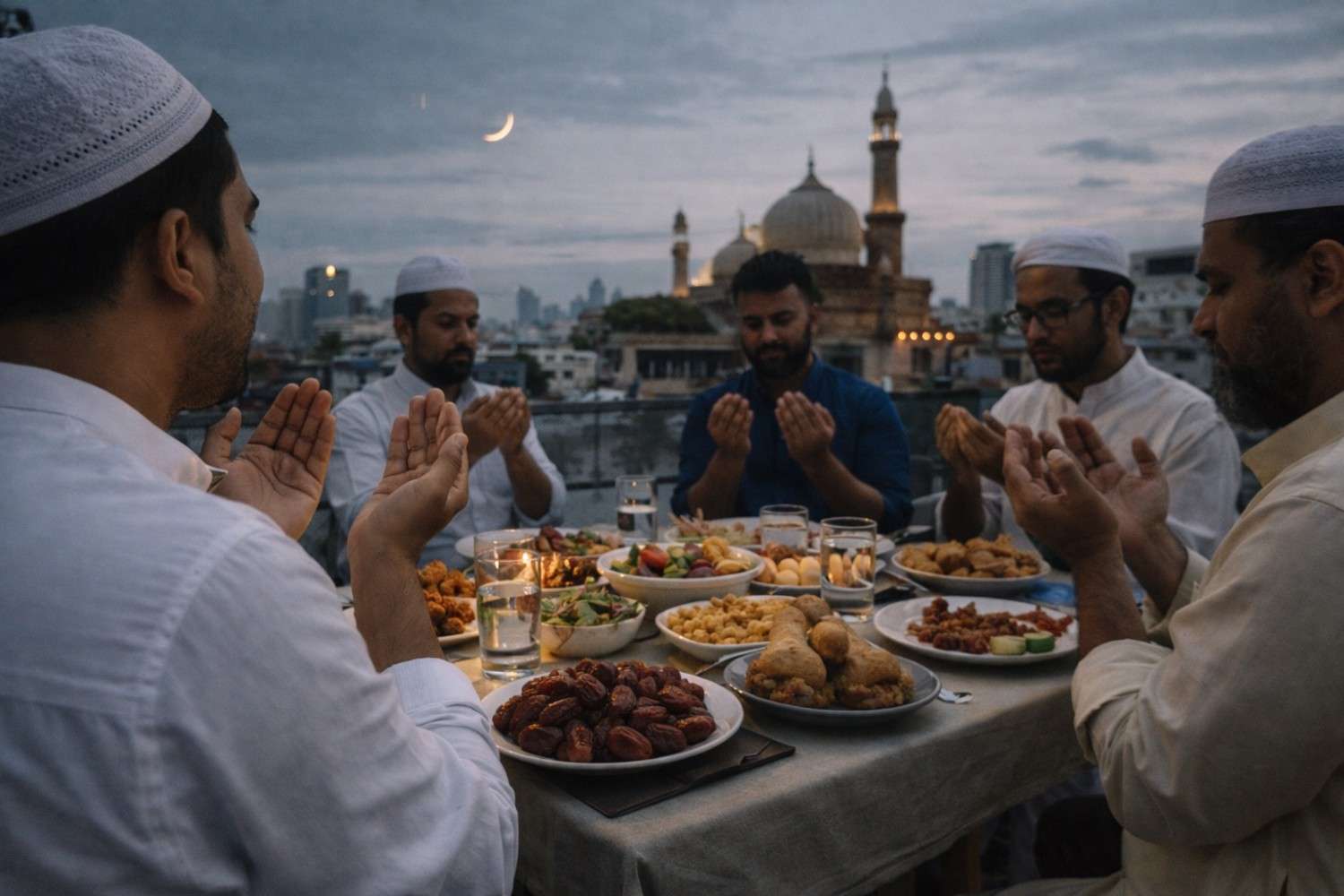
With the sighting of the moon, the holy month of Ramadan has started across the world. Ramadan, the ninth month of the Islamic calendar, is considered the holiest time for Muslims. This is not just a month of enduring hunger and thirst, but also of self-purification, patience, piety (Taqwa), repentance and walking on the path of humanity. By fasting from morning Sehri till evening Iftar, Muslims worship Allah and ask for forgiveness of their sins. There is a religious belief that in this month, Allah’s mercy is at its peak and the reward for good deeds is increased manifold.
This month teaches a person to think, improve himself and strengthen relationships. Fasting is not just about the stomach, but also about the intentions, vision and behavior. It is believed that the worship and good deeds done during Ramadan are increased manifold, hence during this time people pray as much as possible, read the Quran and pay attention to charity, so that they can get the mercy of Allah.
Who is exempted, when does the fast break?
During Ramadan, fasting is obligatory for every healthy and adult Muslim. However, in Islam, importance has been given to human health and compulsion. The sick, elderly, pregnant women, lactating mothers, menstruating women and people traveling are exempted from fasting. In such a situation, they can make up for the missed fasts later or pay Fidayah (charity given for not fasting in Ramadan) if needed.
Also read: There are five daily Namaz, what is the meaning of Fajr, Zuhr, Asr, Maghrib and Isha?
According to religious experts, fasting is not limited to just giving up food and drink. It is also the name of protection of eyes, ears and tongue. Lying, abusing, gossiping or hurting anyone is considered against the spirit of fasting. Islamic scholars state that intentionally eating or drinking something, vomiting on one’s own, or having sex breaks the fast. At the same time, if you eat something by mistake or vomit unknowingly, the fast does not break.
Humanity has been given the highest position in Islam. Scholars say that if it is necessary to donate blood to save someone’s life and one has to break the fast, then it is justified. Later that fast can be continued. The real message of Ramadan is that humans should understand the pain and suffering of others and help the needy.
Importance of repentance and Zakat in Ramadan
Taubah and Zakat have special importance in Ramadan. It is said in Surah Az-Zumar (39:53) of the Quran that do not be disappointed by the mercy of Allah, He is the one who forgives all sins. Whereas in Surah Al-Baqarah (2:110) there is an order to perform Namaz and pay Zakat. Zakat is one of the five pillars of Islam and is obligatory on financially capable Muslims. Its objective is to promote equality and brotherhood in the society. Zakat is usually given to the poor, orphans, widows and the needy. Apart from this, Sadaka is also given, which is a voluntary donation.
Also read: Does the month of Ramadan get extended if the moon is not visible?
Taraweeh namaz is a special event in mosques, in which the Quran is recited. Many people resolve to read the Quran completely in the entire month. Ramadan lasts for 29 or 30 days, which is determined by the sighting of the moon. The last 5 days are considered important, in which the night of Shabe-Qadr falls which is said to be better than a thousand months.
Take care of health in Ramadan
Balance is important in Ramadan from health point of view also. According to doctors, it is beneficial to start Iftar with dates and water, because it gives instant energy and balances the sugar level. Fried and oily food can cause stomach problems, gas and dehydration. It is considered better to take protein and fiber rich food like curd, egg, porridge, oats and pulses during Sehri so that energy is maintained throughout the day.
Also read: Khatu Shyam’s Lakkhi fair begins, from recognition to importance, read the answer to every question
Ramadan message
According to experts, Ramadan is training in self-discipline. It teaches humans to understand the plight of the poor through hunger, overcome anger and help the weaker sections of the society. Fasting develops patience and compassion within a person. Ramadan is not just a name of worship, but a month of social change. This is the time when a person resolves to improve himself, desist from sins and stand with the needy. According to religious scholars, for a person who understands the real spirit of Ramadan, this month can prove to be life-changing.

Comments are closed.