
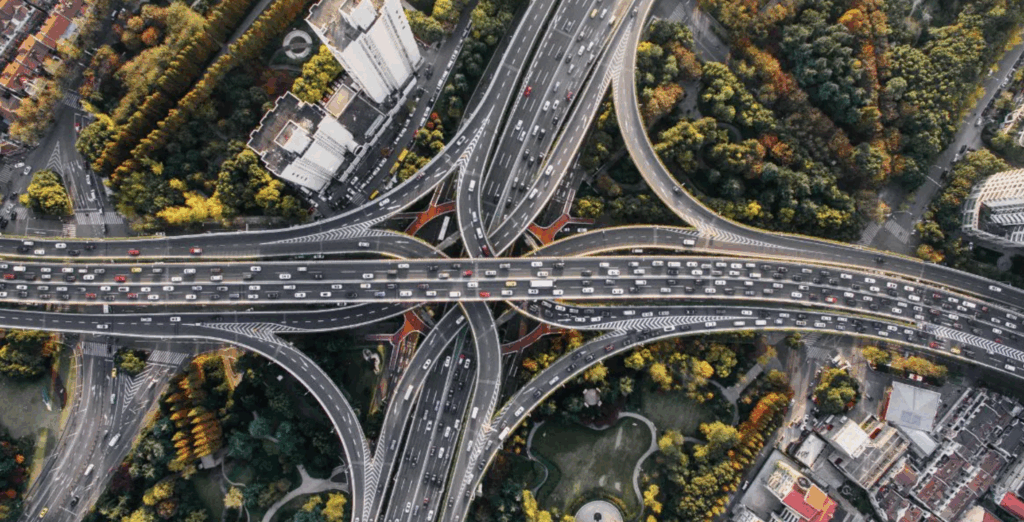

Mumbai is preparing for one of its biggest infrastructure transformations ever after the Maharashtra government approved Phase 1 of the ambitious Virar–Alibaug Multimodal Corridor project. The massive 14-lane access-controlled corridor is expected to completely reshape connectivity across the Mumbai Metropolitan Region (MMR) over the next few years.
The project has long been described as a “Third Mumbai backbone” because of its potential to reduce pressure on Mumbai’s overcrowded roads while creating a new high-speed economic and logistics corridor across the region.
One Of Maharashtra’s Biggest Road Projects
The Virar–Alibaug Multimodal Corridor will stretch roughly 126 km from Virar in Palghar district to Alibaug in Raigad district. The project will pass through key regions including:
- Potters
- Bhiwandi
- Kalyan
- Ambernath
- Panvel
- Career
- Pen
- Navi Mumbai.
The Maharashtra State Road Development Corporation (MSRDC) will execute the project. According to reports, the Phase 1 stretch alone will cover nearly 96 km and is expected to cost around ₹31,793 crore.
Including land acquisition and financing costs, the broader project estimate reportedly crosses ₹37,000 crore.
Why This Corridor Is So Important
Mumbai’s road infrastructure has struggled for years due to:
- Massive urban expansion
- Rising vehicle population
- Heavy freight movement
- Port traffic congestion
- Growing Navi Mumbai development.
The Virar–Alibaug corridor is designed to solve many of these problems by creating a bypass-style transport spine outside Mumbai’s crowded core.
Officials believe the corridor could significantly reduce traffic pressure on:
- Eastern Express Highway
- Western Express Highway
- Thane routes
- Mumbai city roads
- Existing freight corridors.
Travel Time Could Reduce Dramatically
One of the biggest highlights of the project is the expected reduction in travel time.
According to reports:
- The Virar–Alibaug journey could become nearly 90 minutes shorter after the corridor becomes operational.
The corridor will also improve access to:
- Navi Mumbai International Airport
- JNPT Port
- Mumbai–Pune Expressway
- Mumbai–Goa Highway
- Mumbai–Ahmedabad Highway
- Samruddhi Mahamarg connectivity.
This makes the project strategically important not just for commuters, but also for logistics, trade, and freight transportation.
A Multimodal Mega Project
The project is called “multimodal” because it is not just a highway.
Reports suggest the corridor may eventually include:
- Dedicated road lanes
- Metro connectivity
- Bus transport systems
- Freight movement integration.
Some stretches are expected to have:
- 8 to 14 lanes
- Access-controlled movement
- High-speed travel design.
The corridor is being planned as a future-ready transport ecosystem rather than a traditional expressway.
Mumbai’s “Third City” Vision
Urban planners increasingly view the project as part of the broader “Mumbai 3.0” vision.
The idea is to:
- Shift growth outside congested South Mumbai and central suburbs
- Develop new urban and industrial zones
- Create alternative business corridors
- Improve regional mobility.
With:
- Navi Mumbai Airport
- So Here
- Coastal Road
- Metro expansion
- New freight corridors
…Mumbai’s surrounding regions are rapidly emerging as the next major urban growth zone.
The Virar–Alibaug corridor could become the main transport backbone connecting these developments.
Real Estate And Industrial Boom Expected
Infrastructure projects of this scale often trigger major real-estate and industrial growth.
Experts believe areas along the corridor could witness:
- New logistics parks
- Warehousing hubs
- Industrial zones
- Residential townships
- Commercial expansion.
Locations like:
- Bhiwandi
- Kalyan
- Panvel
- Pen
- Career
…could especially benefit because of improved connectivity to:
- Ports
- Airports
- Expressways
- Freight routes.
Land Acquisition Remains A Major Challenge
Despite the approval, the project still faces major implementation hurdles.
The biggest challenge remains:
- Land acquisition across multiple districts and villages.
Reports suggest the corridor may pass through:
- More than 100 villages
- Large land parcels across Palghar, Thane, and Raigad districts.
Large-scale infrastructure projects in Maharashtra often face delays because of:
- Environmental clearances
- Compensation disputes
- Legal challenges
- Rehabilitation concerns.
The project itself has already been discussed for more than a decade before receiving major approvals now.
Toll Concerns Already Emerging
Even before construction begins fully, discussions around toll charges have started.
Some reports suggest proposed toll rates for the full corridor could range between:
- ₹765 to ₹1,000 depending on vehicle category.
This has already triggered debate around:
- Affordability
- Freight cost impact
- Daily commuter usage.
However, final toll structures are still expected to undergo approvals and revisions.
Completion Target Around 2029
According to reports:
- The project is expected to be completed by the end of 2029.
The project will reportedly be executed under:
- Public-Private Partnership (PPP)
or - BOT (Build-Operate-Transfer) models.
If completed on schedule, the corridor could become one of the most transformative transport projects in Maharashtra’s history.
A New Era For Mumbai Connectivity?
Mumbai’s infrastructure story is rapidly changing.
Over the last few years, the region has seen:
- So Here
- Coastal Road
- Metro expansion
- Navi Mumbai Airport development
- Samruddhi connectivity projects
- New freight corridors.
The Virar–Alibaug Multimodal Corridor may now become another key piece of that larger transformation.
For commuters, it could mean:
- Faster travel
- Less congestion
- Better regional connectivity.
For Maharashtra’s economy, it could eventually become:
- A logistics powerhouse corridor
- A new industrial growth belt
- A critical transport artery connecting ports, airports, highways, and future urban zones.
Image Source
Comments are closed.