
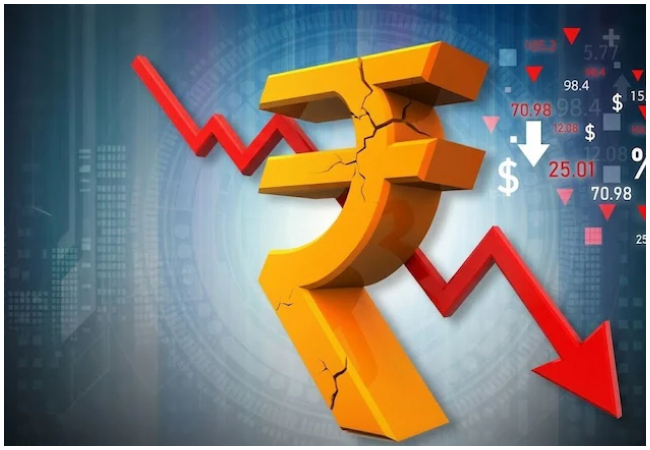
Rupee hits fresh record low of 96.20 against US dollar; down 5.5% since Iran conflict began

New Delhi: The Indian rupee weakened further on Monday, touching a fresh all-time low of 96.20 against the US dollar amid mounting geopolitical tensions in West Asia and rising global crude oil prices.
The domestic currency opened nearly 0.2 per cent lower compared to its previous close, extending the sharp losses recorded over the past several sessions. Since the beginning of the Iran conflict, the rupee has declined by around 5.5 per cent.
Last week, the rupee had crossed the 96-per-dollar mark for the first time, hitting an intraday low of 96.14 before settling at 95.97.
Rupee falls to record low past Rs 95 per dollar; Raising inflation fears
Rising Crude Prices Add Pressure
One of the key reasons behind the rupee’s weakness has been the sharp rise in oil prices. Brent crude climbed to nearly $111 per barrel following reports of an attack on a nuclear power facility in the United Arab Emirates.
Rupee hits a fresh record low of 96.20 against the US dollar amid rising crude oil prices and escalating West Asia tensions. The currency has weakened 5.5% since the Iran conflict began, raising concerns over inflation and India’s import bill.#Rupee #Dollar #IndianEconomy… pic.twitter.com/ugFuvo1fjW
— Tezzbuzz News (@DynamiteNews_) May 18, 2026
Concerns over possible escalation in the conflict have further intensified after reports suggested that US President Donald Trump may review military options involving Iran in upcoming discussions.
India, which imports a major portion of its crude oil requirements, remains highly vulnerable to sustained increases in energy prices. Analysts said rising oil costs are likely to widen the country’s import bill and add pressure on inflation.
Market Sentiment Remains Weak
The sharp depreciation in the rupee also weighed on domestic equity markets. Benchmark indices opened lower on Monday, reflecting investor concerns over the broader economic outlook.
The Nifty50 slipped more than one per cent during early trade, while the BSE Sensex also recorded significant losses as market sentiment weakened amid global uncertainty.
Rupee Strengthens, Dollar Weakens: What’s Driving the Currency Shift?
Financial experts said geopolitical instability, weak capital inflows and a widening trade deficit have increased pressure on the Indian currency.
RBI Measures and Outlook
Authorities have already introduced several measures aimed at containing volatility in the currency market. These include tighter rules for banks’ foreign exchange positions and restrictions on certain precious metal imports.
The Reserve Bank of India has also intervened periodically in the forex market to manage excessive fluctuations in the rupee. Economists believe pressure on the currency could continue in the near term, particularly if crude oil prices remain elevated and global risk sentiment deteriorates further.

Comments are closed.