
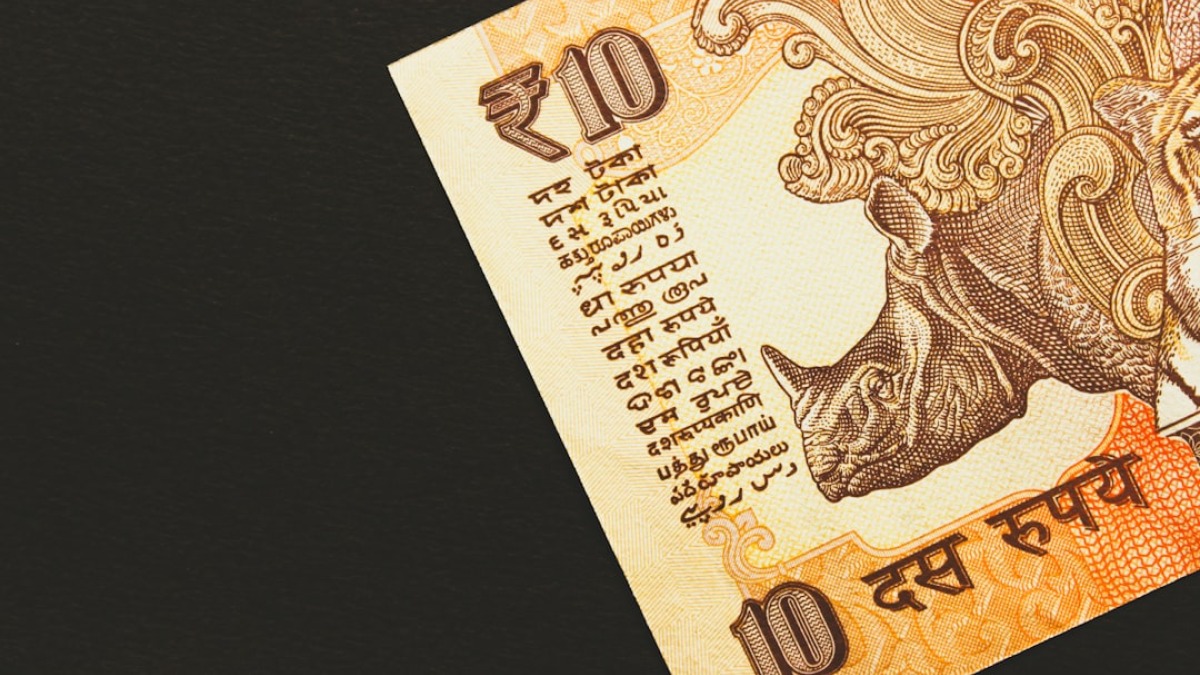

The rupee slipped to a fresh all-time low of 90.56 against the US dollar on Friday, December 12extending its recent losing streak as pressure intensified across global and domestic markets. Despite intermittent RBI intervention, the currency weakened through the morning session, driven primarily by three key forces.
Here are the top three reasons behind the rupee’s latest record low:
1. Persistent foreign investor outflows
Foreign Institutional Investors (FIIs) continued to pare exposure to Indian assets, turning into a major drag on the rupee. Data shows FIIs sold ₹2,020.94 crore worth of equities on Thursday (December 11) alone, with total outflows touching nearly $2.5 billion this month across stocks and debt.
Such sustained selling reduces the supply of dollars in the market and increases demand, directly pressuring the rupee. Dealers say the intensity of outflows reflects caution around global risk appetite and shifting investor positioning toward safer assets.
2. Heavy dollar demand from importers
Importers—particularly in sectors linked to precious metals and commodities—stepped up dollar purchases as international prices continued climbing. This surge in corporate dollar buying tightened liquidity further and accelerated the rupee’s decline.
With import bills rising, companies rushed to hedge or secure near-term dollar requirements. Traders noted that aggressive demand from these segments pushed the currency deeper into uncharted territory, even as the RBI attempted to smooth volatility.
3. Mixed global cues and a firmer dollar index
Global market sentiment remained uncertain, providing little support to emerging-market currencies. The US dollar index edged up to 98.37adding strength to the greenback, while major Asian currencies traded mixed.
Brent crude futures also rose nearly 0.7%adding to India’s external pressure. Although expectations of a softer Fed stance have cooled the dollar in recent weeks, overall risk appetite remains fragile, and investors continue to favour the dollar during periods of uncertainty. This external backdrop amplified the rupee’s weakness.
Despite these pressures, domestic equities opened in positive territory, but currency markets continue to signal caution. With global cues still volatile and outflows ongoing, the rupee remains vulnerable to further swings in the near term.

Comments are closed.