
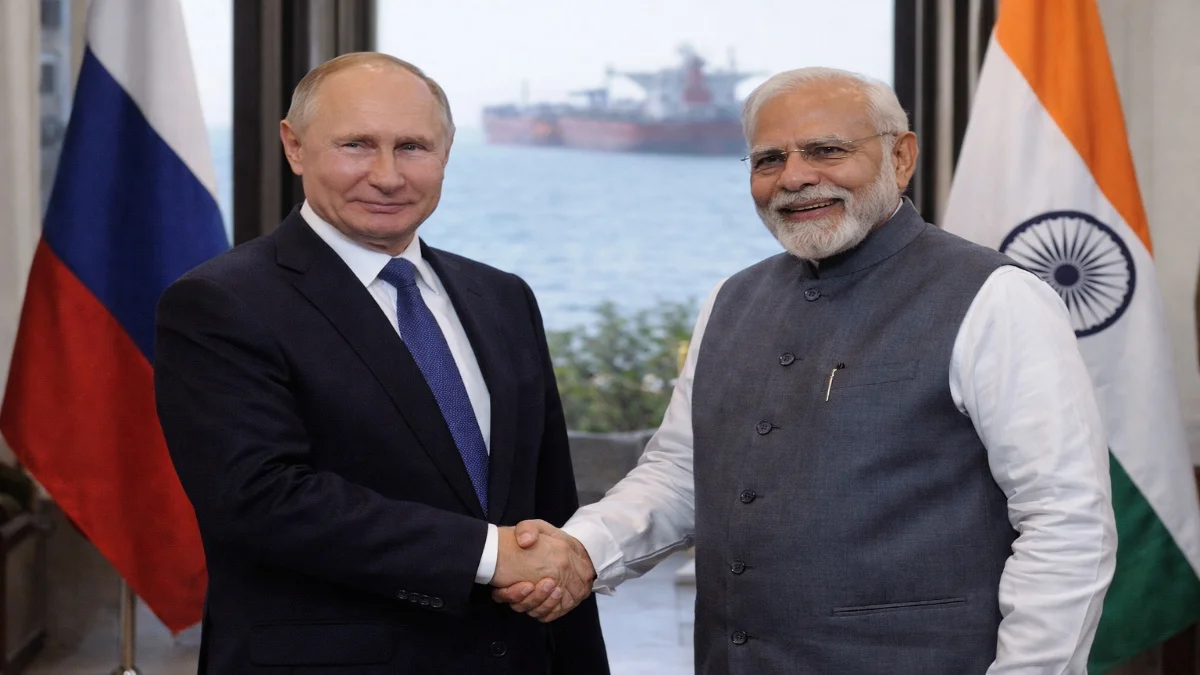

Russia is also establishing itself as a major alternative source of power to India as the Middle East turmoil disrupts the global supply chains and poses a threat of shipments through the vital sea routes. Moscow is now ready to redirect crude oil shipments to Indian refiners and approximately 9.5 million barrels of Russian crude are already on board vessels off the Indian waters, which can reach Indian ports in weeks, according to an industry source who is also well versed with the trade. These deliveries may create prompt relief in case of supply breakdowns, even though such cargoes may be carried by non-Russian fleets.
The susceptibility of India to disruptions to supply has been an issue. The nation has “just 25 days of crude stocks to satisfy demand and refiners equally do not have large inventories of gasoil, gasoline, and liquefied petroleum gas. Policymakers in New Delhi have been looking to diversify the sources of supply to hedge against the geopolitical instability even before the recent rise in the Middle East.
India is the third-largest consumer of oil in the world, with an average importation of 5.6million barrels of crude oil per day. The Middle East has long been the source of India’s energy requirements, and about 40 percent of its imports have been through the Strait of Hormuz, which is the most important oil passage in the world. The weakness of this path has constantly compelled India to think of other sources whenever there is tension in the region.
The recent animosity of the Gulf have now compelled India to be proactive to find substitutes. The Iranian retaliation attacks after the U.S and Israel attack Iranian targets have destroyed shipping and broken shipping and there is no safe transit through the Strait of Hormuz. This has been seen as the route is being almost closed, compelling India to find alternative cargos in order to prevent shortages. The government officials are already evaluating contingency plans that will be put in place in the event that the conflict extends past 10 to 15 days.
Russia is coming out as a key component of that contingency plan. Moscow, according to industry sources, is ready to contribute to the fulfillment of up to 40 percent of the Indian crude needs in case the need arises. The Indian refiners are in constant communication with traders of the Russian crude although any major surges of purchases will be subject to government directives as trade talks between the United States and the country persist.
Following Western sanctions on Moscow in 2022, Russian oil has been playing an ever stronger role in the Indian energy mix. Indian refiners were especially interested in Russian crude since the prices were discounted. But the importation fell back to approximately 1.1 million barrels a day in January, the lowest since the end of 2022, following U.S. pressure and tariff quarrels that prompted India to scale back buying. In the process, Russia lost its portion of the total imports in India to approximately 21.2 percent.
As early as February, Russian deliveries were restored, which contributed up to 30 percent of the Indian crude imports to the country, and the role of Moscow in the Indian energy security was underlined. New Delhi continues to argue that its buying policy is strategic on the diversity and the market circumstances and not political orientation and authorities have not ordered the companies to cease buying Russian oil.
Pricing is also changing due to changing market conditions. The Russian crude has been retailed at a discount since the outbreak of the Ukrainian conflict, but the tightening of the global supply is shifting the market to the benefit of sellers. This will lead to narrowing down of discounts on Russian oil.
Russia is also willing to increase the supply of liquefied natural gas to India in case the shortages exacerbate. This likelihood becomes significant following the shutdown of Qatar, which is one of the greatest suppliers of LNG in India, due to the escalating conflict. Indian firms have already cut off gas supply to part of their industry clients to cope with shortages.
India is still more exposed to a sudden disruption of Middle Eastern supply compared to China which has bigger strategic reserves. Though the United States has suggested that naval escorts and insurance policies would aid in safeguarding shipping via the Strait of Hormuz, India still plans in advance a long-term disruption.
Russia is currently strategizing as a versatile provider of energy that can stabilize the energy requirements of India and gain a benefit in the tightening energy markets of the world.

Comments are closed.