
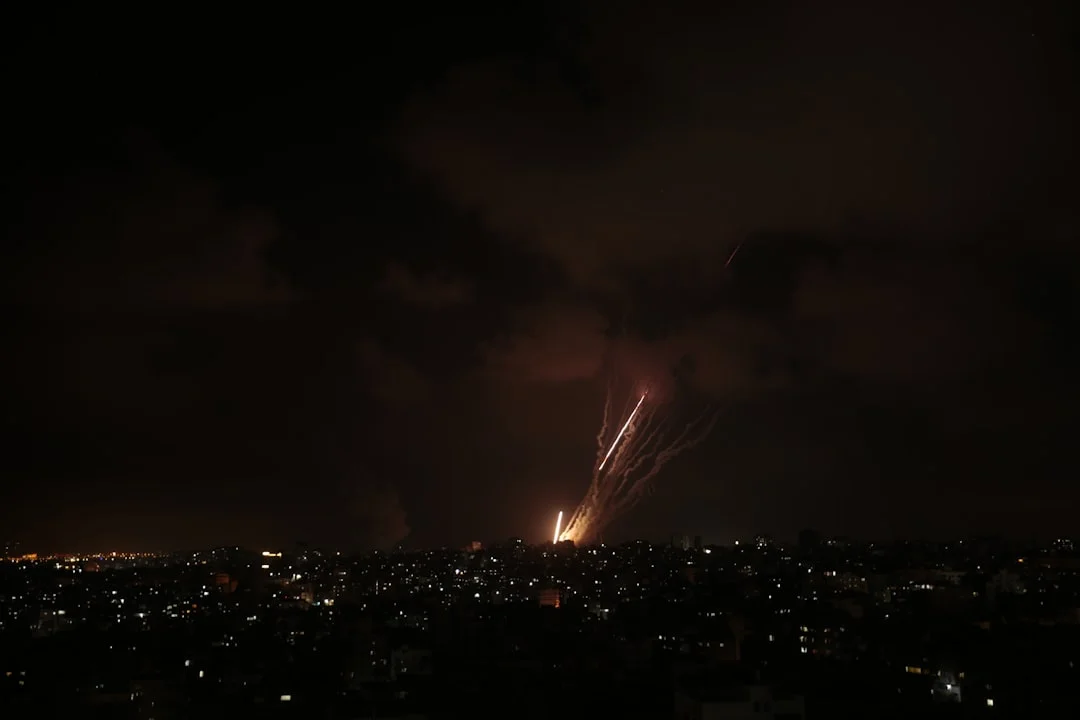

A Russian attack has killed one person in Ukraine’s Odesa region, emergency services confirmed on March 25, 2026, as the Ukraine-Russia conflict continues on a separate but simultaneous front to the West Asia crisis that has dominated global attention for the past four weeks. The incident adds to a mounting civilian toll in southern Ukraine as Russian strike activity targeting the Black Sea coast and port infrastructure continues with persistent intensity.
Emergency services in the Odesa region confirmed the fatality without immediately providing further details on the nature of the attack, the specific location within the region, or the number of injured. Ukrainian regional authorities have been consistently reporting Russian strike activity across Odesa region targeting both civilian infrastructure and port facilities, with the area’s strategic importance as Ukraine’s primary Black Sea maritime access point making it a regular target of Russian aerial operations.
Russia Also Under Drone Attack — Leningrad Region Struck
In a parallel development confirming that the Ukraine conflict continues its reciprocal strike dynamic, Russian air defence forces claimed to have downed 56 unmanned aerial vehicles over the Leningrad region on March 25, according to Governor Alexander Drozdenko. The large-scale drone attack targeted the Leningrad region in northwestern Russia, with Drozdenko reporting on Telegram that a fire broke out in the port area of Ust-Luga and was being localised, while the roof of a residential building in Vyborg sustained damage. Preliminary information indicated no injuries from either incident in the Russian strikes, the governor added.
The Ust-Luga port is a significant energy infrastructure facility on Russia’s Baltic coast, handling oil product exports and serving as a major logistics hub. A drone attack targeting Ust-Luga’s port area, if confirmed as reaching its target despite air defence interceptions, would represent a meaningful Ukrainian strike on Russian energy export infrastructure. The scale of the claimed air defence response, 56 UAVs downed in a single region, suggests a coordinated and large-scale Ukrainian drone operation targeting the Leningrad region simultaneously across multiple vectors.
Two Wars, One Global Attention Span
The Ukraine-Russia conflict has been significantly overshadowed in global media coverage by the West Asia crisis since the US-Iran-Israel conflict escalated dramatically in late February 2026. The simultaneous Hormuz closure, the collapse of global commodity markets, and the diplomatic drama around Trump’s 15-point proposal to Iran have pulled international focus away from a war in eastern Europe that has been running for four years and which continues to produce daily casualties and infrastructure destruction on both sides.
The Odesa region fatality on March 25 is a reminder that the Ukraine conflict has not paused during the world’s attention to West Asia. Russian strikes on Ukrainian territory have continued at a sustained pace through March 2026, targeting energy infrastructure, port facilities, and civilian areas across the country. Ukrainian strikes on Russian territory have similarly continued, with the Leningrad region drone attack one of the deeper penetration strikes into Russian territory reported in recent weeks.
For global energy markets already stressed by the Hormuz crisis, any escalation in the Ukraine conflict that further threatens Black Sea shipping, Ukrainian agricultural exports, or Russian energy infrastructure adds another layer of supply disruption risk to an already severely strained global commodity environment. The two conflicts, while geographically and politically separate, are connected through their combined impact on global energy supply, inflation expectations, and central bank policy responses.
This is a developing story. Business Upturn will update this article as further details on the Odesa region attack and the Leningrad region drone strike are confirmed by official sources.
This is a developing story. All details are based on reports from emergency services and regional governors as of March 25, 2026. Business Upturn will update coverage as official information is released.
Disclaimer: This article is for informational purposes only and does not constitute financial or investment advice.

Comments are closed.