
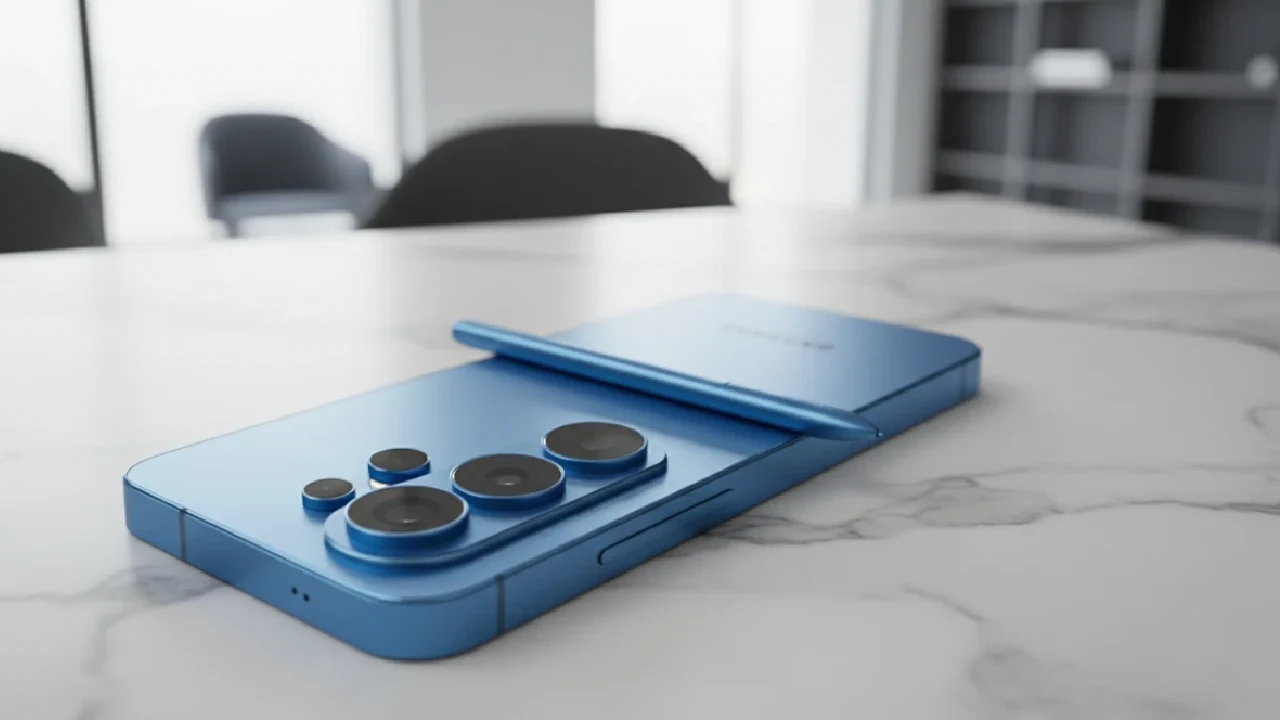

The new Geekbench listing shows that Samsung is working on Fan Edition hardware, as it is currently developing its Fan Edition product line. The Samsung Galaxy S26 FE leak provides concrete details about the upcoming device through a Geekbench listing and tipster confirmation. The new information builds on earlier reports but introduces key updates: most notably, Android 17 out of the box and an Exynos 2500 chipset, indicating that the product will undergo a controlled upgrade process rather than an extensive upgrade.
The listing, first spotted by Abhishek Yadav and reported across multiple platforms, gives one of the cleanest looks yet at Samsung’s next Fan Edition device.
Possible Android Upgrade Could Be a Key Highlight
The leak reveals that the Galaxy S26 FE will run on a newer version of Android with Samsung’s upcoming One UI 9 interface. The main Samsung Galaxy S26 series, which launched with Android 16, will give the FE model an advantage by introducing a more recent operating system. However, it’s important to note that future Android versions (such as Android 16 or later) are still under development, so this detail remains speculative.
The S26 FE device will become one of its category’s most future-proof products because Samsung has expanded its software support policy, and the device will launch with Android 17.
Exynos 2500 To Power The Device, Not Flagship Silicon
The Galaxy S26 FE will use the Exynos 2500 processor, which powers the Galaxy Z Flip 7, according to current information. The Geekbench listing reveals a 10-core CPU architecture with a peak clock speed of 3.30GHz and Samsung’s AMD-based Xclipse GPU.
Samsung uses its Fan Edition approach in this way:
- Choose the older flagship processor technology.
- Create energy-efficient solutions that reduce production costs
- Provide customers with dependable performance for their daily needs.
The S26 FE system aims to achieve an optimal balance among performance metrics, cooling capacity, and product cost.
Geekbench Scores Portray Incremental Gains
The Geekbench Scores show slight performance improvements between difficult test results.
The benchmark listing reveals:
- Slight core section: 2426
- Multi-core score: 8004
The performance scores show that previous FE models achieved better results, but their performance still lags behind the flagship Exynos 2600 chip powering the primary S26 devices. The device functions as an “affordable flagship” because it lacks the essential features that define a true flagship device.

Familiar Hardware Approach Along With 8GB RAM
The listing indicates that about 8GB of usable RAM is available. The company plans to advertise this RAM. The current RAM setup matches the previous FE models’ configuration, indicating that Samsung maintains its core specifications while introducing specific system enhancements.
Refined Not Reinvented
The latest leaks provide evidence that the Galaxy S26 FE will not introduce significant changes. Samsung has chosen to focus on three main areas, which include the following:
- Updated Software: Android 17
- Stable, efficient chipset (Exynos 2500)
- Incremental performance improvements
The FE lineup delivers flagship features at lower prices while excluding advanced hardware.
Launch Timeline After The Galaxy S26 FE Leak
The Galaxy S26 FE launch date remains unconfirmed by Samsung, but the device will probably launch around September or October 2026, according to the brand’s standard Fan Edition release schedule. The device will be priced lower than the Galaxy S26 series because it targets users who seek the following:
- Premium design and experience
- Reliable performance
- Long-term software support
Conclusion
The latest Galaxy S26 FE leak shows that Samsung continues to use its current method for developing Fan Edition products. The device will deliver only slight performance improvements thanks to its Exynos 2500 chipset and Android 17 operating system, as it functions as a fully upgraded system rather than a major innovation.
This year, the company is focusing on developing software that will last longer while providing users with consistent performance, rather than delivering maximum processing power. This choice indicates that Samsung wants to enhance product usability while delivering value to customers who buy premium-range products.

Comments are closed.