

Jharkhand News: In the year 2003, Santhali language was given official status by being included in the Eighth Schedule of the Indian Constitution. This status was given on 22 December 2003. This day was remembered again on Monday.
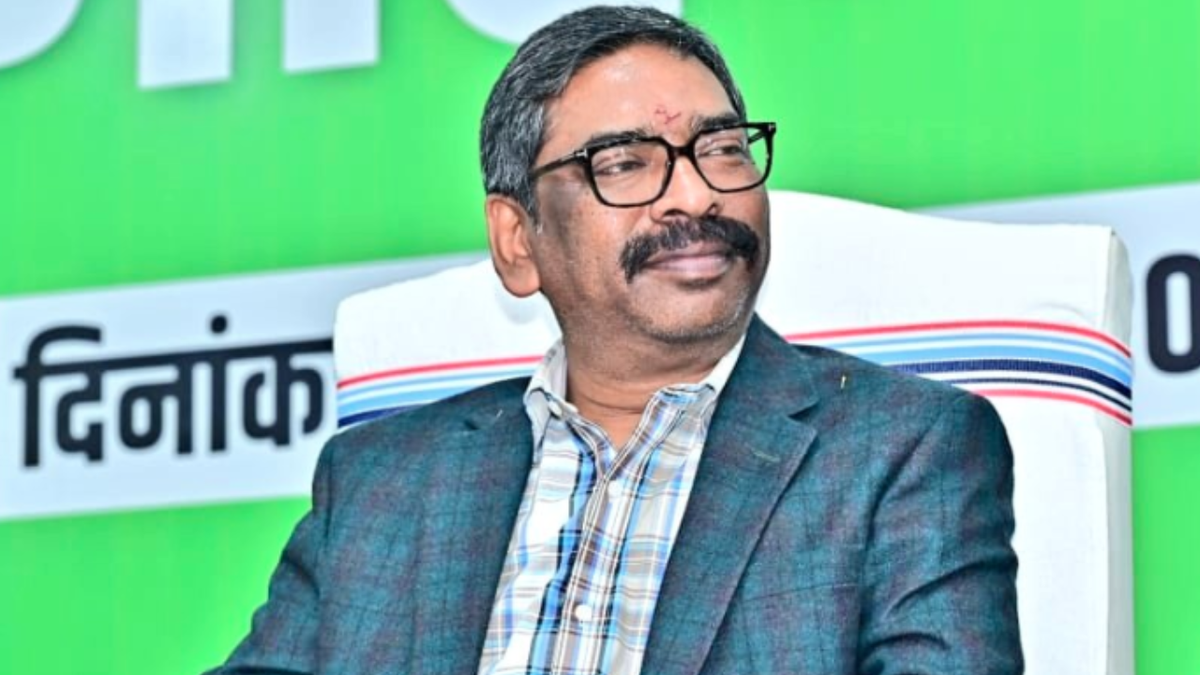
On this occasion, Jharkhand CM Hemant Soren posted on ‘X’ on Monday and wrote that on this day in the year 2003, Santhali language was given official status by being included in the Eighth Schedule of the Indian Constitution. Hearty best wishes, congratulations and johar to everyone on this historic day.
What is the importance of Santhali language?
Highlighting the importance of Santhali language, he further wrote that Santhali language is not just a medium of communication but is a living expression of our rich tribal culture, traditions, history and identity. The respect and structure that Pandit Raghunath Murmu ji gave to the Santhali language through the Ol-Chiki script is an invaluable heritage for the coming generations.
On this day in the year 2003, Santhali language was given official status by being included in the Eighth Schedule of the Indian Constitution. Hearty best wishes, congratulations and johar to everyone on this historic day.
Santhali language is not only a medium of communication, but also a part of our rich tribal culture, traditions, history and… pic.twitter.com/YbbK87AiCc— Hemant Soren (@HemantSorenJMM) December 22, 2025
How is Santhali language getting government protection?
Regarding the future of linguistic heritage, CM Hemant Soren wrote that the Abua government is committed to the conservation, promotion and propagation of all the tribal and regional languages of Jharkhand so that our linguistic heritage remains safe and the new generation can connect with it with pride.
Where is Santhali language spoken?
Let us tell you that December 22 is very important for more than 80 lakh people spread across the country and abroad who write, speak and read Santhali language. After decades of demand and a long movement, on this date in 2003, Santhali was included in the Eighth Schedule of the Indian Constitution. Since then this day is celebrated as Santhali Vijay Diwas. Apart from Jharkhand, West Bengal, Odisha and Assam, Santhali is the main language of many tribal areas of Bangladesh, Nepal and Bhutan.
Which languages are included in the Eighth Schedule of the Indian Constitution?
The Eighth Schedule of the Indian Constitution contains 22 languages, of which there were originally 14 languages and later through several amendments Sindhi, Konkani, Manipuri, Nepali, Bodo, Dogri, Maithili and Santhali were added. These languages are recognized as the official languages of the country. These include Assamese, Bengali, Gujarati, Hindi, Kannada, Kashmiri, Sanskrit, Tamil, Telugu, Urdu, Marathi, Oriya, Punjabi, Nepali, Konkani, Manipuri, Bodo, Dogri, Maithili, Santhali, Malayalam and Sindhi.
Jharkhand News: Chief Minister Employment Generation Scheme is proving to be a boon for starting one’s own business.

Comments are closed.