
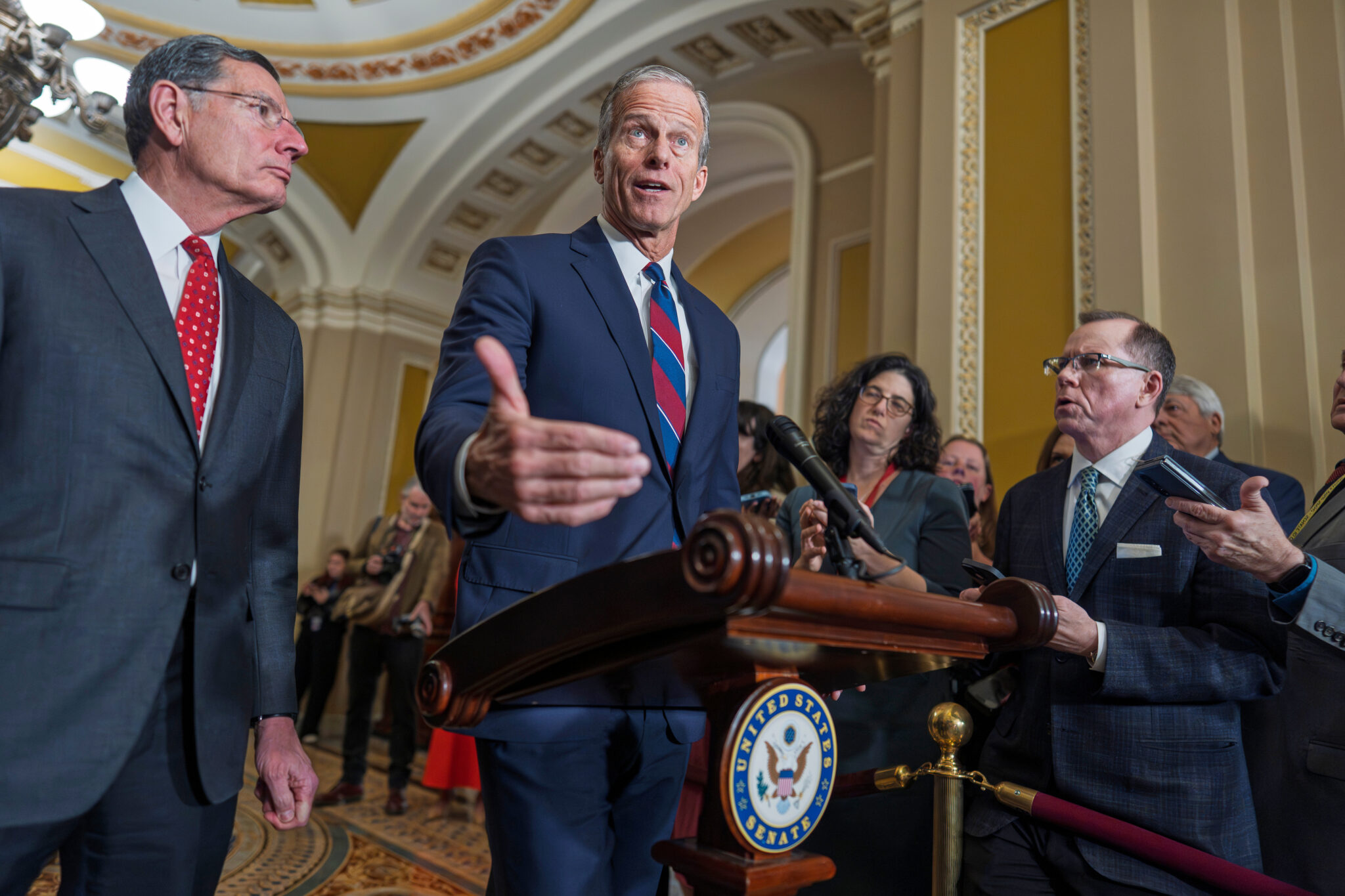

Senate Rejects ACA Subsidies, Millions Face Health Care Rising Costs/ TezzBuzz/ WASHINGTON/ J. Mansour/ Morning Edition/ The Senate has rejected efforts to extend Affordable Care Act tax credits, triggering higher health insurance costs for millions starting January 1. A Democratic proposal and a Republican alternative both failed, ending months of stalled negotiations. The breakdown signals deep partisan divides, leaving many Americans caught in the middle as premiums rise.
ACA Subsidies Vote Quick Looks
- Senate rejected both Democratic and Republican plans regarding ACA tax credits.
- COVID-era subsidies are set to expire January 1, causing premium hikes.
- Democrats proposed a three-year extension, Republicans pushed health savings accounts.
- Schumer warned Republicans this was the last chance to act.
- Bipartisan talks fizzled after a temporary shutdown-ending deal.
- GOP senators suggested short-term solutions, but no consensus was reached.
- Republicans criticized ACA’s affordability, but failed to offer a unified alternative.
- House Republicans remain divided, with moderates pushing for temporary relief.
- Millions of Americans face steep premium increases without action.

Senate Rejects ACA Subsidies, Millions Face Rising Costs
Deep Look
The United States Senate on Thursday decisively rejected two competing proposals aimed at extending tax credits under the Affordable Care Act (ACA), effectively ensuring that millions of Americans will face higher health insurance premiums beginning January 1, 2026.
The failed votes—one backed by Democrats and another proposed by Republicans—marked the end of a prolonged legislative push to preserve the financial assistance measures originally enacted during the COVID-19 pandemic.
Democrats had introduced legislation to continue the ACA subsidies for another three years, arguing that allowing them to expire would severely impact working families who rely on the program to afford health coverage.
Senate Majority Leader Chuck Schumer issued a stern warning ahead of the vote, stating, “There won’t be another chance to act,” and imploring lawmakers to avoid what he described as an impending disaster.
Meanwhile, Republicans floated an alternative that focused on health savings accounts, providing direct financial assistance to individuals instead of insurers. The approach, championed by key GOP figures and echoing past proposals from President Donald Trump, was swiftly rejected by Democrats, who argued that the savings accounts were inadequate to meet the growing cost of care.
Although a few Republican senators, including Sen. Thom Tillis of North Carolina, urged for a short-term extension to allow more time for negotiation, the broader party failed to coalesce around a single strategy.
Tillis acknowledged the complexity of the issue and the constraints posed by the legislative calendar, stating, “It’s too complicated and too difficult to get done in the limited time that we have left.”
The deadlock was especially striking in light of last month’s bipartisan agreement to end a 43-day government shutdown. That deal, spearheaded by a group of centrist Democrats and Republicans, included a promise to hold a vote on extending the ACA subsidies. However, even with that opportunity, real negotiations never materialized.
Senator Angus Kingan independent aligned with Democrats, confirmed that subsequent talks with Republicans collapsed when GOP negotiators insisted on including stricter abortion coverage restrictions—an absolute non-starter for Democrats.
For Democrats, the issue of health care remains a central electoral priority. Since the ACA’s passage in 2010, they have consistently used the legislation’s benefits as a campaign pillar, particularly targeting the millions of Americans who purchase their insurance through federal or state-run marketplaces.
Conversely, Republicans have repeatedly criticized the ACA as being too costly and inefficient. Despite numerous attempts over the past decade to repeal or significantly reform the law, the party has yet to produce a viable and comprehensive alternative. Their latest proposals—ranging from savings accounts to block grants—lack consensus within the GOP ranks.
In the House, Speaker Mike Johnson of Louisiana announced a plan to vote on the issue next week. But Republican members are reportedly split, with moderates advocating for an extension to shield constituents from rising premiums, while more conservative members push for sweeping changes to the health law instead.
Rep. Kevin Kiley of California is among those urging for a short-term solution. He argued that delaying the expiration could provide a valuable opening for broader reform talks in the future. But time is running out, and without a breakthrough, the price of inaction may be reflected in voter sentiment as early as next year.
The impasse represents another stark example of political dysfunction in Congress, where messaging wars and partisan standoffs have become routine. Earlier this year, Republicans used budget reconciliation to pass sweeping tax and spending cuts without a single Democratic vote, highlighting the broader trend of unilateral legislative maneuvering.
As premiums increase in January, millions of Americans are expected to feel the impact directly in their monthly budgets. Democrats have already begun placing the blame squarely on Republicans, warning that voters will remember who allowed health care costs to climb.
Regardless of the political fallout, the practical consequences are clear: without congressional action, the financial burden of health care will increase significantly for many families, especially those who rely on the ACA marketplaces for coverage.
More on US News

Comments are closed.