

Mumbai: Indian equity benchmarks ended slightly lower on Friday after the Reserve Bank of India (RBI) kept key interest rates unchanged, while the rupee recorded its biggest single-day gain since April, offering some relief to investors.
The S&P BSE Sensex declined 116.67 points, or 0.16%, to close at 74,243.34, while the NSE Nifty50 fell 49.85 points, or 0.21%, to settle at 23,366.70. The markets witnessed a volatile trading session as investors assessed the central bank’s policy stance along with global cues.
RBI policy in line with expectations
The RBI’s decision to maintain the repo rate at 5.25% was largely anticipated by market participants. However, the lack of fresh triggers from the policy outcome kept equities range-bound throughout the session.
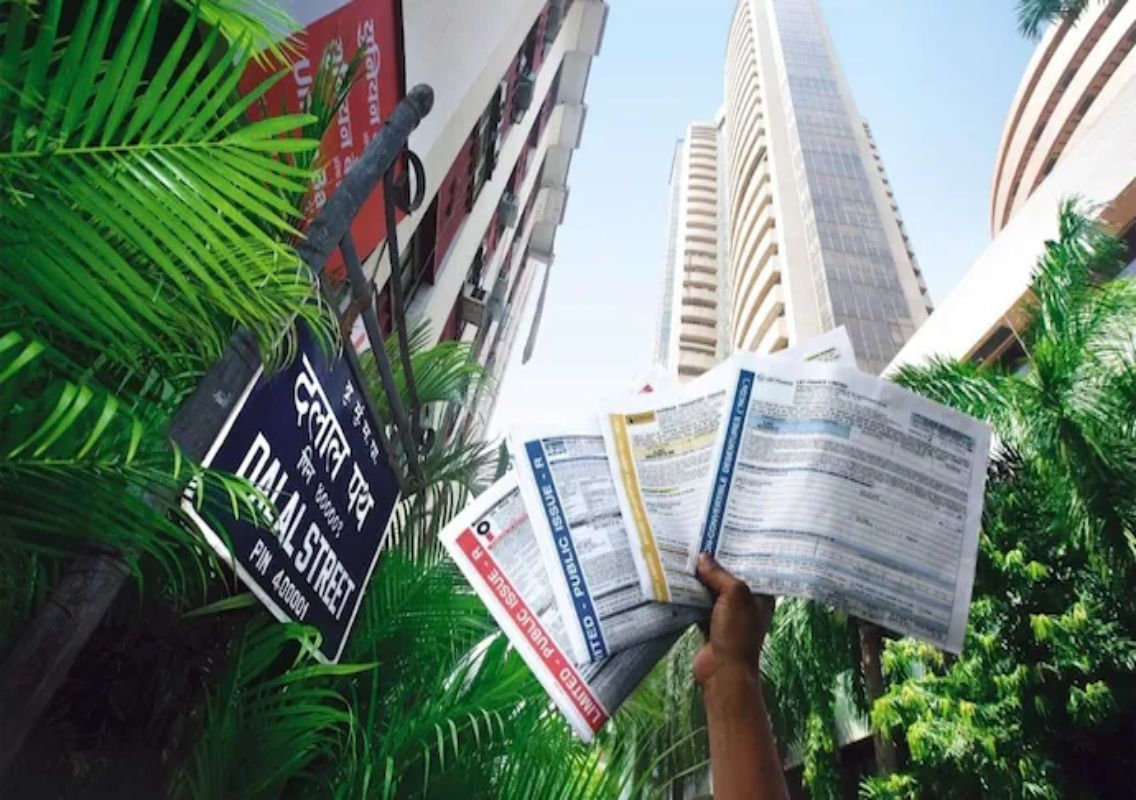
Investors closely analysed the central bank’s commentary on inflation and growth, particularly in the context of rising crude oil prices and geopolitical tensions in West Asia. While the policy stance remained broadly supportive, concerns over inflationary pressures and external risks led to cautious sentiment on Dalal Street.
Market experts noted that although the policy outcome did not surprise investors, a downward revision in growth projections and a calibrated inflation outlook prompted some profit booking.
Rupee posts sharpest gain in months
In contrast to the subdued equity market performance, the Indian rupee registered a strong recovery. The currency surged 0.9% to close at 94.9450 against the US dollar, compared to 95.7850 in the previous session.
This marked the rupee’s biggest single-day gain since April 2, driven by supportive policy signals and measures aimed at boosting capital inflows. The appreciation of the rupee helped improve near-term market sentiment, especially amid concerns over sustained depreciation and foreign investor outflows.
Mixed performance across sectors
Sectoral indices showed a mixed trend during the session. Nifty Media emerged as the top performer, rising 3.48%, followed by gains in Nifty Realty, Healthcare and PSU Bank indices.
On the other hand, Nifty Metal was the worst-performing sector, declining 1.60%, while Nifty IT fell 0.99%, extending its recent weakness. Nifty FMCG and Oil & Gas indices also ended in the red.
The weakness in IT stocks continued to weigh on benchmark indices, with major companies such as TCS and Infosys among the top laggards.
Key movers on the Sensex
Among individual stocks, Hindustan Unilever led the gains with a rise of 2.10%. Axis Bank, Adani Ports, Bajaj Finance and Asian Paints also ended higher.
Mahindra & Mahindra and Eternal posted modest gains during the session.
On the losing side, Trent was the biggest laggard, falling 2.21%. TCS, Tata Steel, Infosys and Bajaj Finserv also declined, contributing to the overall weakness in the market.
Broader markets mirrored the trend in benchmark indices, with the Nifty Midcap 100 falling 0.35% and the Nifty Smallcap 100 slipping 0.06%.
Global cues and crude oil trends
Global factors continued to influence market sentiment. Investors remained cautious amid ongoing geopolitical tensions in West Asia, which have raised concerns about potential disruptions in energy supplies.
Crude oil prices remained under watch, although they showed some moderation during the session. Brent crude edged down 0.17% to $94.87 per barrel, while WTI crude fell 0.35% to $92.71 per barrel.
Despite the slight easing, analysts warn that any escalation in tensions involving major global players could push oil prices higher again, adding to inflationary pressures.
Outlook for markets
With the RBI policy announcement now behind them, investors are expected to shift focus to upcoming inflation data, foreign fund flows and global developments.
The sustainability of the rupee’s recovery, along with trends in crude oil prices and geopolitical tensions, will play a crucial role in determining the direction of the markets in the coming weeks.
Conclusion
Indian equity markets ended on a cautious note as the RBI maintained status quo on interest rates, while global uncertainties and inflation concerns continued to weigh on sentiment. Although the rupee’s sharp recovery provided some support, markets are likely to remain sensitive to both domestic and international developments in the near term.
(Disclaimer: The views, opinions, recommendations, and suggestions expressed by experts/brokerages in this article are their own and do not reflect the views of the Read Group. It is advisable to consult a qualified broker or financial advisor before making any actual investment or trading choices.)

Comments are closed.