


India’s energy ecosystem was pushed into a sudden crisis when LNG supplies from QatarEnergy came to an abrupt halt. The disruption followed escalating geopolitical tensions triggered by retaliatory strikes from Iran on critical Gulf infrastructure.
This was no minor hiccup. Qatar accounts for nearly 45–50% of India’s LNG importsmaking it the backbone of the country’s gas supply. When that flow stopped, the consequences were immediate—fertiliser plants, city gas networks, and industrial consumers all faced a looming shortage.
At the heart of the crisis was a critical dependency: LNG is not just fuel for India—it is a key input for urea productionessential for the country’s agricultural output.
Credits: Economic Times
A Race Against Time: Government Scrambles for Supply
With urea production under pressure, the Indian government moved swiftly. Fertiliser companies floated an emergency bulk LNG tender to secure 6 trillion British thermal units (TBtu) of gas.
The urgency was clear:
- Urea plants began operating at just 70% of required gas levels
- Industrial users faced supply cuts of up to 40%
- Gas allocation was prioritised for fertiliser and city gas distribution networks
State-run firms like GAIL (India) Limited attempted to source cargoes from the US and Russia. However, logistics quickly became the bottleneck. LNG shipments from the US can take up to 45 days to reach India, and vessel availability was limited.
India needed not just supply—but speed.
Shell Steps In: A Swift and Strategic Response
That’s where Shell plc emerged as the unlikely hero of the moment.
The Anglo-Dutch energy giant secured 4 TBtu out of the 6 TBtu tendermaking it the dominant supplier in the emergency procurement round. But this wasn’t just about winning a contract—it was about execution at scale.
Shell leveraged:
- Its global LNG portfolio spanning Oman, Australia, Nigeria, and beyond
- A fleet of 65+ chartered LNG carriers
- Its 5 million tonne-per-year Hazira terminal in Gujarat
Hazira LNG Terminal became a critical gateway, allowing Shell to rapidly divert cargoes to India when others couldn’t.
While competitors struggled with geographic and shipping constraints, Shell’s integrated supply chain allowed it to move faster—and decisively.
Stabilising the System: From Shortage to Recovery
The impact of Shell’s intervention was almost immediate.
As additional LNG cargoes began arriving:
- Urea plants ramped up from 70% to 90% capacity by April 6
- By April 9, they were operating at ~95% of gas requirements
- City gas distributors and industrial users received a 10% increase in allocations
What could have spiraled into a prolonged energy crisis was instead contained within weeks. The rapid stabilisation ensured that both agriculture and urban energy supply chains avoided severe disruption.
The Bigger Picture: A Shift in India’s LNG Landscape?
Shell’s role in this episode goes beyond crisis management—it may signal a deeper shift in India’s LNG sourcing strategy.
Traditionally, India has relied heavily on long-term contracts, particularly with Qatar. But this incident exposed the risks of overdependence on a single supplier or region.
Shell, as one of the world’s largest LNG portfolio players, demonstrated the value of:
- Supply diversification
- Shipping flexibility
- Integrated infrastructure
Its dominance is likely to continue. The company is expected to be a key bidder in an upcoming 10–12 TBtu fertiliser sector tenderindicating that its presence in India could become more structural than temporary.
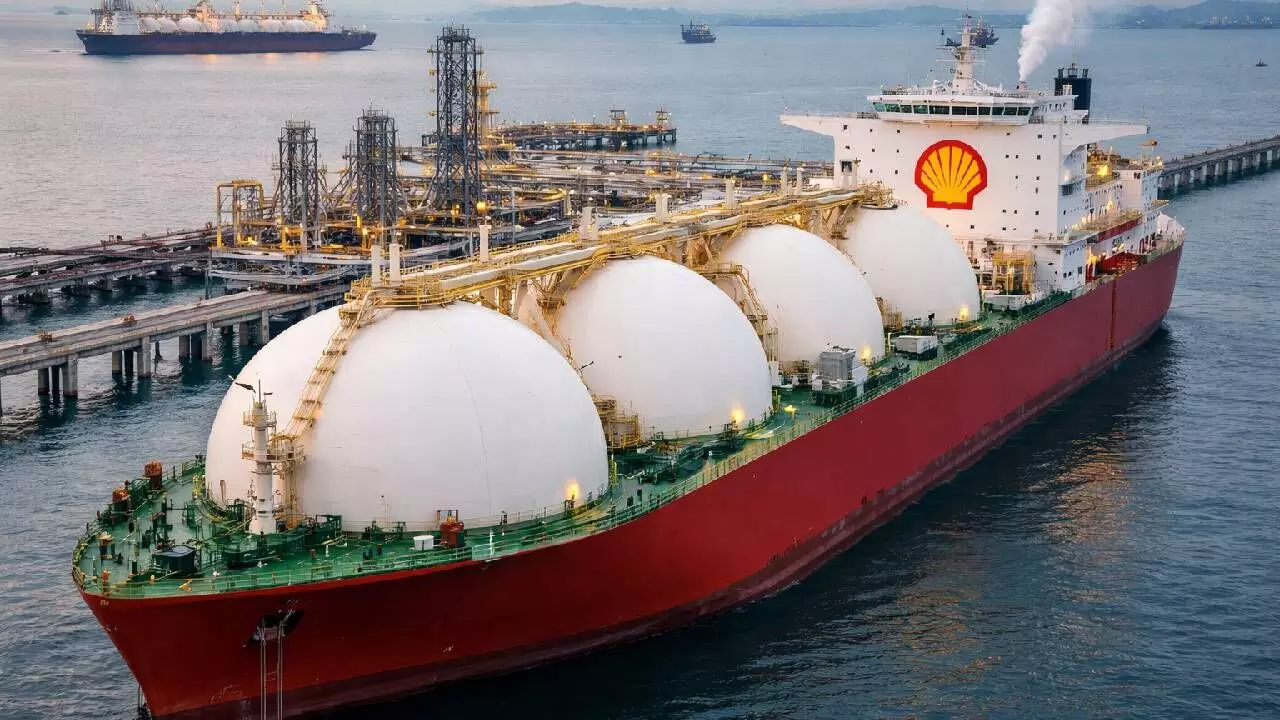
Credits: Bizz Buzz
Conclusion: Crisis as a Catalyst
India’s LNG disruption highlights a crucial lesson: in today’s interconnected energy markets, resilience depends on flexibility.
While geopolitical shocks are often unpredictable, the ability to respond quickly can define outcomes. In this case, Shell plc turned a crisis into an opportunity—stepping in when supply chains faltered and ensuring that critical sectors kept running.
For India, the episode may serve as a turning point—prompting a rethink of energy security, supplier diversification, and the importance of agile global partnerships in an increasingly volatile world.

Comments are closed.