
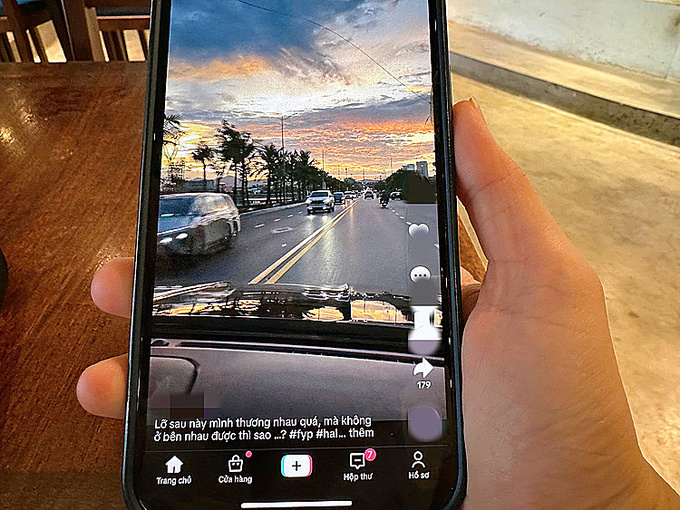

What begins as a few minutes of entertainment, a comedy sketch, a parenting tip, a cooking video, stretches into hours as one short clip leads seamlessly to the next.
The room falls silent, illuminated only by the glow of two screens. When Nguyet finally looks at the clock, it is already midnight.
Her husband has fallen asleep with videos still playing. The nightly routine was not always like this.
According to psychologist Nguyen Thi Huong Lan, who later counseled the duo, their evenings once ended with conversation. After their child went to sleep, Nguyet and her husband would make warm drinks, sit together in the living room, and talk about the day. But those conversations gradually dried up.
When Nguyet sat close to him, he would wrap one arm around her while continuing to scroll with the other. Their discussions became increasingly practical— like who would pick up their child, whether the electricity bill had been paid, what groceries were needed.
She began feeling lonely despite sharing the same bed. The emotional distance eventually affected their physical relationship as well, prompting her to seek professional help. Mental health specialists say Nguyet’s experience reflects a growing pattern among young couples.
Vietnamese internet users spend an average of nearly six hours and 20 minutes online each day, according to 2024 data from We Are Social, with much of that time devoted to short-form video platforms such as TikTok, Facebook Reels, and YouTube Shorts.
A user watches short videos on TikTok. Photo by Linh Dan |
For many working adults, the appeal is understandable.
Long workdays, childcare responsibilities, and household obligations leave little energy for meaningful conversation, while scrolling through an endless stream of entertaining videos offers an inexpensive and immediate escape from daily pressures.
For Huong, 38, an office worker in Ho Chi Minh City, short videos became a way to mentally disconnect after exhausting days of balancing work and family responsibilities.
“After work, I still have cooking and housework waiting at home,” she says. “Watching a few cooking or travel videos is the quickest way to stop thinking about everything else.”
By the time she and her husband put their phones down, both are too tired to do anything except sleep.
Psychologist Huong Lan says short videos are rarely the sole reason a marriage deteriorates. More often, they become a convenient hiding place for couples already dealing with stress, fatigue or unresolved problems.
The constant stream of clips offers instant relief by stimulating dopamine, she says. But after scrolling for hours, many people end up feeling more tired and emotionally empty. “People may spend two hours scrolling to relieve stress, but when they finally stop, they often feel even more exhausted and emotionally empty.”
Over time, repeated avoidance damages intimacy. When one partner wants to talk but the other keeps scrolling, feelings of rejection and neglect can build.
The habit can also affect physical health and sexual intimacy. Dr. Ha Ngoc Manh, director of the Vietnam-Belgium Hospital of Andrology and Infertility, says short-video platforms encourage people to delay sleep as they keep waiting for the next clip.
Chronic lack of sleep and disrupted body clocks can lower testosterone in men and cause hormonal imbalance in women, reducing sexual desire in both sexes, he says.
Even when couples are physically together, the rapid pace of digital stimulation can make it harder to sustain the attention and emotional presence needed for intimacy, he says.
Experts recommend rebuilding small daily habits that create opportunities for connection: leaving phones outside the bedroom, using app time limits, or setting aside a few uninterrupted minutes each night to talk about something other than children, finances, or household responsibilities. Sometimes, a single question such as “What made you happy today?” is enough, Lan says.
For Nguyet, the turning point came only after months of counseling. It was not deleting social media; it was telling her husband for the first time that she felt lonely while lying beside him. “He didn’t know,” she says. “He thought I wanted to be left alone after a long day.” That night, they stayed awake talking until one in the morning. Neither of them picked up a phone.
*Charecters’ names have been changed.
Comments are closed.