
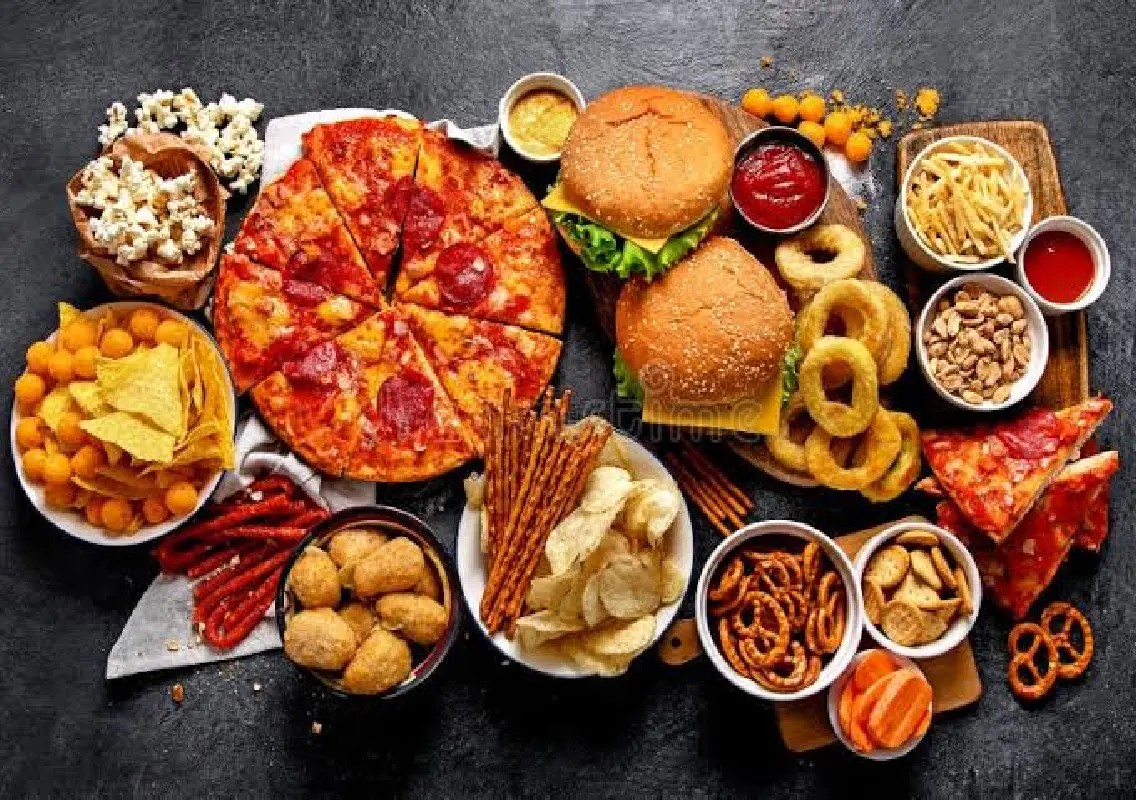

New Delhi: With obesity and lifestyle-related diseases rising rapidly across India, health experts are advocating a health tax on sugary drinks and unhealthy foods as part of a broader strategy to improve nutrition and reduce the burden of non-communicable diseases. The proposal comes from the Indian Council of Medical Research-National Institute of Nutrition (ICMR-NIN)-led “Let’s Fix Our Food” Consortium, which has recommended taxing foods high in sugar, salt and unhealthy fats alongside other policy measures.
The recommendations come amid growing concerns over increasing consumption of junk food and sugar-sweetened beverages, particularly among children and adolescents, and the resulting rise in obesity, diabetes, hypertension and heart disease.
Obesity on the rise in India
According to recent estimates cited in the policy document, around 254 million Indians are living with general obesity, while 351 million have abdominal obesity.
The report also highlights a worrying trend among children, noting that nearly 41 million children aged 5 to 19 years are living with overweight or obesity. Health experts warn that these numbers are likely to increase if unhealthy dietary habits continue.
The consortium says India must shift its focus from relying solely on individual choices to creating healthier food environments through effective public policies.
What is a health tax?
A health tax is an additional levy imposed on products considered harmful to health when consumed frequently.
The proposed tax would apply to products such as:
- Sugar-sweetened beverages
- Sweets and confectionery
- Foods high in fat, salt and sugar (HFSS)
The objective is to make unhealthy products more expensive, thereby discouraging excessive consumption while generating revenue that can be invested in public health initiatives.
Proposed tax rates
The ICMR-NIN policy brief recommends:
- A 20 to 30 per cent health tax on sweets and confectionery, in addition to the existing GST.
- A 22 to 32 per cent health tax on sugar-sweetened beverages.
The report estimates that these measures could reduce demand for unhealthy products while increasing government revenue that can be channelled into health and nutrition programmes.
How could the tax help?
Health experts believe the proposed tax could deliver several long-term benefits.
Reduced consumption
Higher prices may encourage consumers to reduce purchases of sugary drinks and junk food or switch to healthier alternatives.
Encouraging healthier products
Manufacturers may reformulate products by reducing sugar, salt or unhealthy fats to avoid higher taxes and remain competitive.
Several countries that introduced sugar taxes have witnessed product reformulation and lower sugar consumption.
Funding public health
Revenue generated through the tax could support:
- Nutrition awareness campaigns
- School health programmes
- Obesity prevention initiatives
- Improved access to healthier food options
Preventing lifestyle diseases
Reducing the intake of unhealthy foods may help lower the long-term risk of obesity, type 2 diabetes, cardiovascular diseases and other non-communicable illnesses.
Tax alone is not enough
The policy document emphasises that taxation should be part of a comprehensive strategy rather than a standalone solution.
The consortium recommends combining the health tax with:
- Easy-to-understand front-of-pack nutrition labels
- Restrictions on advertising unhealthy foods to children
- Healthier food options in and around schools
- Incentives for food companies to reformulate products
- Better access to affordable fruits and vegetables
- Periodic review of tax rates
Experts believe these measures together would make healthier food choices more accessible and affordable.
Experts call for coordinated action
Dr M. Srinivas, Member (Health), NITI Aayog, said evidence-based and coordinated policy action is necessary to create healthier food environments for children and adolescents.
He noted that collaborative initiatives such as the Let’s Fix Our Food Consortium play an important role in tackling the increasing burden of obesity and diet-related non-communicable diseases.
Dr Bharati Kulkarni, Director of ICMR-NIN, said the institute remains committed to generating evidence-based research and translating it into effective public health policies through collaboration with researchers, policymakers and development partners.
Meanwhile, Marie-Claude Desilets, Chief of Nutrition at UNICEF India, said malnutrition is no longer limited to undernutrition, as rising obesity driven by unhealthy diets is increasingly affecting children and adolescents. She stressed the need for healthier school food environments to ensure children grow, learn and thrive.
The policy recommendations are expected to contribute to ongoing discussions on strengthening India’s nutrition policies and tackling the growing burden of obesity and lifestyle-related diseases through a combination of taxation, awareness and healthier food environments.

Comments are closed.