
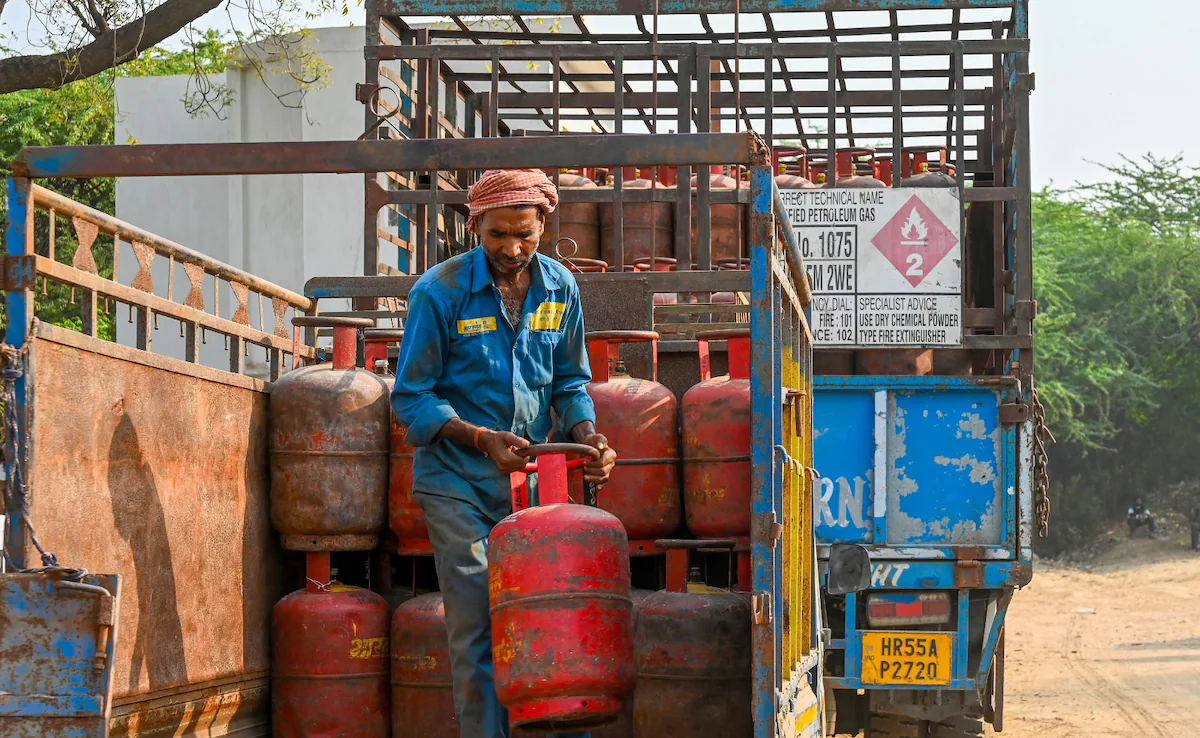
Side effect of Middle East World War: Government made ‘Emergency Plan’, know who will get the cylinder first…see list

New Delhi: The fierce war that broke out between America, Israel and Iran in the Middle East is no longer limited to just the borders. This has started having a direct impact on the budget and supply chain of Indian kitchens. Due to tension on the important sea route like ‘Strait of Hormuz’, clouds of crisis are looming over India’s energy security. India imports most of its LPG and natural gas needs. In such a situation, if the supply is disrupted, there may be a huge shortage of gas in the country.
To deal with this potential crisis, the Government of India has ‘Emergency Response Plan’ Have prepared. Under this plan, it has been decided on what priority the gas will be distributed in case of shortage of resources.
Government’s priority list: first stove, then business
In the event of gas crisis, the government has made it clear that its mantra will be ‘first life and needs, then business’. The priority list of distribution is as follows:
Common citizens and Ujjwala beneficiaries: Domestic consumers are at the top of the government’s list. especially ‘Pradhan Mantri Ujjwala Yojana’ Cylinders will be given first to the beneficiaries so that the stoves of poor families keep burning.
Hospital and Medical Sector: Health services have been kept in the ‘uninterrupted’ category. Priority will be given to supply of gas for sterilization and other medical purposes in hospitals.
National Security (Strategic Sector): A special quota of fuel will be reserved for the soldiers and military mess deployed on the borders. There will be no compromise on strategic security.
Community Kitchen: Government canteens and those community kitchens which provide food to a large population have also been kept in the priority category.
Supply restrictions may be imposed on these
When there is a severe shortage of resources, the government will take a tough stance Commercial and Industrial Sector Will be towards.
Big Hotels: Large hotels that use gas for commercial gain may be directed to switch to alternative fuels (such as electricity or solar).
Factories: Industrial units where LPG is used extensively may have their supply cut so that the basic needs of the ‘public’ are met before ‘profit’.

Comments are closed.