
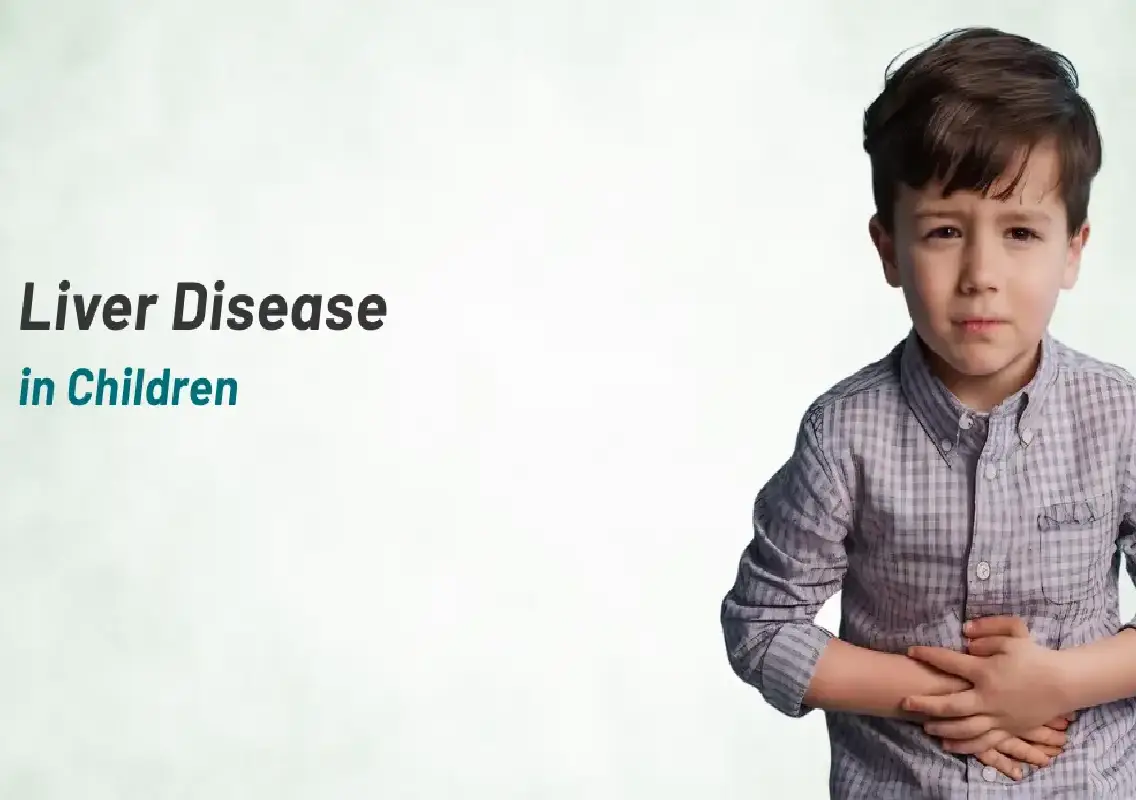

Liver diseases in children are increasingly emerging as a serious yet often overlooked health concern, with experts warning that early symptoms can be subtle and easily mistaken for common illnesses.
According to Dr Rajkali Rajendiran, early detection is crucial, as delayed diagnosis can significantly impact a child’s growth and long-term health.
Rising concern globally
Medical studies indicate that liver disease among children is on the rise, with infections remaining a leading cause. At the same time, cases of non-alcoholic fatty liver disease (NAFLD) have increased sharply in recent years.
Experts warn that many conditions remain undiagnosed due to lack of awareness and absence of obvious symptoms in early stages.
It’s not always jaundice
While jaundice is widely recognised as a key sign, doctors caution that it is not the only indicator. Many children may show no visible yellowing of the skin or eyes.
Instead, symptoms such as poor appetite, fatigue, recurrent vomiting, and abdominal pain may signal underlying liver issues.
Warning signs parents should watch
Doctors advise parents to be alert to persistent symptoms, including:
- Poor weight gain despite normal eating
- Frequent tiredness or weakness
- Abdominal swelling
- Pale stools with dark urine
These signs may indicate liver dysfunction and should not be ignored.
Hidden symptoms often missed
Some lesser-known symptoms include persistent itching without rash, frequent low blood sugar episodes, swelling in legs, or unusual bruising and bleeding.
Such symptoms may point to more serious liver conditions and require immediate medical evaluation.
Extra care for newborns
Newborns require special attention. Experts stress that jaundice lasting beyond two weeks, especially with pale stools or dark urine, must be evaluated urgently.
Early signs in infants can progress quickly if left untreated.
Early action can save lives
Doctors emphasise that awareness is the first step toward prevention and treatment. Recognising symptoms early and seeking timely medical advice can prevent complications.
Parents are urged to consult specialists if symptoms persist, as early intervention can make a critical difference in outcomes.

Comments are closed.