
SITA’s financial performance strong! A target of 10 billion passengers by 2050, fuel savings and less pollution thanks to AI

The global aviation industry is poised to transport as many as 10 billion passengers annually by 2050. However, instead of doubling airports, planes or manpower, the emphasis is on increasing capacity using artificial intelligence (AI), biometrics and digital technologies. A detailed review of these changes has been given in the SITA Impact Report 2025.
Liquor Price Hike: Big blow to liquor lovers? There will be an increase in the price of alcohol; Know what rates in which city?
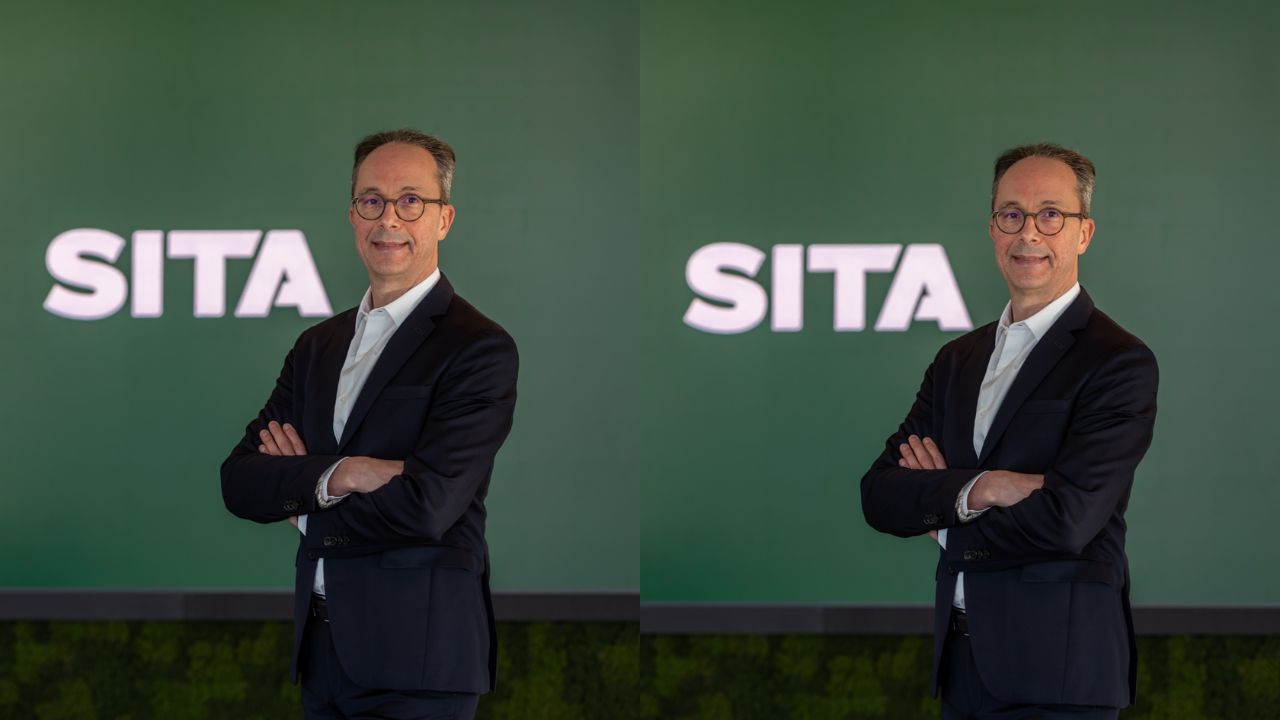
David Lavorell, CEO of SITA, said that with the number of passengers reaching 10 billion by 2050, technology is proving to be the most effective solution to serve more passengers from the existing infrastructure. He explained that this digital transformation is happening through the joint efforts of airlines, airports, governments and partners in the travel sector. According to the report, digital travel credentials and biometric verification in Aruba allow travelers to complete border checks in just 8 seconds, a 78 percent reduction from previous times. Also risk assessment of more than 271 million travelers every year is completed in seconds by SITA’s technology.
Artificial intelligence has also been widely used in aviation. SITA OptiFlight, an AI-based system, saved 1.27 lakh tonnes of fuel in 2025 by analyzing 29 lakh flights of 59 airlines. This helped in avoiding about 4.03 lakh tonnes of carbon dioxide emissions. AI-based management at Toronto Pearson and Abu Dhabi airports has also significantly improved aircraft turnaround times. Baggage management of passengers has also undergone a major change. SITA WorldTracer and Apple AirTag as well as Google’s location sharing facility have reduced the number of lost bags by 90 percent. The AI-based system at Thai Airways has reduced the time required to reassign misplaced bags from 3 minutes to just 1 second.
Truecaller Report : Call Key Kitchitch! Cut incoming unknown calls like? You are not alone, 79% of people do the same
AI is also proving effective in reducing weather-related delays. In a 2025 trial at the Reims Control Center in France, providing real-time weather information to controllers reduced weather-related delays by 65 percent. Meanwhile, during last year’s CrowdStrike technical outage, more than 460 flights continued to operate thanks to the SITA Maestro DCS system. SITA’s financial performance has also remained consistent with the company’s revenue reaching US$ 1.71 billion in 2025, which is 7 percent higher than the previous year. Compared to 2019, the company has reduced its carbon emissions by 32 percent and 90 percent of its offices around the world use renewable energy, according to the report.

Comments are closed.