
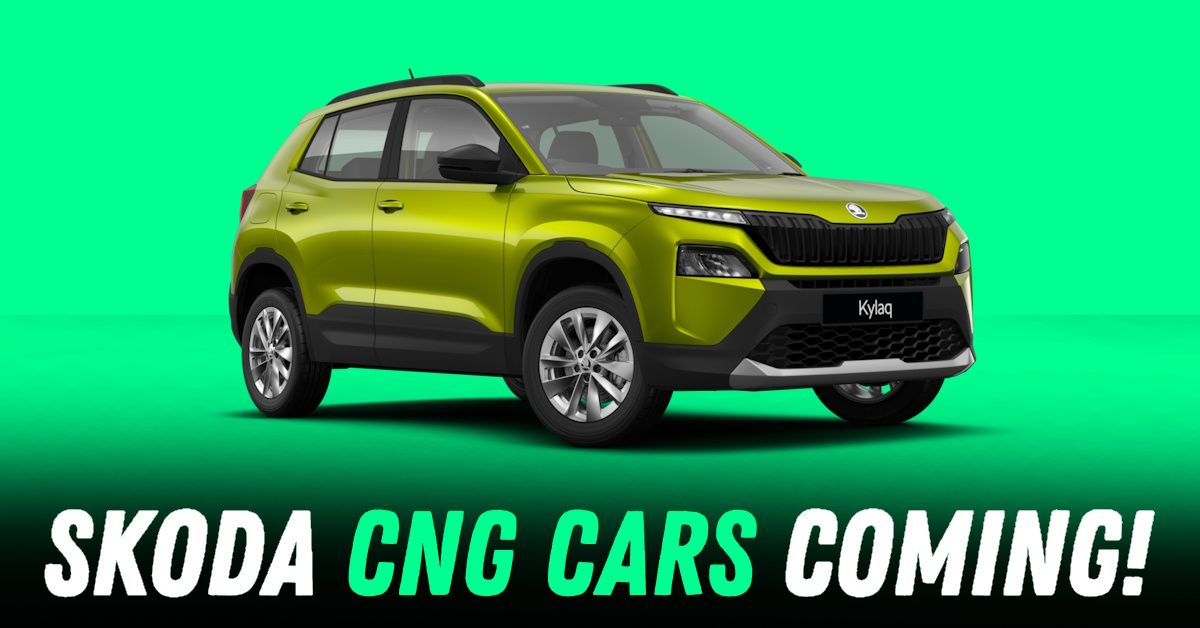

Skoda Auto is officially recalibrating its future product strategy for the domestic passenger vehicle market. Instead of relying entirely on a sudden transition to battery-powered vehicles, the automaker is shifting its focus toward a highly flexible, multi-energy approach.
The decision comes at a time when pure electric vehicle adoption is heavily lagging behind early industry forecasts and consumer interest in zero-emission cars is visibly cooling down. For prospective car buyers, this strategic pivot means the brand will continue to offer a diverse range of powertrains rather than forcing a rapid transition to fully electric models.
The company management has clearly acknowledged that an all-electric future is currently facing several immediate roadblocks. Skoda Brand Director Ashish Gupta recently highlighted that the market is grappling with a lack of consistent, organic demand for battery electric vehicles.
Sales data across the broader passenger vehicle segment shows that consumers remain highly hesitant to adopt electric vehicles as their primary household cars. Furthermore, shifting geopolitical dynamics, supply chain concerns, and constantly evolving regulatory frameworks have created significant uncertainties for automakers trying to finalize long-term capital investments. Rather than locking massive financial resources into a rigid electric-only roadmap, the brand is keeping its options completely open to adapt to actual consumer buying patterns and shifting market realities.
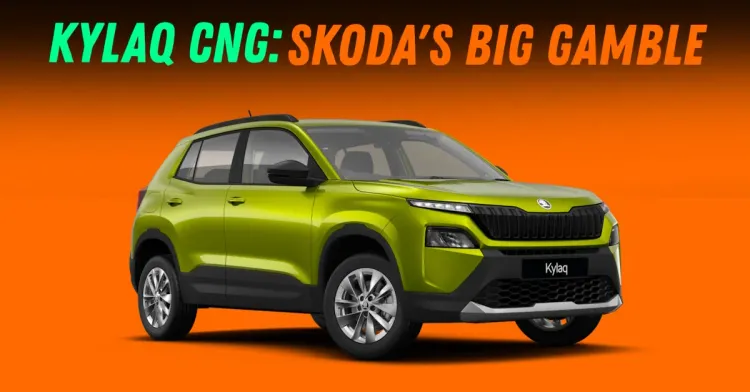
To maintain a sustainable business model, the company is actively exploring various alternative fuel technologies to sell alongside its traditional internal combustion engines. While the brand has historically relied on its punchy TSI turbocharged petrol engines, the management is now evaluating the technical feasibility of introducing strong hybrids, mild hybrids, and even factory-fitted CNG options. This broad spectrum approach allows the manufacturer to cater to buyers who want high fuel efficiency but are not yet ready to deal with range anxiety or the ongoing lack of reliable public charging infrastructure on the highways.
At a core engineering level, Skoda and its parent group Volkswagen are closely evaluating a localized multi-energy vehicle platform. This advanced architectural setup is being designed to support traditional petrol engines, complex hybrid setups, and full battery-electric applications on a single production line. By developing a highly flexible manufacturing base, the company can quickly adjust its production volumes based on whatever fuel type the market currently demands. This strategy drastically reduces financial risk for the brand and ensures that dealerships always have the exact product mix that consumers are actively searching for.

While the long-term powertrain strategy evolves, the company remains intensely focused on updating its current volume drivers. The core portfolio, which primarily includes the Kushaq midsize SUV and the Slavia sedan, will continue to receive substantial updates in the coming years. These upcoming updates are expected to bring newer safety features, upgraded technology, and potential mild-hybrid efficiency gains by 2028. The newly introduced sub-compact Kylaq SUV also plays a critical role in expanding the reach of the brand into lower price brackets, where petrol engines currently dominate entirely.
Alongside these locally manufactured vehicles, the company is planning to introduce more premium international models as fully imported units. This specific move mirrors the successful recent re-entry of the Octavia sedan, aiming to keep driving enthusiasts deeply engaged with the brand. Furthermore, the company anticipates a major shift in transmission preferences, projecting that automatic gearboxes will account for up to 80 percent of total sales over the next decade.
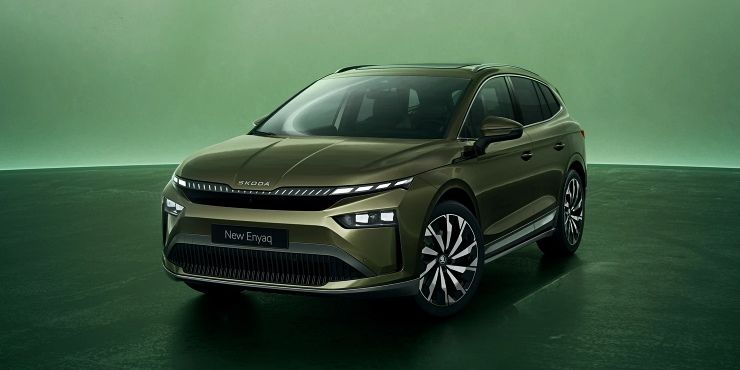
For buyers specifically waiting for a fully electric vehicle with a Skoda badge, the wait will be noticeably longer. The company has no immediate plans to introduce a mass-market electric car locally in the near future. While the brand possesses a massive electric vehicle portfolio in global markets, bringing those cars here requires a highly stable policy environment and clear signs of robust consumer demand. Until the zero-emission market shows consistent organic growth, the automaker is firmly betting that a flexible multi-fuel line-up is the safest and most profitable path forward.
Via ACP

Comments are closed.