


Effects of Sleeping with Wet Hair: After bathing in summer or in a hurry at night, many of us sleep on the bed with wet hair. This habit may sound harmless, but did you know that it can pose a threat to both your scalp and skin? This can be a major reason for dandruff, pimples and even hair loss.
According to dermatologists, sleeping with wet hair retains moisture and heat on the scalp, due to which fungus and bacteria grow rapidly. Its effects can be seen in the form of dandruff, itching, and scalp infection. Not only this, water and oil present in the hair reach the pillow and also harm the facial skin, which can increase the problem of pimples and acne.
Apart from this, wet hair starts breaking due to rubbing while sleeping and hair fall increases. If you are also a victim of this habit, then some easy changes like sleeping with 80-90% dry hair, using silk pillow covers and avoiding heavy hair products, can keep both your hair and skin healthy.
Hidden danger of sleeping with wet hair on scalp
Wet hair retains moisture for a long time, which makes it easier for bacteria and fungus to grow on the scalp. According to Dr. Sanjeev Gulati, in wet and hot environment Malassezia The fungus spreads rapidly, which causes dandruff and itching. If this happens for a long time, it can lead to scalp problems like seborrheic dermatitis. Additionally, constant moisture causes the scalp microbiome to become imbalanced, leading to irritation and flaky skin. If you are troubled by dandruff, then the best solution is to sleep after completely drying your hair at night.
Increasing problem of pimples and acne on face
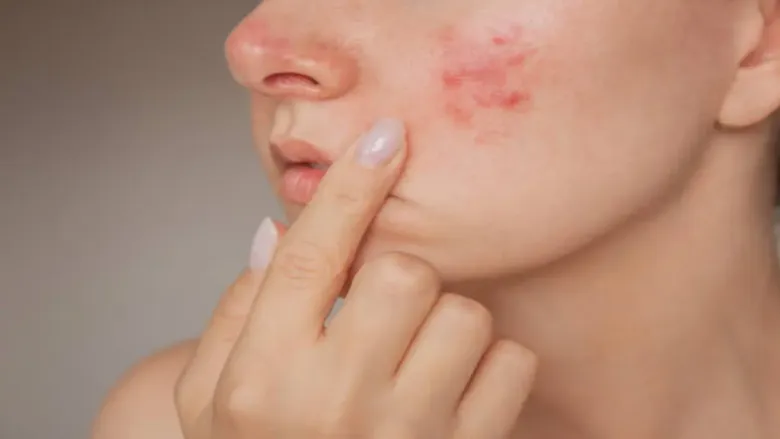
When you sleep with wet hair, water, hair oil and products get transferred to the pillow, which keeps touching the facial skin for hours. Due to this, the pores get blocked and the problem of pimples or acne increases. Especially if you already have fungal or hormonal acne, the combination of humidity and bacteria can make the skin condition worse. The accumulation of bacteria and yeast on pillowcase fabric also causes rashes and irritation on the face. Therefore, it is very important to dry the hair before sleeping and keep the pillow cover clean.
Relation between wet hair and hair breakage
When we sleep with wet hair, the hair is at its weakest. Hair strands can easily break due to tossing and turning while sleeping and rubbing against the pillow. Due to this, hair volume starts reducing over time and the problem of split ends can also increase. If you want to maintain the strength of your hair, dry them at least 80-90% before sleeping. By using a microfiber towel, you can dry your hair faster and also reduce damage.
Fungal Infections and Other Health Threats
Constantly sleeping with wet hair not only increases the risk of dandruff or pimples but also increases the risk of fungal infections. This can make the scalp red, itchy and painful. Cold humidity can also cause sinus headaches or pressure problems in some people, especially in winter. This habit over a long period of time can weaken the hair roots, leading to increased hair loss. Therefore, sleeping with wet hair is not just a beauty mistake but also a health risk.
Easy tips to protect scalp and skin
Even if you sometimes have to sleep with wet hair, some precautions can save your scalp and skin. Dry hair with a microfiber towel, use silk or satin pillowcases, and avoid heavy nighttime hair products. Sleep with a light braid or a loose bun to reduce friction. Keep pillow covers clean and change every week. With these small changes, you can avoid dandruff, pimples and hair damage, and keep both hair and skin healthy.

Comments are closed.