

Highlights
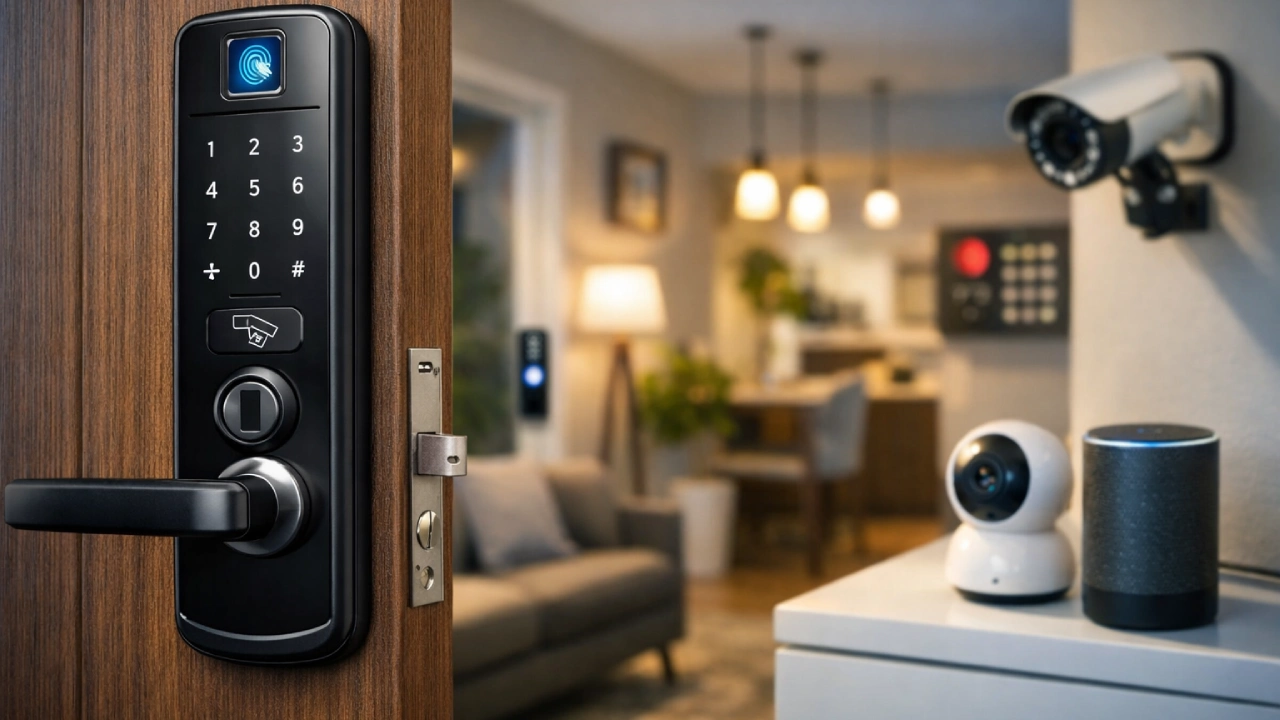
- Smart door locks in 2025 offer improved fingerprint recognition, PIN, RFID, and mobile app unlocking with WiFi/Bluetooth for secure and convenient access.
- Enhanced build quality, long battery performance, and anti-tamper protection strengthen home security across apartments and independent houses.
- Seamless integration with smart home ecosystems like Google Home, Amazon Alexa, and Apple Home boosts home automation and smarter daily routines.
Smart home technology has remarkably moved from mere luxury to necessity. Smart locks are at the center of the security debate as the most important connected devices. The question inevitably comes up whether smart locks can be considered secure, stable, and reliable enough to replace the mechanical lock in 2025 in homes when families are already adopting app-controlled lighting, voice assistants, and smart cameras.
The Indian market, in particular, has been exceptionally quick to expand over the last couple of years. With the price of fingerprint-based locks coming down to the level of conventional locks, and brands launching the WiFi/Bluetooth-enabled locks with tamper alerts and OTP access, the Indian homeowners’ perception of the usability of smart locks is changing.
This article is an evaluation of the working of smart locks, their benefits, their vulnerabilities, and the date when they become a practical choice of 2025 for real homes.
What Smart Door Locks Are Capable of Today
The smart locks of 2025 have evolved greatly from their earlier versions, which were merely keypad systems. They are now offering a multitude of features such as heavy-duty security and automation.
Different Modes of Access
New generation locks generally feature a combination of various unlocking methods:
- Fingerprints
- PIN/password
- RFID card
- Mobile app unlocking through Bluetooth/WiFi
- One-time codes
- Mechanical key
- Remote unlocking through smart hub or cloud
In most cases, people utilize a combination of fingerprint and keypad; however, remote unlocking is mostly for guests or service staff.
Higher Accuracy in Fingerprint Recognition
Old fingerprint recognition systems used to deny access to people with wet, oily, or dirty fingers. By 2025, new optical and capacitive sensors will deliver better recognition accuracy and quicker unlocking. The best sensors today can recognize a fingerprint in less than a second, thus minimizing the user’s irritation and the incidence of false rejections.
App Integration and Access from Afar
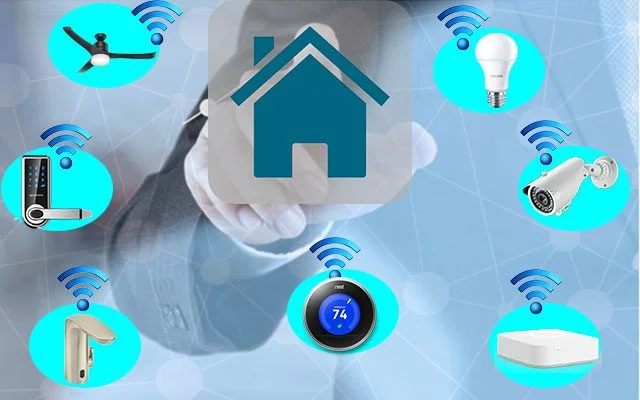
Mobile applications provide the following:
- Open the door from any location
- Access logs that can be searched
- Guest access for a specified period
- Alerts for attempts or unauthorized activity
- Battery power warning
This access from afar is a great security feature and also provides convenience for the families of frequent travelers or working parents.
Smart Home Ecosystems Integration
The integration of smart locks has now become more seamless with:
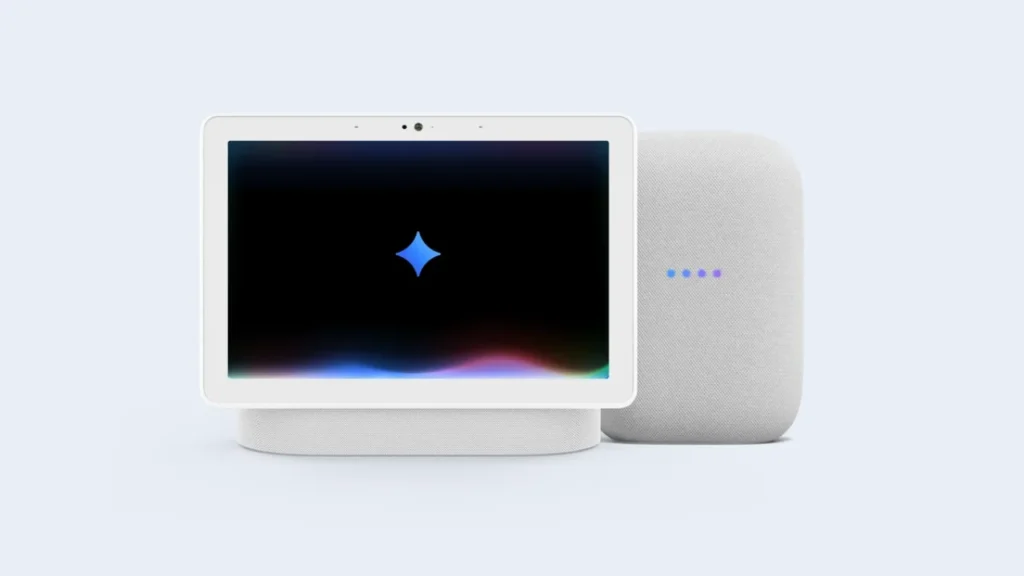
- Google Home
- Amazon Alexa
- Apple Home
- WiFi video doorbells
- Smart security cameras
- Alarm systems
Thus, the following daily activities can be performed:
- Securing all doors when the user goes out
- Automatically activating the alarm during the night
- Switching the lights on at the entrance when the door is unlocked
The ecosystem is now even more robust compared to two years ago.
Hardware Developments in 2025
The problem of durability was one of the major criticisms directed towards the first generation of smart locks. Hardware improvements by the manufacturers have been great.
Increased Build Quality
Most of the premium locks are now made with zinc alloy frames, stainless-steel bolts, and weather-resistant coatings.
These have been designed to endure:
- Daily common usage
- Very humid conditions during the monsoon season
- The sun’s heat to a certain extent
- Minor bumps and knocks
This quality increases the locks’ appropriateness for Indian conditions.
Enhanced Battery Performance
The battery life of smart locks has been extended, owing to the introduction of low-power chipsets. Alkaline batteries last about 6 months to 1 year, while lithium cells last even longer.
The majority of locks notify the user about the low battery multiple times and provide USB emergency charging for outside access.
Anti-Tamper Protection
Smart locks of the year 2025 generally come with the following features:
- Detection of bolt force
- Detection of door pry
- Siren for alarms
- Smartphone alerts in real time
These capabilities provide a proactive security mechanism, which is the opposite of traditional locks that only respond after a break-in has occurred.
Are They Safe? Understanding Security Strengths and Risks
No security system is without flaws. Smart locks reinforce the security barrier but also introduce new digital vulnerabilities.
Strengths
- The multi-layer security system makes it very difficult to get through.
- The majority of devices use encryption to secure communication between the app and the server.
- Mechanical keys are still there in case the electronic ones fail.
- Logs and alerts enable fast detection of any unauthorized activity.
Vulnerabilities
- PIN might be visible if a person notices you while entering it.
- Using insecure WiFi networks might allow unauthorized access to some parts of the application.
- Inferior and low-cost fingerprint sensors may incorrectly read or fail to read.
- Locks made of very low-cost materials may not comply with the encryption standards.

A fundamental difference between the traditional and modern locks is the digital security, which is based on both the devices’ and the user’s network hygiene. If the home WiFi is safe and the passwords are strong, the risks are manageable.
Installation and Maintenance Considerations
Installation Quality
The performance of the smart lock is directly related to the quality of its installation. Misalignment, door frames that are not tight, and doors that are thin can all contribute to a reduction in performance. It is highly recommended to have it professionally installed.
Firmware Updates
Smart locks need regular software updates for security patches, just like smartphones. Good brands will keep updating their locks; cheaper brands may not. This is a very important factor for safety in the long run.
Day-to-Day Use
Fingerprint sensors need to be cleaned from time to time. Battery replacement needs to be done at regular intervals. This maintenance is not difficult for the majority of households, but it still needs to be considered.
Are Smart Locks Suitable for Indian Households?
India has a variety of living scenarios. In different situations, smart locks will have different performance levels.
Apartments
Smart locks are suitable for apartment buildings as they provide the following advantages:
- No or minimal weather impact
- Reliable WiFi connection
- Visitors and delivery personnel can use OTPs
- Security cameras and doorbells are easier to connect
Independent Houses
These houses need stronger resistance to the weather. Outdoor misuse models are required. Since physical tampering is a common risk, anti-pry alarms become important.
Families with Elderly Members
Fingerprint unlocking is the very feature that could make a good quality sensor-based locking system an extremely user-friendly option for the elderly, who normally have difficulty dealing with keys. Emergency PIN or card access should be provided as well.
Students and Renters
Smart locks might not be the very best option, as landlords typically do not permit their installation unless the tenant agrees to pay for removal afterward.
Cost and Value Analysis
There is a wide range of Smart locks available these days, from the very low-cost and entry-level to the super high-end and luxurious. Their price depends on:
- Type of material used
- Methods of access provided
- Features of applications
- WiFi vs. Bluetooth models
Compatibility with certain ecosystems
Long-term users of smart locks get the sweetest deal in terms of layered security and convenience. However, the buyer still needs to factor in maintenance, battery life expectancy, and brand reliability when making their decision.
Future Outlook: What 2026 and Beyond Might Bring
Smart lock technology is predicted to burgeon in the following areas:
- More extensive adoption of AI-powered behavioral authentication
- Biometric processing that is even faster
- Offline-fallback modes that are more dependable
- National smart-home standards that are stronger
- Batteries that are more efficient
- Local encrypted storage that enhances privacy
With complete smart-home setups, smart locks will eventually become an integral part of home security systems in every household.
Conclusion
Smart door locks in 2025 have become a very high-quality, long-lasting, and highly secure option for a large number of households that will not be able to do without them. Enhanced fingerprint recognition, sturdy construction, and integration with smart ecosystems have all contributed to making them a great upgrade for today’s homes.
Nevertheless, buyers will have to select reliable brands, keep their home WiFi safe, and take care of proper installation. Smart locks provide a higher level of security, more convenience, easier automation, and better control than what has been possible with traditional locks. For apartments, busy professionals, tech-savvy homes, and families desiring modern solutions, smart locks are already available in 2025 for daily use.

Comments are closed.