

Highlights
- Smart home hubs now act as the central control system for daily connected living
- Alexa Echo, Google Nest, and Apple HomePod reflect different smart home ecosystems
- Choosing a smart home hub depends on assistant intelligence, privacy, and long-term ecosystem fit
Ten years ago, the market had very limited options when it came to smart speakers; they were experimental devices. In 2025, they have silently developed into whole-house wiring. Hubs are now undergoing a metamorphosis as digital concierges that are not just present but even incorporated inside the house.
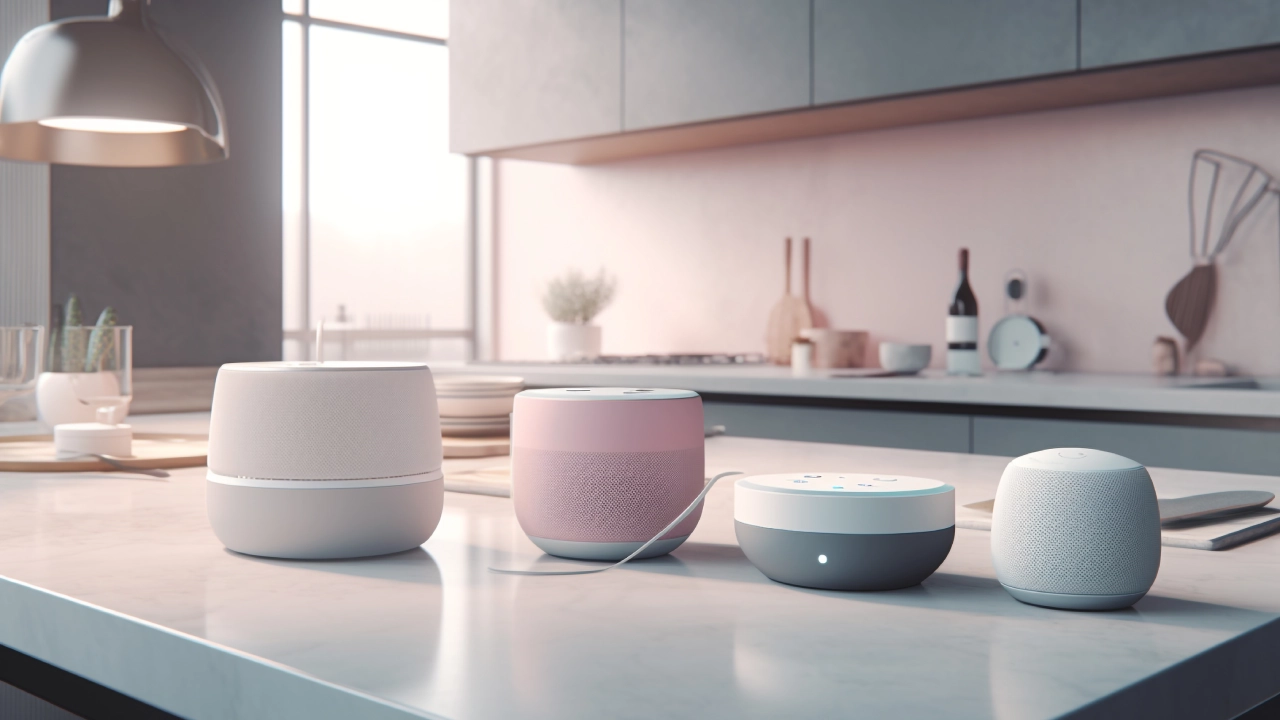
Still, even if Amazon Echo, Google Nest, and Apple HomePod all perform the same function, they embody three sharply contrasting views of what a “smart home” would imply. Amazon is turning its back on quality and is focusing on quantity by making its product compatible with as many devices as possible, while Google is developing its product through contextual intelligence, and Apple gives utmost importance to privacy and the flawless synergism of its devices within its ecosystem.
It is only by extending one’s views beyond mere specifications that one can truly understand which hub is best suited for a household today, and that is by observing how these assistants behave, learn, adapt, and integrate into the daily lives of their users over long periods of time.
Alexa Echo: The Smart Home Generalist
Amazon’s Echo lineup remains the globally most widely adopted smart home platform mainly because the Alexa was designed primarily as a device controller and not as a lifestyle assistant. The practical result of this design consideration was that Alexa could control virtually any device, ranging from cheap smart plugs to sophisticated home security systems.
For users who want to build a smart home from the ground up, Echo’s neutrality is its strength. Alexa will get along well with the products of hundreds of manufacturers, thus making it the least restrictive option for households having various brands. Voice commands are simple, routines are pretty easy to set up, and being incompatible is an unlikely situation.
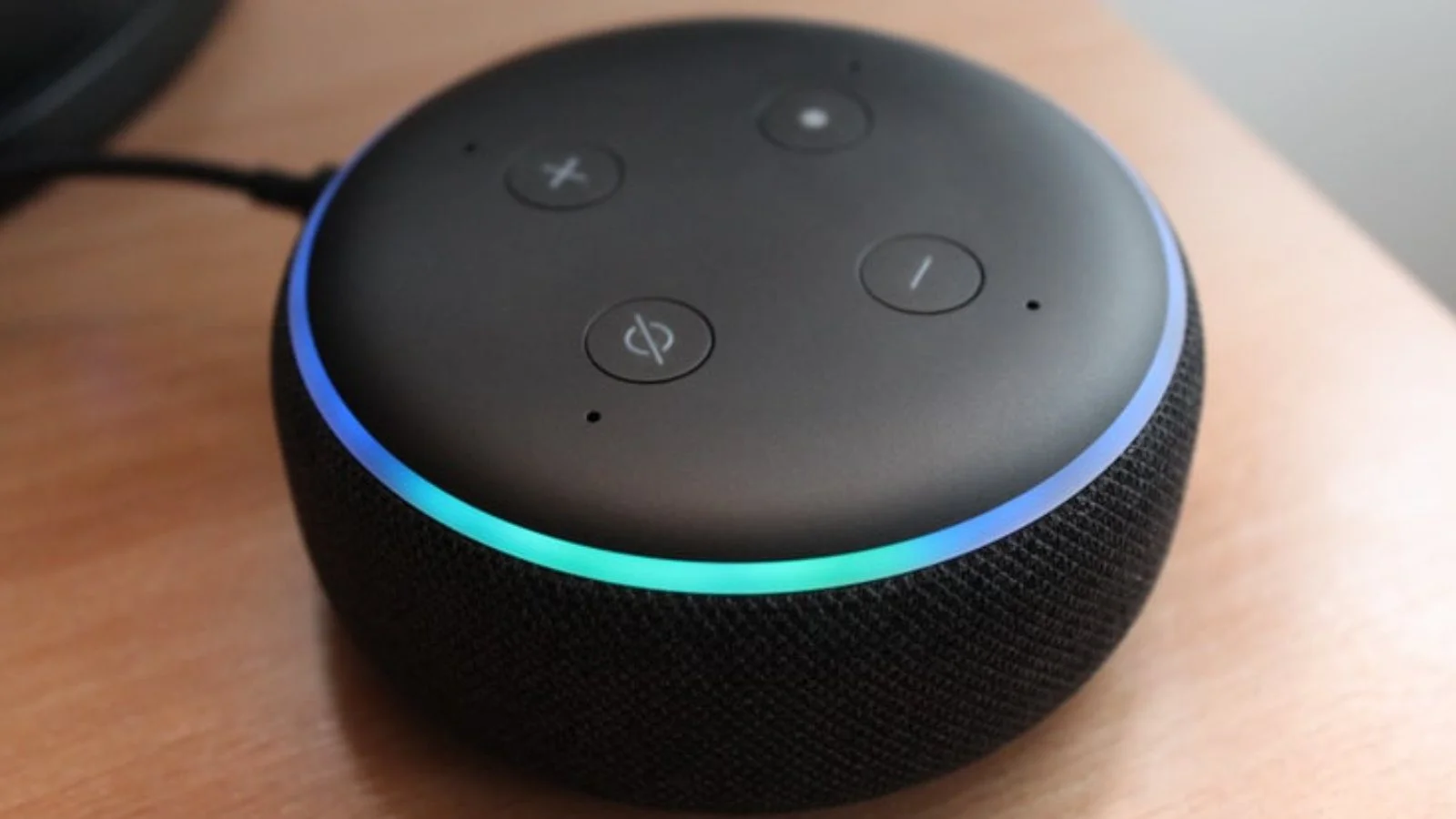
Nonetheless, the intelligence of Alexa is perceived to be very static. Although it performs commands very well, it still lacks understanding of context and flow of the conversation as compared to its competitors. One has to very often use the exact words for the requests, and the system is prone to misunderstanding the follow-up questions. Amazon’s preference for commerce and integrations has meant that the deeper assistant evolution has to slow down.
Across the Echo models, sound quality is a unique feature and also a main drawback of each model. While the premium variant fills the room with the sound that is music, the entry-level devices compromise the sound by being low-priced. This fragmentation is a reflection of the wider strategy of the Alexa: Accessibility first, Refinement second.
Google Nest: Intelligence at the Center
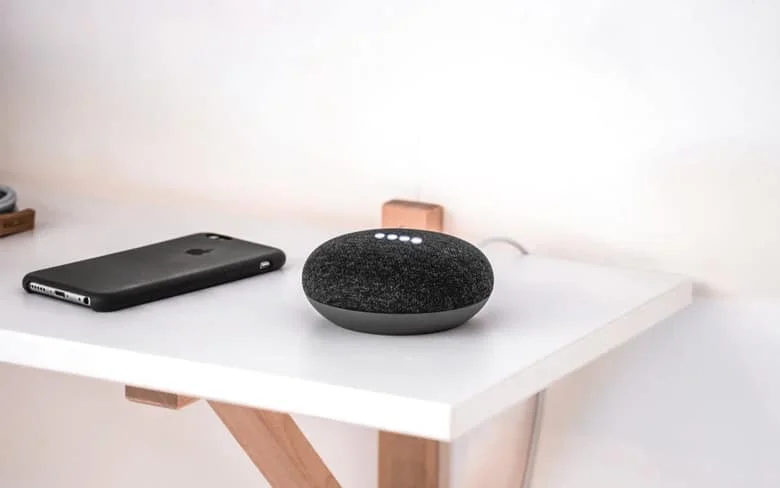
Google Nest takes the role of the smart home’s main brain. Thanks to the Google Assistant, Nest products are the best in the market when it comes to interpreting natural language, context, and intent. Users are allowed to engage with the system in a more human and less mechanical way since they can ask general or informal questions and still get precise answers.
The main forte of Nest devices is the processing of information. Calendar changes, traffic notifications, weather forecasts, and reminders are all incorporated smoothly and powered by the data infrastructure that Google has built up and is unrivaled by others. In households with multiple users, voice recognition works consistently and delivers personalized responses according to the person speaking.
Google’s device integration is good, but not as widespread as Alexa’s. Google chooses quality over quantity; thus, certified devices and more profound software alignment are the characteristics of its integration. This strategy simplifies the problem of compatibility chaos, but at the same time limits the options for users who are looking for specific or cheaper accessories.
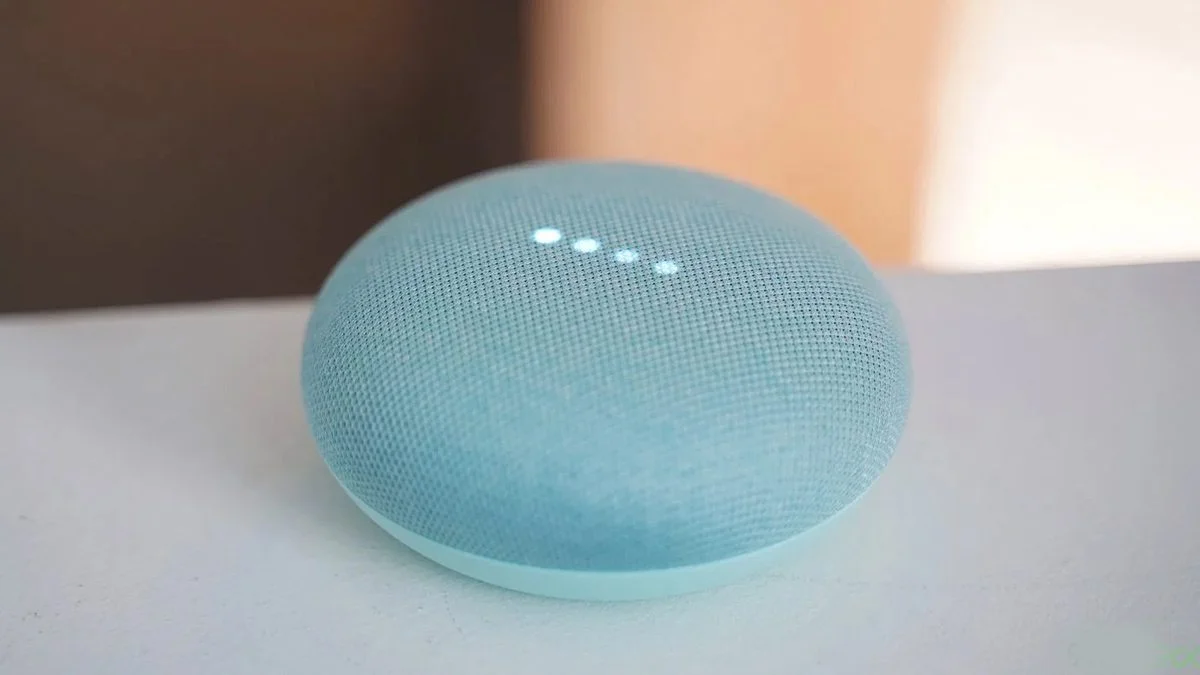
Nest speakers have a balanced and clear audio output that rarely reaches the level of the best in the industry. Google seems to be more focused on making voices sound natural and detecting commands accurately than on defeating high-end audio systems in direct competition.
Apple HomePod: Privacy and Polish Above All
Apple’s HomePod stands out in a very singular way in the market of smart hubs. Not attempting to cater to everyone’s needs, it applies as a luxury add-on to the Apple Universe. The HomePod for the users of iPhone, iPad, and Mac is immediately close and akin to nothing but the Apple design and software philosophy in its midst.
HomePod has consistently held the lead over its contenders in the aspect of sound quality. The smallest among the models, too, produces sound of rich quality and with high awareness of the space around, and that sound adapts to the acoustic features of the room. For music enthusiasts who rely heavily on Apple Music, HomePod is a high-end speaker, not a mere voice assistant terminal.
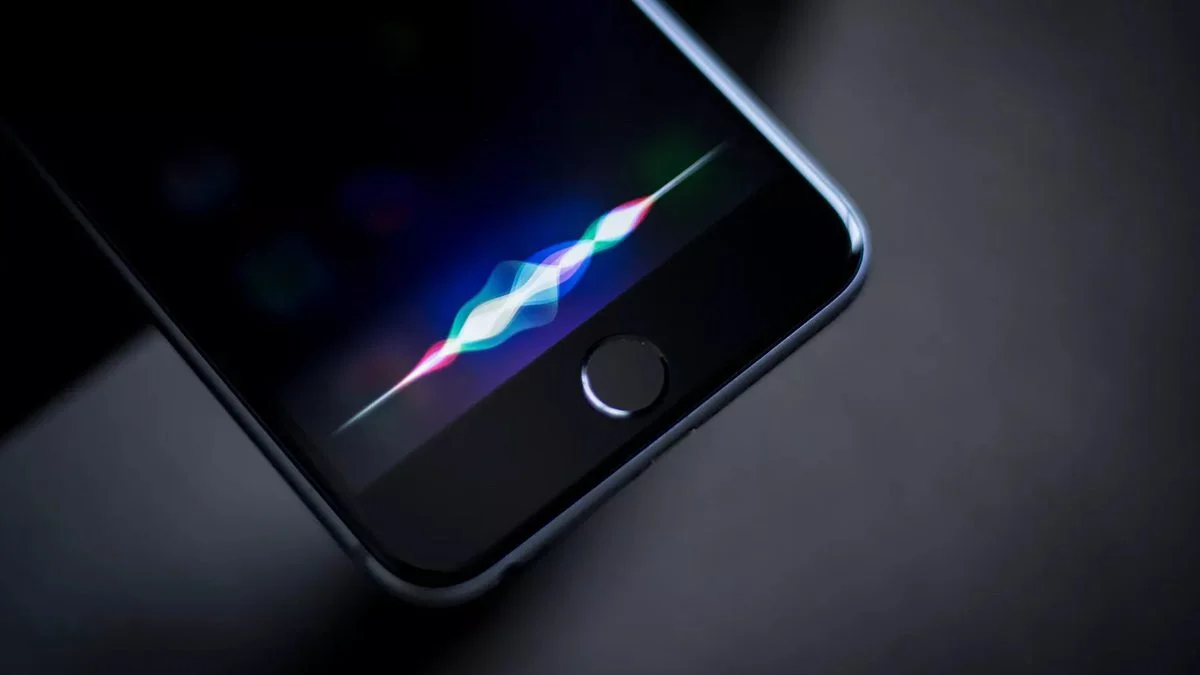
However, Siri is still the weak point of the system. Although the voice assistant has become more reliable and quicker thanks to the on-device processing, it still cannot hold a candle to Alexa and Google Assistant when it comes to the depth of the conversation and the amount of third-party knowledge. One of the factors that limits Apple’s commitment to privacy is how much contextual data Siri could access. Thus, Siri’s interactions are safer, but less dynamic.
HomeKit interoperability is another limitation. The smart home framework of Apple is secure and stable, but less device-compatible, and frequently it requires certified hardware that tends to be more costly. The outcome is a smart home that feels very much like a gallery of electronics rather than an oversized one.
Smart Assistant Intelligence: Control vs. Conversation
The distinctions between Alexa, Google Assistant, and Siri are most visible in everyday life. Alexa, in particular, is a great help when it comes to giving direct commands rapidly, especially when it comes to controlling a large number of devices. Google Assistant is like a lively companion, who is able to see the needs and even provide suggestions. Siri, on the other hand, works very much behind the scenes, only stepping in when called upon directly.
Such disparities affect the interaction of the users with their homes. Alexa is the choice of users with clear and organized routines who want to have exact control. Google Nest is the one that attracts the users who desire a lively, talkative assistant. HomePod caters to users who appreciate quietness and lack of disturbance.
Multi-User Experience: Who Does the Home Belong To?
In the case of separate households, the need for multi-user support is absolute in the case of Google Nest. The latter, going ahead in this respect, provides precise voice recognition and gives personalised replies in the areas of calendars, reminders, and even media preferences. Alexa allows several profiles but has a hard time keeping the context apart, making it often fall back to the primary account. HomePod has a very basic user recognition system, and each user is assigned a very limited range of personalization in order to secure privacy.
In the case of families, the Google way does feel like the most natural, while Apple’s way does feel like the most cautious.
The Ecosystem Question
The question of the Ecosystem boils down to the home hub choice, which becomes inseparable from loyalty towards one ecosystem. Alexa works best with a cluttered device setup. Nest Home is in its element when it comes to Google’s services. HomePod is most powerful when used with Apple gadgets.
Later on, switching to a different ecosystem may be a hassle, and thus, a particular platform may end up being chosen for the long term. In this way, the smart home hubs are not like gadgets that can be easily replaced, but more like basic infrastructure decisions that need to be made for a long time.
Conclusion: No Universal Winner, Only Better Fits
The year 2025 has seen the smart home hub market become mature, but it has not seen any convergence. The three giants, Amazon, Google, and Apple, keep on going with different customers’ needs that are determined by their general company visions.
Alexa Echo is still the best overall choice, which is the most flexible and user-friendly, particularly for those who care about the compatibility of devices. Google Nest offers the most intelligent and conversational experience, which is the best fit for information-driven families’ households. Apple HomePod gives an exceptional audio quality and privacy-conscious integration for those who are already part of the Apple ecosystem.

Comments are closed.