

Highlights
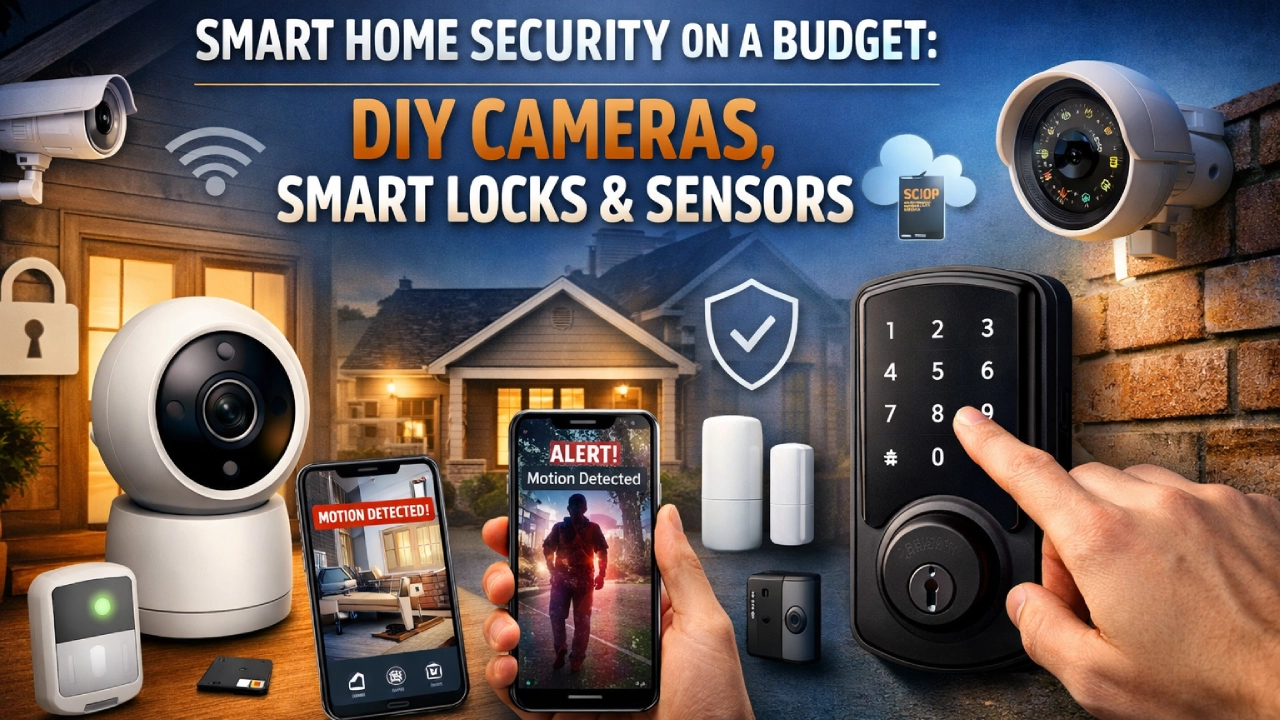
- Smart home security has become affordable in 2026, with DIY security systems using budget security cameras, smart locks, and motion sensors offering reliable protection without high upfront costs.
- Subscription costs, local storage, cloud storage, and privacy concerns play a bigger role than device price when choosing a budget smart home security setup.
- A well-planned smart home security ecosystem focused on entry points and network reliability delivers better results than buying isolated gadgets on a tight budget.
Introduction: Security is No Longer a Big-Budget Affair
Home security was frequently a pricey commitment. Professional installations, extensive contracts, and exclusive hardware mean that smart protection seems unaffordable for many households. But this is no longer the case.
In 2026, the market for budget-friendly smart home security gadgets is very vast, the installation is easy, and the capabilities are surprisingly broad. Individual parts like DIY cameras, smart locks, motion sensors, and alarms can be bought or put together to create modular systems that compete with traditional setups.
In fact, the accessibility issue is no longer there; it is a matter of making the right choice. It is important to realize that the market is flooded with cheap options, which means the knowledge of what really provides reliable protection is more valuable than the price tags.
Getting to Know the DIY Smart Security Systems
The DIY smart-home security setup is a realm apart from the traditional monitored systems. Users are not dependent on professional installers and central monitoring centers anymore, but rather configure the devices themselves via mobile apps.
This method of operation leads to lower costs and greater flexibility. Devices can be purchased dynamically, transferred between properties, or completely withdrawn without any bad consequences. This convenience is very important for renters and budget-conscious homeowners.
But at the same time, DIY systems come with a user responsibility. The key to effectiveness is the proper placement, configuration, and maintenance.
Budget Security Cameras: Features That Matter
Most of the smart security setups are mainly built around cameras. The affordable models of the present day have come to offer all the features, such as high-definition video, night vision, motion detection, and mobile alerts, that were regarded as premium in the past.
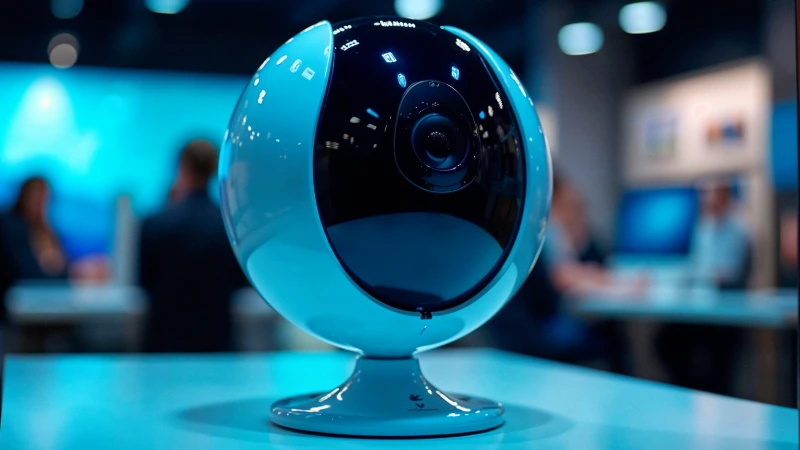
Good budget cameras are not defined by resolution only. Besides that, constant connectivity, accurate motion detection, and clear night footage are all more important than the specifications of marketing.
Field of view and placement flexibility definitely are very important considerations, too. A cheap camera in the right location often can do better than an expensive one in a bad place.
Indoor vs Outdoor Cameras on a Budget
Indoor cameras are usually less expensive, and the installation is less complicated. They are used to watch over the entryways, the neighborhoods, and the valuables. Indoor cameras placed well can give extensive coverage for apartments and smaller houses.
Outdoor cameras are exposed to greater challenges. Resistance against rain and extreme conditions, night optics, and other performance indications are important factors. The budget outdoor cameras have started providing users with outfitted durability, but the customer still has to very carefully read the environmental ratings before purchasing.
The outdoor cameras with very little resistance to harsh conditions can lead to severe replacements, thus negating the initial savings.
Smart Locks: Convenience Meets Caution
Smart locks tend to be the most debated security enhancement. The concept of digitally managing physical access is a nightmare for many users, especially when the financial aspect is involved.
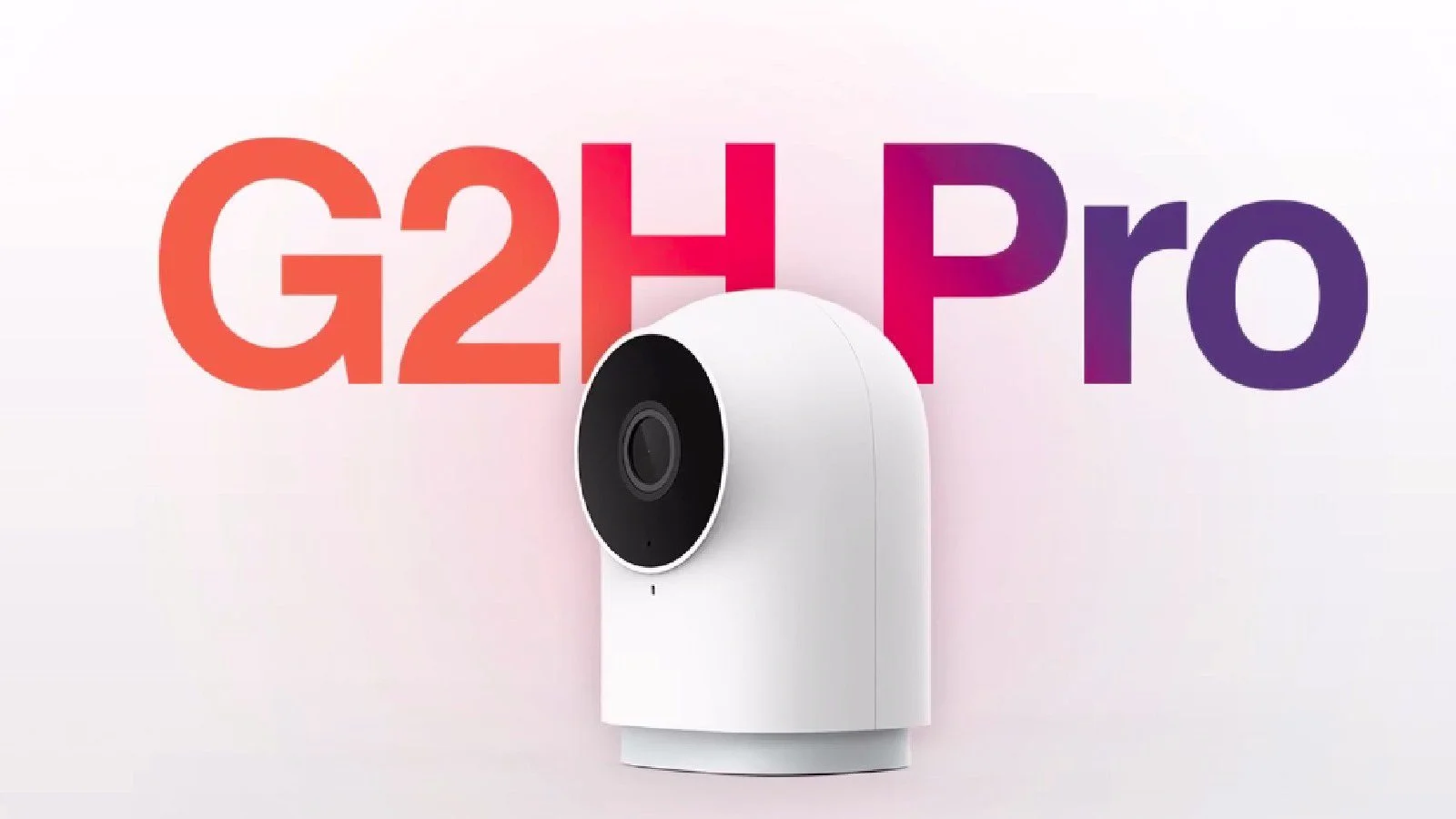
In reality, the initially inexpensive smart locks have proved to be quite dependable. They come with all the features like keyless entry, remote locking, access logs, and the provision of temporary digital keys for guests or service providers.
The crucial factor is the physical reliability aspect. A smart lock should primarily be a solid lock and secondly a smart device. Factors like battery life, manual override choices, and build quality are more critical than app functionalities.
Motion Sensors and Entry Sensors
Motion detectors and door/window sensors rank among the cheapest and most efficient security solutions on the market. They give an early warning instead of showing visual proof.
The low-cost version of the sensors usually makes use of passive infrared detection and magnetic contacts. They are not as complicated as cameras, but they won’t be less susceptible to false positives either, and their upkeep is minimal.
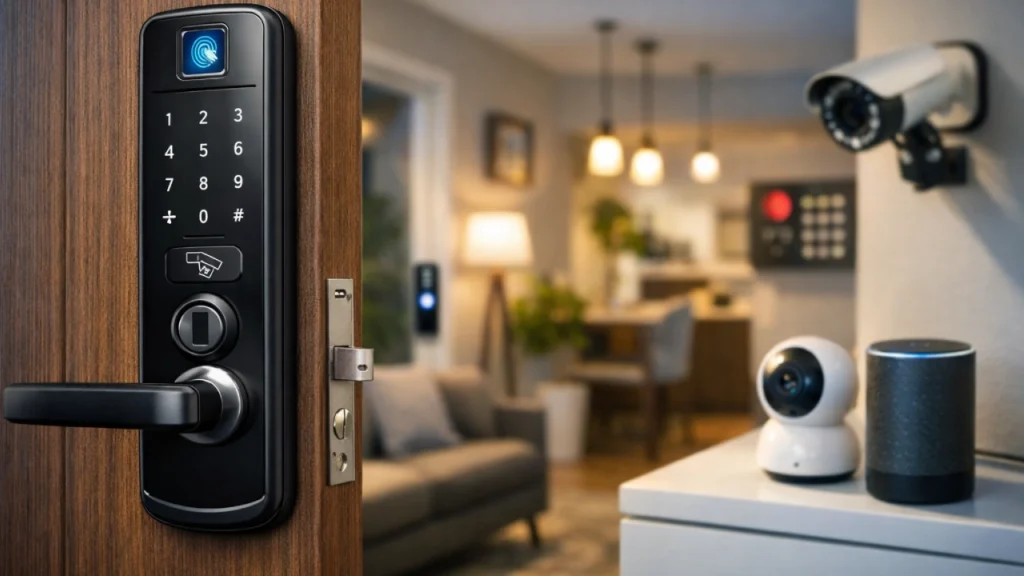
When put in the right positions, the sensors can do the job of several cameras so that the budget remains low without giving up awareness.
The Subscription Question: Hidden Costs Add Up
Performing an ongoing cost analysis is one of the most significant factors to consider while evaluating budget smart security. A good number of gadgets necessitate the payment of subscriptions for things like cloud storage, advanced alerts, or AI-based detection.
A low-priced camera coupled with a costly subscription may actually cost you more in the long run than a camera that is slightly pricier but has local storage. So it is vital to be aware of the features that are inaccessible without payment.
There are users indeed who will prefer the system that allows the basic functionality to be available without subscription, especially when it comes to long-term use.
Local Storage vs Cloud Storage
Local storage gives you the benefit of privacy and no recurring payments; however, it necessitates the use of memory cards or local hubs. Cloud storage also gives you the benefit of being able to access your files from anywhere; however, this comes with a price.

Users with a limited budget will have to weigh the pros and cons of convenience against cost. A lot of households would prefer the hybrid method, where local storage is used for daily recording, while the cloud is used to back up critical events.
Security includes not only the devices but also proper data handling.
Reliability and Network Dependence
Smart security devices are very much dependent on Wi-Fi connectivity. A weak network may cause delayed alerts, lose footage, and thus render the device unreliable.
Users should check their home network before buying the devices. Sometimes, a stable router and a proper position can improve security more than new hardware.
Cheap devices will not tolerate bad connectivity and thus are very much dependent on good network planning.
Privacy and Data Concerns
Inexpensive devices are usually cloud-based ones that rely on third-party vendors’ infrastructures. So, concerns regarding data access, storage, and security are raised.
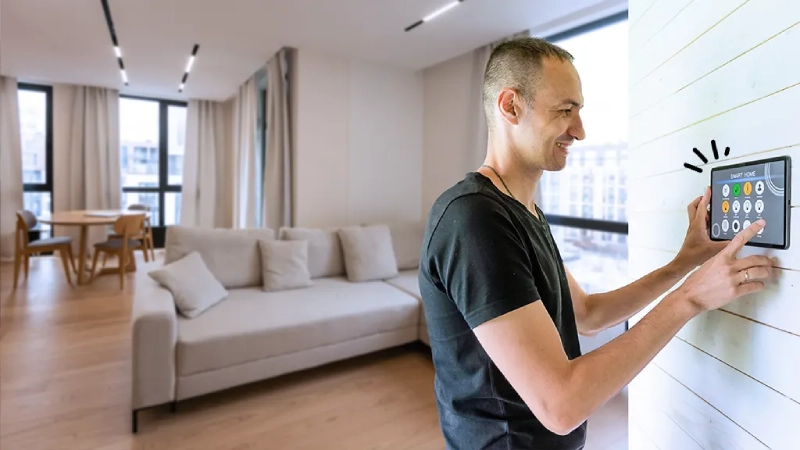
The users have to do the privacy policy review very carefully. Knowing who owns the video, how long it is kept, and how it is protected is part of responsible usage.
Security measures for the budget category should not affect users’ privacy negatively.
Building a Balanced Budget Security Setup
In an intelligent security system, cameras placed in every corner are not a necessity anymore. What is really required is recognizing the risk and setting a priority list.
Focusing more on entry points is a good policy. The use of motion sensors is really helpful for camera security. Smart locks are really convenient, but not necessary.
A planned security system provides more security than a crowded one and that too especially if the budget is tight.
Who Should Choose DIY Budget Security?
The do-it-yourself (DIY) smart-security system is perfect for people living in rented apartments, small families, and tech users who know how to do basic installations. It is a system with the advantages of being flexible, inexpensive, and giving the customer full control.
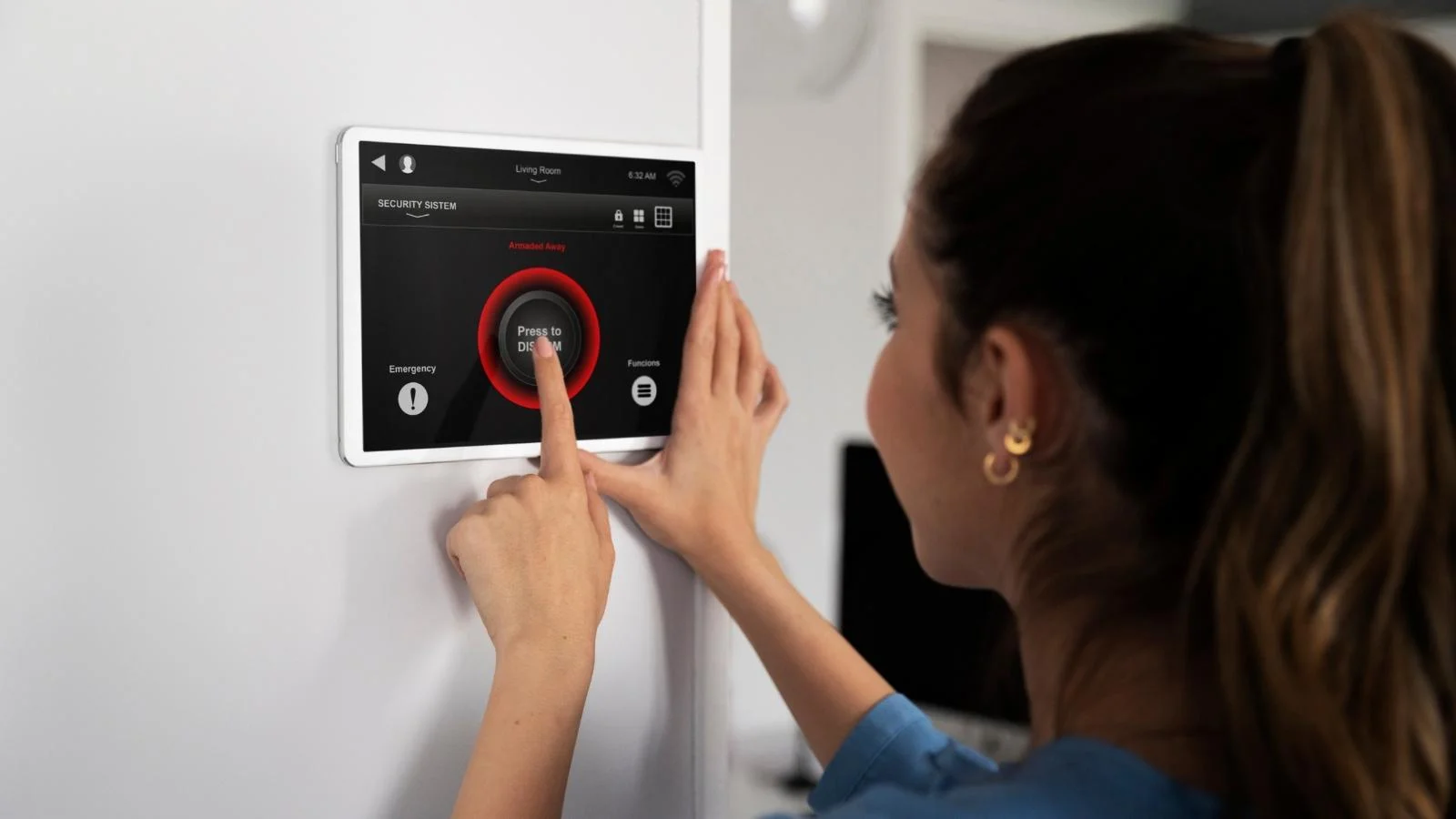
At the same time, it is not suitable for people wanting professional monitoring or being involved to the least possible extent.
Clear expectations prevent bad disappointments.
Conclusion: Affordable, Capable, and Worth Doing Right
There is no longer any compromise with smart-home security in a low-budget scenario. Affordable yet meaningful protection can be offered by cameras, locks, and sensors, provided that they are carefully selected and used wisely.
The trade-offs are the factors determining the importance of every aspect: subscriptions, privacy, reliability, and maintenance. Budget setups favor savvy consumers over impulse buyers, who are informed of their decision.
Security is not about making more expenses; it is about good planning.

Comments are closed.