
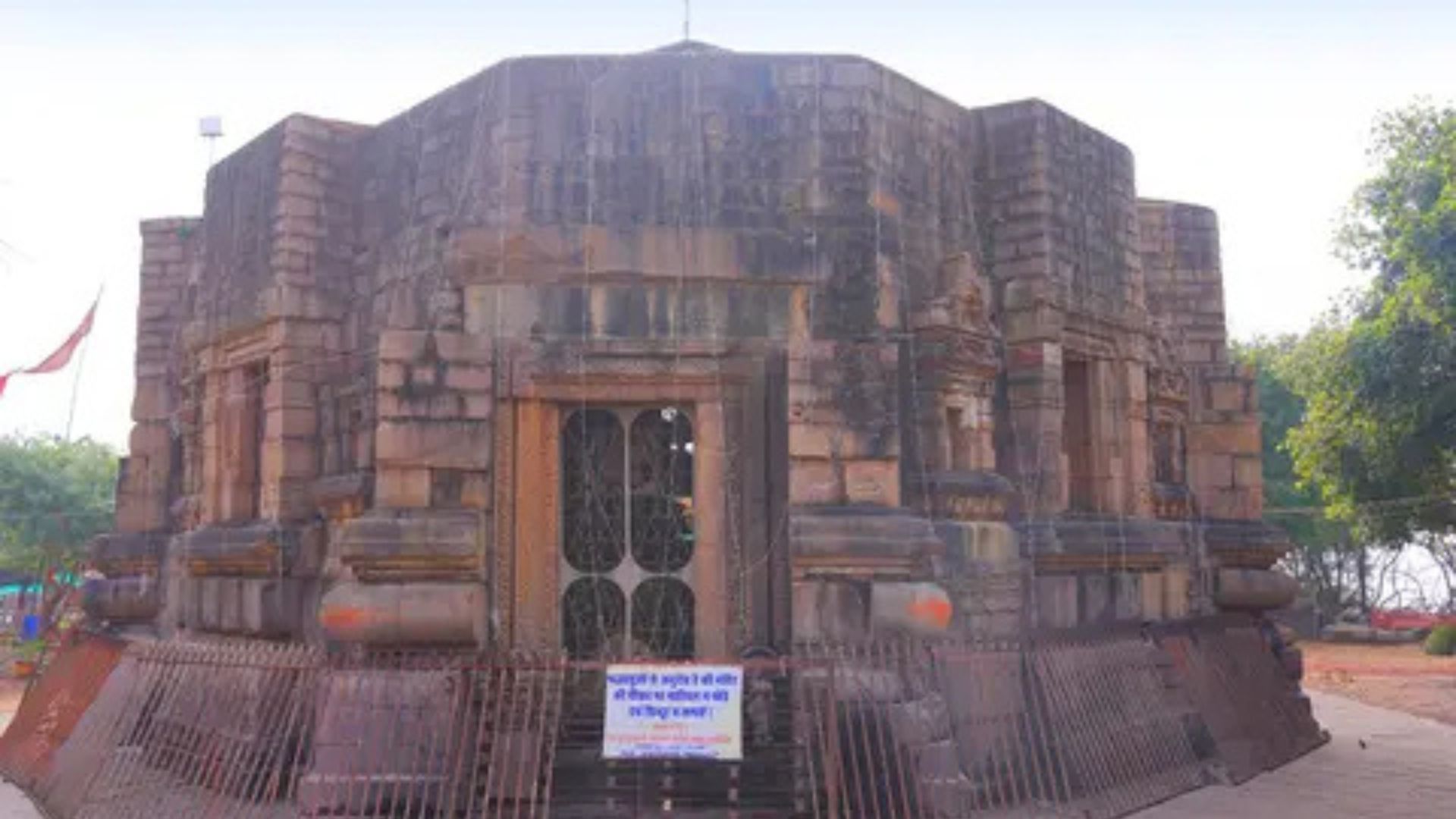
Sometimes pink, sometimes brown! The color of Shivalinga changes thrice a day in this temple

There are thousands of ancient and unique temples in India but Maa Mundeshwari Temple located in Kaimur district of Bihar has its own identity. This temple is dedicated to Goddess Maa Mundeshwari. Every year during Navratri, lakhs of devotees reach here to have darshan of Mata. Along with the idol of Mother Goddess, Panchmukhi Shivalinga is also installed in the temple, which is a center of special attraction for the devotees. It is believed that this Shivalinga changes its color about three times a day. Let us know the facts related to this-
Maa Mundeshwari Temple, located on the Pavra hill of Kaimur district, is a priceless part of the cultural heritage not only of Bihar but of entire India. Let us know about some interesting and special things related to this temple.
Also read- Not gods and goddesses, dogs, bears and monkeys are worshiped in these temples.
Main features of the temple
Octagonal Architecture: This temple is one of the very few octagonal (8 cornered) temples in India. According to the Archaeological Survey of India (ASI), this temple dates back to 108 AD making it one of the oldest temples in India.
Changing color of Panchmukhi Shivling: The Panchmukhi Shivalinga established here has its own scientific and spiritual glory. Depending on the angle of the sun’s rays, the Shivalinga appears to change color three times a day-
- Morning: Light red or pink
- Afternoon: coppery or dark yellow
- Evening: brown or black
Why does the color change?
According to experts, the main reason for the change in color of Shivalinga is the angle of the sun’s rays and the nature of the stone. The temple is constructed on a high hill. The sanctum sanctorum of the temple is designed in such a way that the sun’s rays fall on the Shivalinga from different sides at different times of the day.
When the direction of light changes, the color of the stone also changes, sometimes appearing red, saffron and in the evening it appears blurry or black. People believe that this is not a physical phenomenon but a miracle of Lord Shiva.
Also read- What was the world like when Jesus Christ was born? Historian revealed secrets
ritual of sacrifice
There is another unique tradition in this temple in which a goat is sacrificed but it is not killed. The priest throws rice on the goat while chanting mantras and the goat becomes unconscious for some time. After this the puja is completed and again rice is sprinkled on him and he is brought back to his senses and released. This is called Satvik Bali.

This temple is considered a magnificent example of Nagara style architecture. During the excavation here, sculptures and inscriptions of the Gupta period have been found which confirm its antiquity. This temple is considered a symbol of the unique combination of Lord Shiva and Shakti.
Note: The things written in this news are based on religious and local beliefs. We do not confirm this.

Comments are closed.