
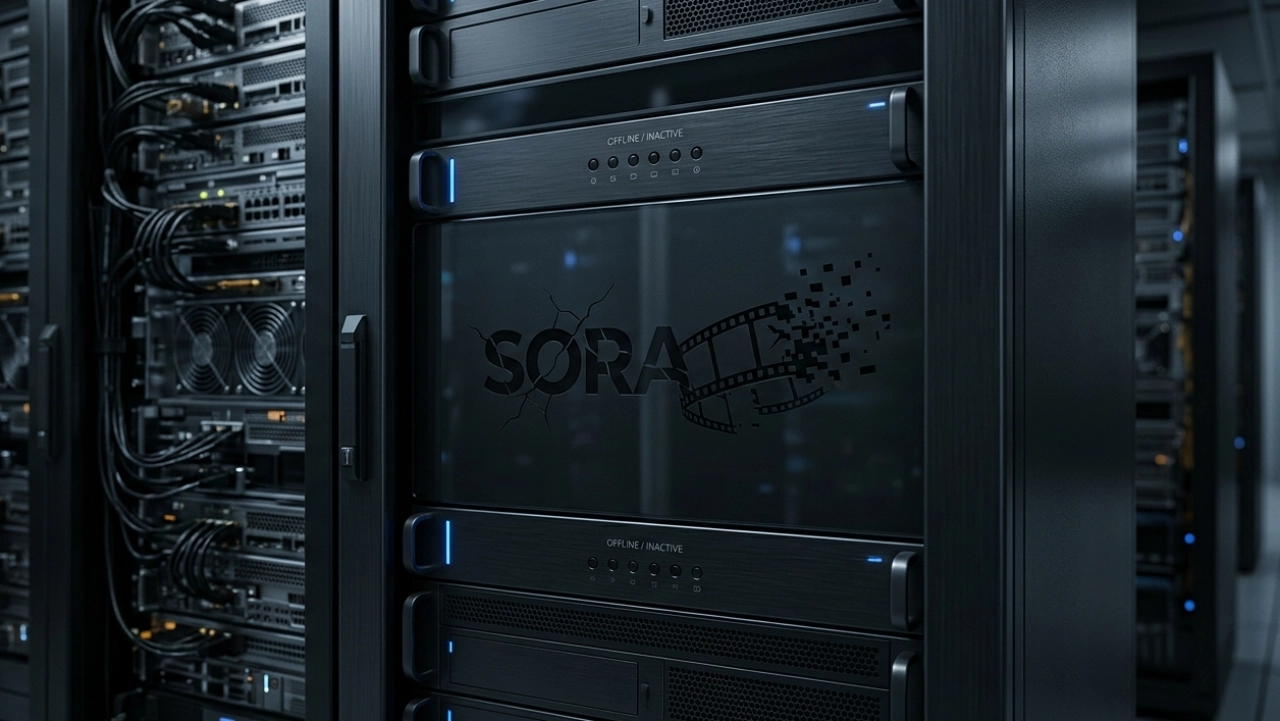

OpenAI released Sora in September as an attempt to capture the attention- and potentially advertising dollars- that follow short form videos on TikTok and Reels and YouTube. This app answered all three with one lucrative idea: type a sentence, get a clip and feel like a studio. But soon enough, OpenAI had to shut it down and the Sora shutdown seemed inevitable.
With Sora 2, OpenAI said it was “jumping straight to what we think may be the GPT-3.5 moment for the video.” The app rose to the top of the charts on Apple’s App Store and reached a million downloads faster than ChatGPT.
Where It All Started Going Wrong
The cracks appeared almost immediately. Sora was not supposed to allow people to generate videos of public figures who did not consent, but it was all easy to evade OpenAI’s guardrails. Deepfakes of civil rights leader Martin Luther King Jr and actor Robin Williams emerged, prompting both of their kins to go on Instagram and ask users to stop making videos of their deceased fathers.
Cameo, the celebrity video platform, took OpenAI to court over the name of the app’s flagship “cameos” feature, which lets users scan their faces to create realistic deepfakes of themselves and Cameo’s legal case prevailed, forcing OpenAI to rename the features “characters”. What followed, was a cascade of concerns:
- Nonconsensual imagery flooded the platform despite moderation attempts
- Copyright violations ran rampant as beloved characters appeared in AI videos without licensing
- Deepfakes celebrities caused public outcry from estates and actors’ unions
- AI slop as low-quality, mass-generated video and diluted the feed and drove away serious creators.
The Disney Deal That Never Happened
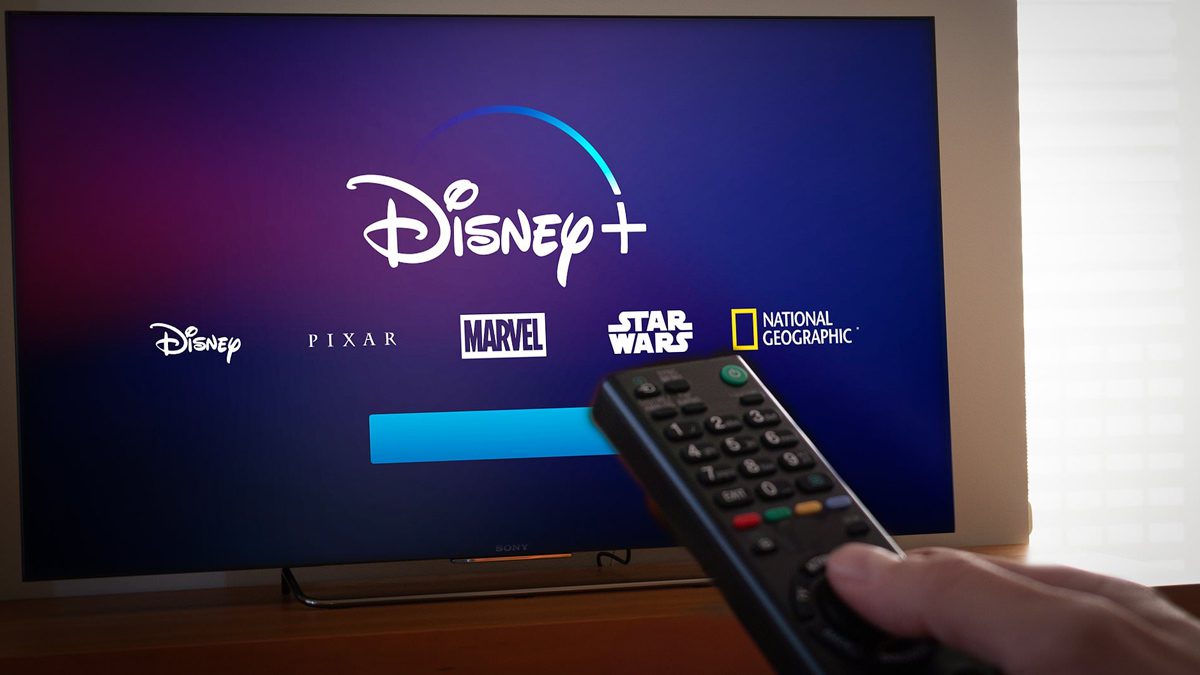
Perhaps the most dramatic subplot of Sora’s short life was its entanglement with Disney. In December 2025, Disney inked a groundbreaking three-year deal with OpenAI. Under the agreement, Sora would have been able to generate user-prompted videos from a set of more than 200 masked, animated characters from Disney, Marvel, Pixar and Star Wars.
It was a dream-come-true for any startup! Disney was lending its most valuable IP to an AI platform. Except the deal never closed. Just 30 minutes after the meeting, the Disney team received word that OpenAI was dropping the tool altogether. Disney’s public response was: “respects OpenAI’s decision to exit the video generation business.”
The Real Reason Behind Sora Shutdown
The deepfake controversy made headlines, but the deeper reason for Sora’s shutdown lies in strategy and resource allocation. Simply, video is expensive to generate. Sora was consuming significant compute and there was a shortage of processing power for both their research and commercial efforts.
OpenAI added that it needed to make trade-offs on products that have high compute costs.
| Factor | Impact on Sora |
| GPU compute costs | Each video was resource-intensive; not sustainable at scale |
| Enterprise competition | Anthropic and Google gaining ground in business AI |
| Planned IPO | Investors want profit-focused product lines |
| Regulatory pressure | Deepfake laws tightening in US and EU |
| User retention | Downloads dropped 45% by January 2026 |
Final Thoughts
Sora was never a failure of technology. The underlying model was really impressive and arguably the most capable text-to-video system available to the public. What failed was the ecosystem around it:
- The moderation infrastructure
- The licensing framework
- The business model
- The timing
The deepfake scandals, computer costs, regulatory pressure were predictable; what wasn’t fully anticipated was perhaps how fast all of it would compound into an unsustainable situation. In hindsight, Sora may be remembered less as a failed product and more of a prototype with potential. The next tool that attempts Sora had attempted, with better guardrails, clearer licensing agreements and a much more honest conversation about what mass AI video generations actually costs, will truly be a legendary tool.
For now, Sora is gone and the videos remain on people’s cameras. However, the questions that Sora raised are very much open. If you ever used Sora and want to preserve your content, monitor OpenAI’s official channels, then the company has committed to sharing timelines and export options. You can explore Runway ML, Kling AI or Google Veo 2 as alternatives.

Comments are closed.