
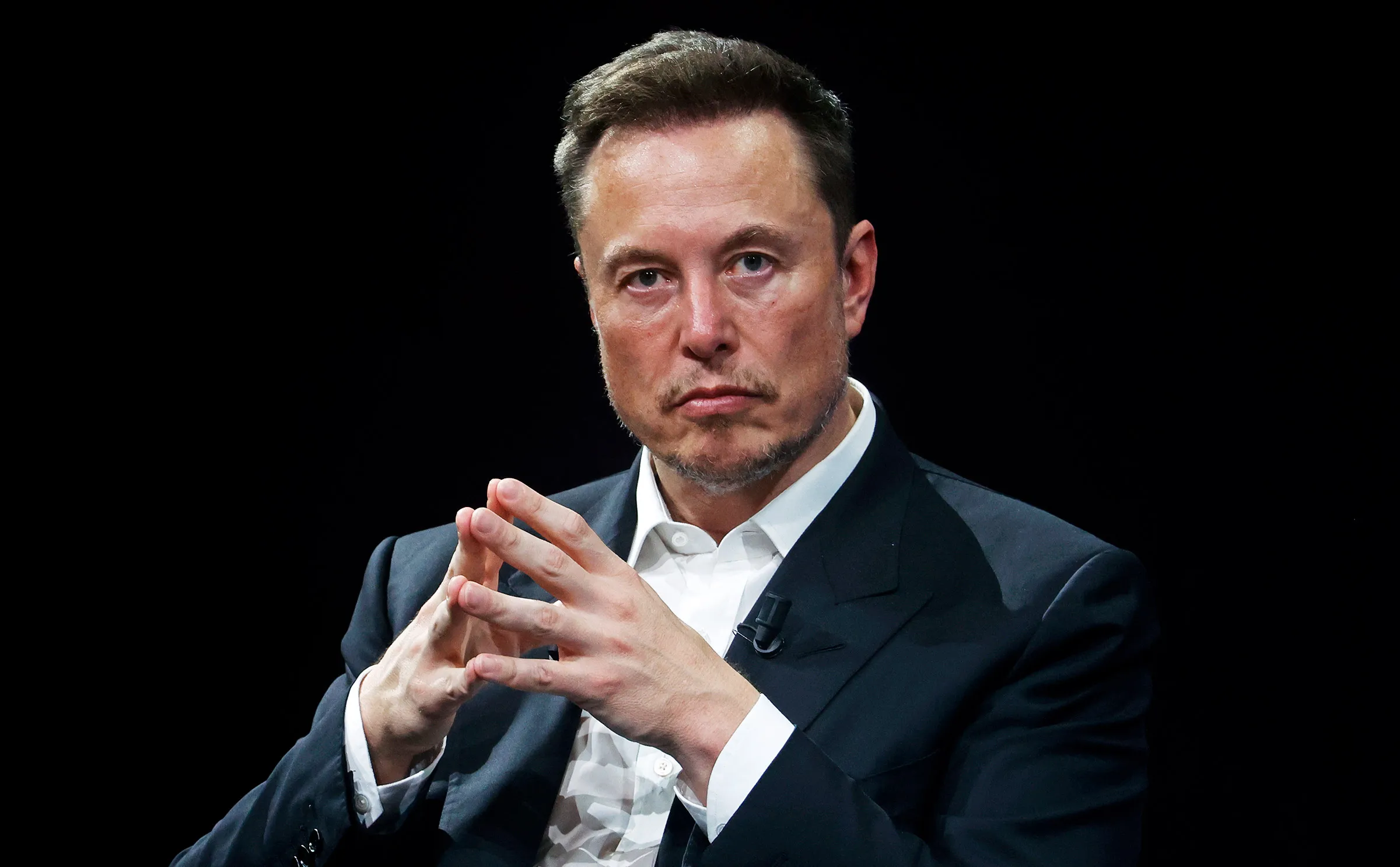

In a move that could reshape the artificial intelligence landscape, SpaceX has secured an option to acquire AI coding startup Cursor for a staggering $60 billion later this year. Alternatively, the company could invest $10 billion into a strategic partnership instead. Either path signals one thing clearly: SpaceX is going all-in on AI—and not just for space exploration.
This development highlights how the battle for dominance in AI is no longer limited to chatbots and search engines, but is rapidly expanding into developer tools, where real revenue and productivity gains are already visible.
Credits: Reuters
The Rise of AI Coding Startups
Cursor is part of a new wave of startups transforming how software is written. By leveraging advanced AI models, these platforms can generate, debug, and optimize code in real time—dramatically boosting developer productivity.
Alongside industry heavyweights like OpenAI and AnthropicCursor has quickly built a loyal following among developers. These tools are proving to be one of the earliest commercially viable applications of generative AI, attracting both enterprise clients and independent engineers.
For SpaceX, entering this space isn’t just diversification—it’s a strategic necessity as AI becomes foundational across industries.
Strengthening xAI’s Position
The deal is also closely tied to xAIElon Musk’s AI venture, which was merged with SpaceX earlier this year. xAI, known for its chatbot Grokhas so far lagged competitors in the fast-growing AI coding segment.
By bringing Cursor into its orbit, SpaceX could instantly gain a strong foothold in this high-demand market. Cursor’s existing user base and product capabilities would complement xAI’s ambitions, potentially accelerating its growth and relevance.
Interestingly, this collaboration is already underway at a talent level. Earlier this year, Cursor’s engineering leaders Andrew Milich and Jason Ginsberg joined SpaceX, contributing to both AI initiatives and futuristic lunar projects.
The Power of Colossus
A key piece of this partnership lies in infrastructure. SpaceX plans to leverage its massive AI supercomputer cluster, known as Colossus supercomputerto supercharge Cursor’s capabilities.
Colossus, located in Memphis, is touted as one of the largest AI training clusters in the world, powered by “a million H100-equivalent GPUs.” This level of compute power is critical in training next-generation AI models, especially those capable of handling complex coding tasks.
By combining Cursor’s software expertise with Colossus’ raw computational strength, SpaceX believes it can build “the world’s most useful models”—a bold claim that reflects the company’s broader ambitions in AI.
Timing Ahead of a Historic IPO
The announcement comes at a pivotal moment for SpaceX. The company is reportedly preparing for a highly anticipated public debut, targeting a valuation of around $1.75 trillion and aiming to raise as much as $75 billion—potentially the largest IPO in history.
This AI push could significantly enhance SpaceX’s narrative to investors. Beyond rockets and Starlink satellites, the company is positioning itself as a technology powerhouse spanning space, AI, and computing infrastructure.
If successful, the Cursor deal could become a cornerstone of that story, demonstrating how SpaceX plans to monetize AI at scale.
Beyond Earth: AI Meets Space Ambitions
What makes this development particularly intriguing is how it blends AI with space exploration. Elon Musk has long envisioned ambitious projects such as orbital space stations and lunar infrastructure.
The addition of top AI engineering talent from Cursor—and the integration of advanced coding models—could play a crucial role in automating complex systems required for these missions.
As Musk himself hinted, the future could involve “orbital space centers and mass drivers on the Moon”—ideas that may sound futuristic today but are increasingly being backed by cutting-edge AI capabilities.
Credits: Reuters
The Bigger Picture
SpaceX’s move reflects a broader shift in the tech industry: AI is no longer a standalone sector—it’s becoming the backbone of everything from software development to space exploration.
Whether SpaceX ultimately acquires Cursor or opts for a partnership, the message is clear. The next phase of competition in AI won’t just be about who builds the smartest chatbot—but who builds the most powerful ecosystem.
And with this bold bet, SpaceX is making sure it has a seat at that table.

Comments are closed.