
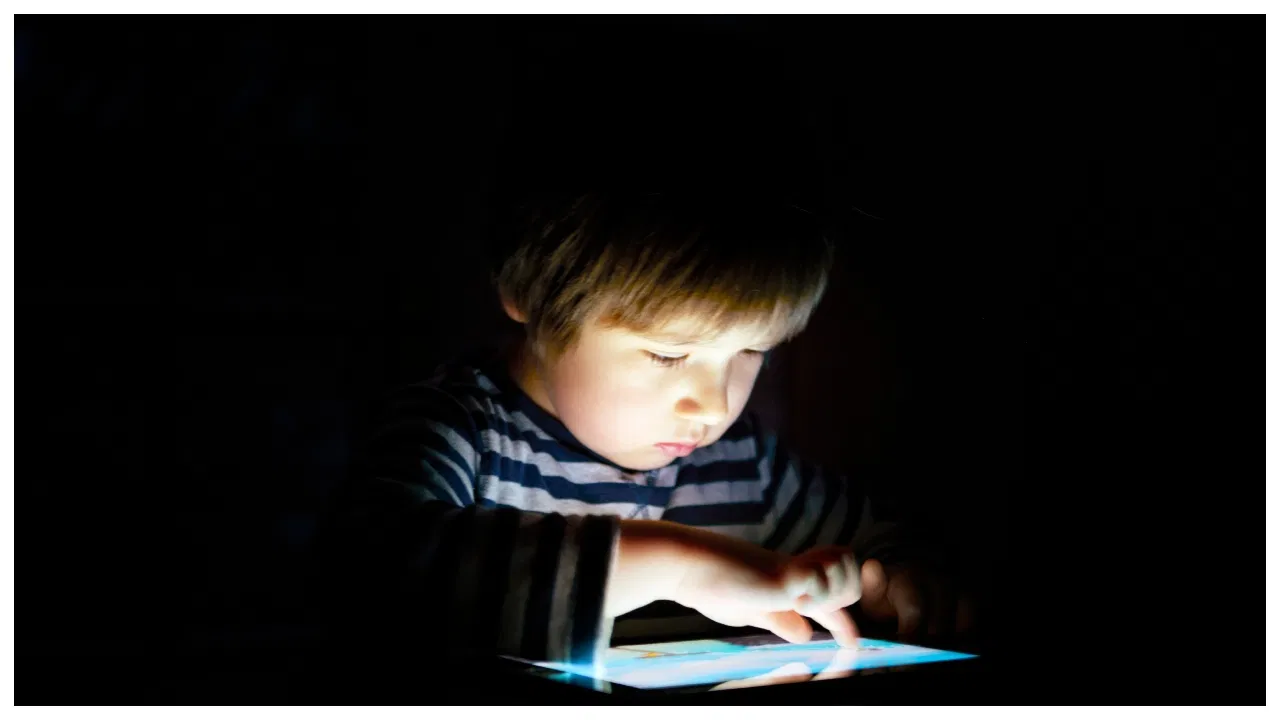

New Delhi: Winter brings shorter days and colder temperatures, encouraging more time indoors surrounded by digital screens, laptops, tablets, phones, and TVs. Whether for work, online learning, or recreation, increased screen exposure often leads to digital eye strain (also known as computer vision syndrome). This collection of symptoms stems from extended visual demand and environmental factors that challenge the eyes’ natural function.
Dr. Sandra Ganesh. Consultant, Aravind Eye Hospital, Coimbatore, explained why this happens.
Why It Worsens in Winter
- Extended indoor exposure: With outdoor activities curtailed by cold weather, both adults and children spend longer hours on screens working remotely, streaming entertainment, or gaming. Prolonged near-focus tasks fatigue the eye’s accommodative and convergence systems, especially in undercorrected refractive errors or latent binocular imbalances.
- Dim natural light: Shorter daylight hours and reliance on indoor lighting cause frequent adaptation between bright digital screens and relatively dim surroundings. This mismatch forces the pupils and retinal processing to adjust continuously, heightening visual fatigue.
- Dry indoor air: Central heating systems and low ambient humidity accelerate tear film evaporation, leading to ocular surface dryness. This dryness disrupts the tear film’s optical quality, causing fluctuating vision and discomfort.
- Reduced blinking: Concentrated screen use reduces spontaneous blink rate from around 15–20 blinks per minute to nearly half. Infrequent blinking increases tear evaporation and exposes the cornea longer, compounding dryness and irritation.
Key Symptoms
Individuals experiencing digital eye strain commonly report:
- Dry, gritty, or burning eyes
- Intermittent blurred vision
- Headaches, especially around the temples or brow
- Neck and shoulder discomfort due to poor posture
- Light sensitivity
- Difficulty refocusing from the screen to the distance
Practical Relief Strategies
Protecting your eyes in winter involves a combination of behavioural habits and environmental adjustments:
- Follow the 20–20–20 rule: Every 20 minutes, look at something 20 feet away for 20 seconds to relax accommodation and convergence muscles.
- Use artificial tears: Lubricating drops supplement the tear film and counteract dryness from heated air.
- Optimise lighting: Position screens to minimize glare from windows or lamps. Ensure ambient lighting balances the screen’s brightness.
- Adjust screen settings: Enlarge text, reduce brightness to match room lighting, and consider blue-light filters in the evening to reduce visual and circadian strain.
- Mind ergonomics: Keep the monitor an arm’s length away, positioned slightly below eye level to reduce lid aperture exposure and neck strain.
- Maintain air moisture: Use a humidifier and drink adequate fluids to support overall hydration.
- Incorporate movement breaks: Stand, stretch, and reset posture every 30–45 minutes to alleviate musculoskeletal stress.
Seek Professional Help
If symptoms persist despite these measures, consult an eye care professional. A comprehensive examination can uncover underlying issues such as uncorrected refractive error, accommodative dysfunction, or ocular misalignment. In some cases, targeted orthoptic or accommodative exercises can strengthen near vision endurance and relieve asthenopia. Stay eye-healthy this winter. With awareness and simple preventive steps, you can maintain comfortable, clear vision throughout the season.

Comments are closed.