

Spot adulterated paneer easily and learn how to make it at home for mouthwatering and healthy dishes

New Delhi: Paneer remains one of the most widely used ingredients in Indian kitchens, especially during festive occasions such as Holi, when rich curries, snacks and sweets take centre stage. Its soft texture and mild flavour make it a favourite for both traditional and modern recipes. However, rising cases of food adulteration have raised concerns about the quality of paneer available in markets. Some sellers substitute milk solids with cheaper fats, starch or synthetic additives to cut costs, creating products that look similar but lack nutritional value.
Such imitation paneer may not only compromise taste but also pose health risks when consumed regularly. Checking authenticity before cooking becomes particularly important during festivals, when bulk purchases are common. Thankfully, a few simple kitchen-based methods can help you assess quality quickly. You can also make paneer at home. Here is a clear, practical guide to identifying fake paneer and making it at home before adding it to your Holi menu.
Home test to check purity of paneer
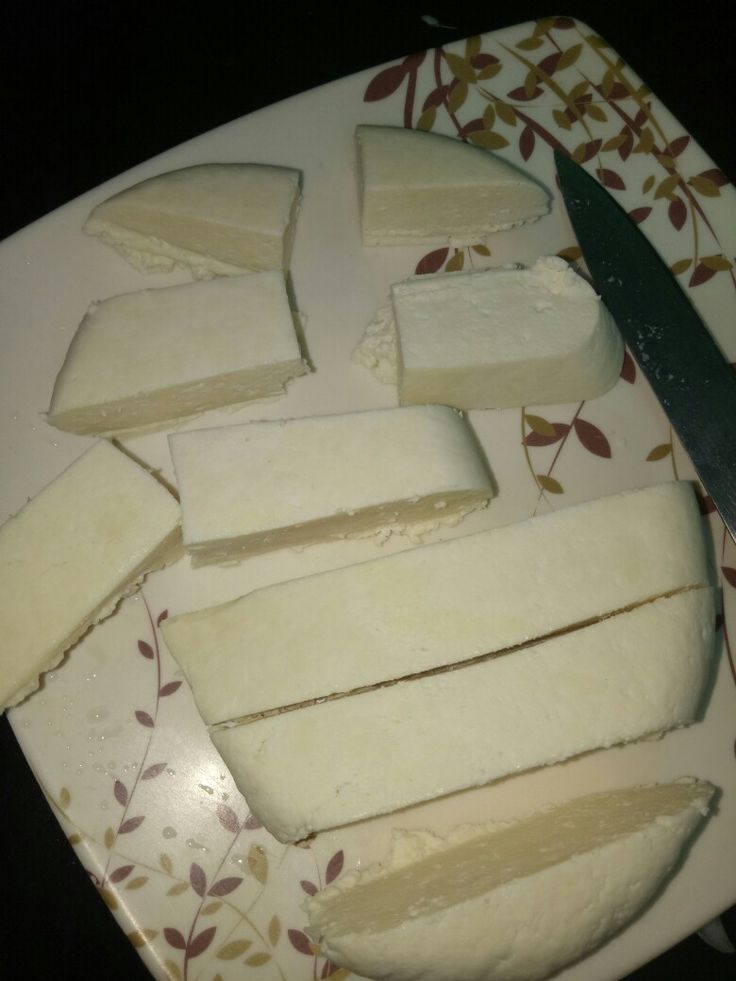
You do not need specialised equipment to examine paneer quality. Basic ingredients and careful observation can offer useful clues about whether the product is genuine or adulterated.
1. Water test: Observe texture change
Place a small cube of paneer in hot water. Genuine paneer, made from curdled milk, tends to soften slightly as natural proteins react to heat. Adulterated paneer, especially that containing starch or hardened fats, often remains firm and may float without softening.
2. Vinegar test: Check for curdling reaction
Crush a small portion and add a few drops of vinegar. Real paneer usually reacts due to the presence of milk proteins, releasing slight moisture. Lack of visible reaction can indicate imitation content.
3. Burn test: Notice its smell
Carefully heat a small piece over a flame. Authentic paneer emits a mild burnt milk aroma. If the smell appears chemical or plastic-like, the product may contain artificial substances.
4. Taste and texture test
Fresh paneer feels soft, slightly grainy and mildly milky in flavour. Fake versions may feel rubbery, overly oily or leave an unusual aftertaste.
5. Freezer test: Examine firmness after thawing
Freeze a small cube for about an hour. Genuine paneer becomes firm but softens naturally once thawed. Imitation paneer may remain unusually hard or crumbly.
How to make fresh paneer at home
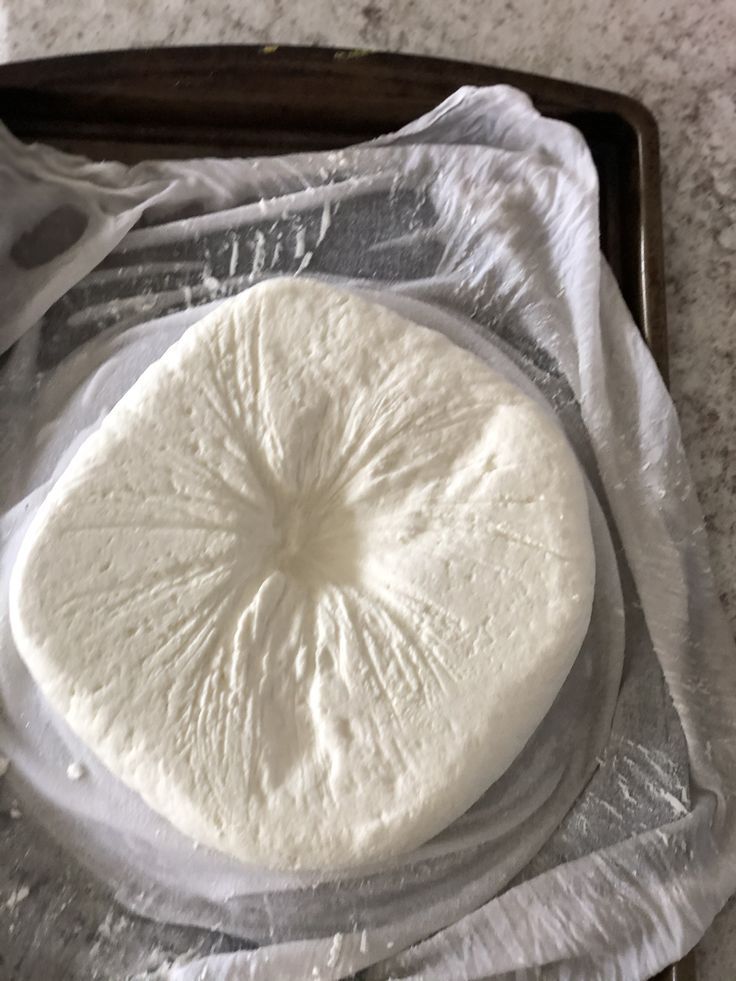
Step-by-step instructions to make paneer
- Boil two litres of full-fat or whole milk in a heavy-bottomed pan, stirring occasionally to prevent burning.
- After turning off the heat, add 3-4 tablespoons of lemon juice or white vinegar mixed with water gradually, stirring gently until the whey separates and looks greenish.
- Pour the combination into a colander lined with cheesecloth or muslin cloth.
- Rinse the curdled milk under cold water to remove the acidic taste and make the paneer soft.
- Squeeze out excess water, wrap the paneer tightly in the cloth, and place a heavy object on top for 1 to 3 hours.
- Refrigerate the block. For best results, keep it in an airtight container for at least 6 hours or overnight before slicing.
Festive meals deserve safe, high-quality ingredients. A few quick checks in your kitchen and making it at home can help ensure that the paneer on your Holi table is fresh, authentic and fit for celebration.

Comments are closed.