
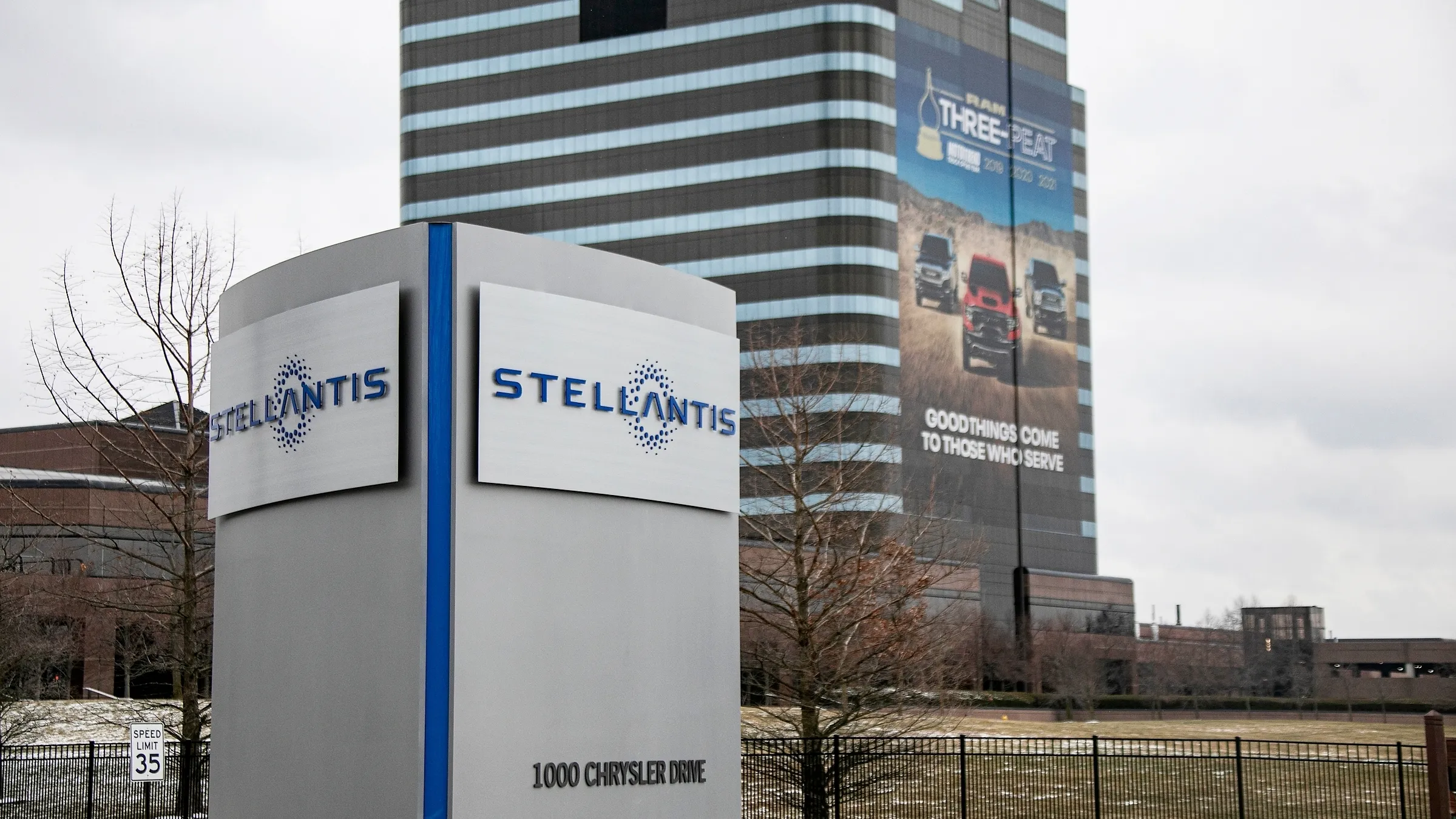

Stellantis has had a rough year. For the first time in its history, the company posted an annual loss, and it’s not a small one. We’re talking about €22.3 billion gone in 2025, with revenues also slipping slightly compared to the previous year.
Numbers like that don’t just sit on balance sheets. They ripple outward. And in this case, the first people to feel it are the workers.
The EV Bet That Didn’t Land
Here’s the thing. Stellantis leaned hard into electric vehicles, expecting demand to ramp up quickly. It didn’t. Not at the pace they planned for.
So now the company is pulling back, and that reset comes with a cost. A big one.
CEO Antonio Filosa admitted as much, saying the company overestimated how fast the shift to electric would happen. What they’re doing now is course-correcting, trying to strike a balance between EVs, hybrids, and traditional petrol engines instead of going all in on one direction.
It’s less about vision now, more about reality.
Workers Left Disappointed
This is where it gets real.
Because Stellantis didn’t meet its financial targets in North America, UAW-represented employees won’t be getting profit-sharing checks for 2025.
For many workers, that’s not a bonus. It’s expected income. Something they plan their year around.
So when that disappears, it hits hard. Especially after a year where they’ve already seen uncertainty around production shifts and strategy changes.
The reaction coming out of places like Detroit? Frustration, disappointment, and a sense that they’re paying the price for decisions made at the top.
Back to What Customers Actually Want
Stellantis is now trying to steady itself. The new approach sounds simple: give customers options.
Electric if they want it. Hybrid if that makes more sense. Good old internal combustion if that’s still their choice.
One move that caught attention is the return of the HEMI V8 in the Ram 1500. It’s a clear signal that the company is not ready to walk away from its legacy strengths.
At the same time, there’s a push to fix execution issues, improve product quality, and make launches count.
Basically, less theory, more delivery.
Can 2026 Turn This Around?
The company is putting a lot of weight on 2026. Leadership believes the reset will start paying off, and that growth, this time, will be more grounded.
But let’s be honest. This isn’t just a Stellantis problem. The entire auto industry is trying to figure out the same thing. How fast do you go electric without getting burned?
For Stellantis, 2025 might end up being that painful reality check.
Now it’s about what they do with it.

Comments are closed.