
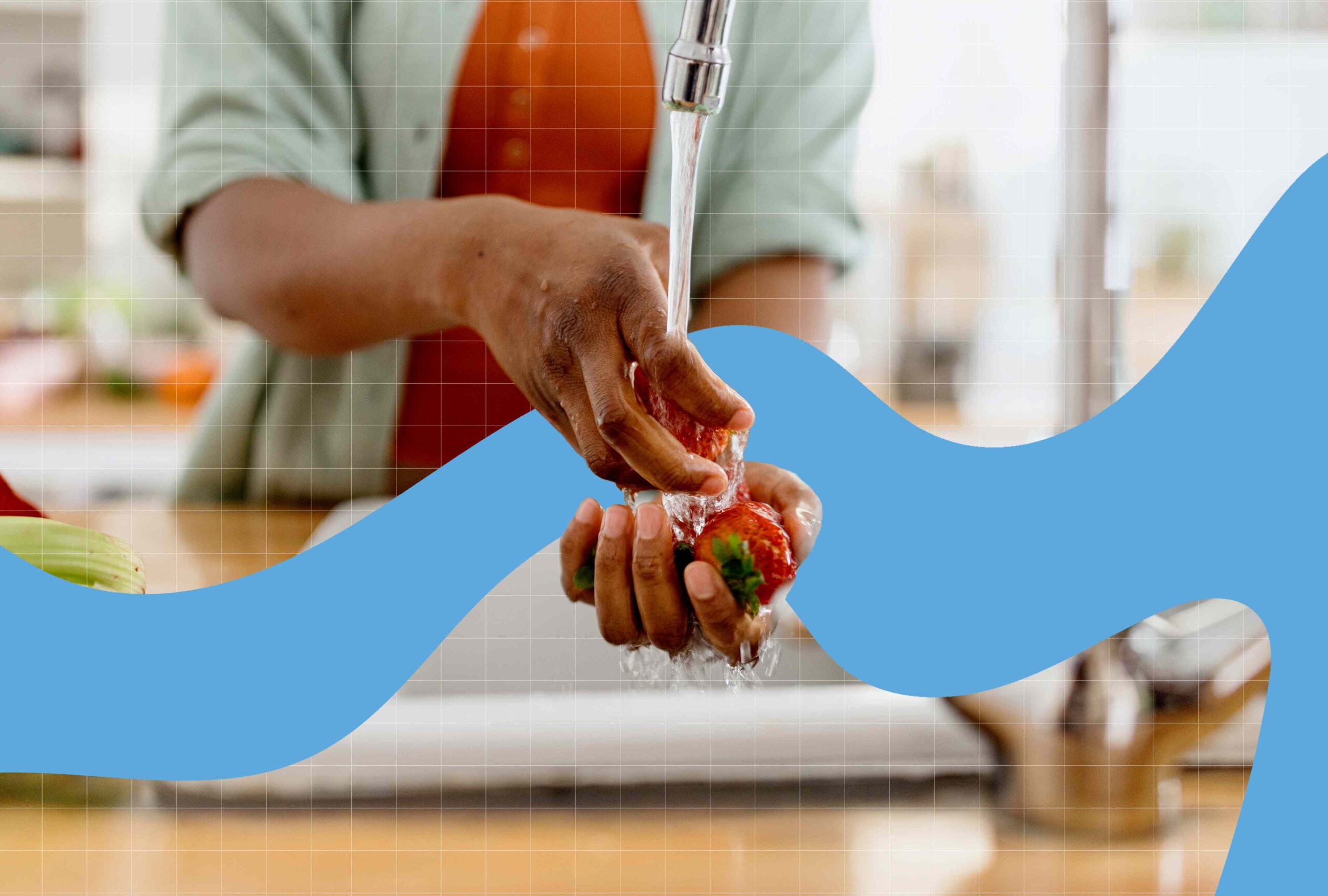

When it comes to these fruits, save the rinse until snack time.
Key Points
- Avoid washing berries before storing to prevent mold and extend their fridge life.
- Apples and grapes have natural coatings that protect them; wash only before eating.
- Thin-skinned fruits like peaches spoil faster if washed before storage.
Washing your fruit immediately after bringing it home seems like a good idea in theory: It’ll all be ready to eat the moment you want a snack, removing any potential obstacles to getting more fruit into your diet. But if you’re hoping for your fruit to keep until your next grocery run, it’s better to wait. Experts say washing these 5 fruits before storing them can almost ensure they’ll get moldy. We broke them down below, but remember: you still need to wash fruit before you eat it! Just avoid giving these ones a rinse until you’re ready to snack on them.
Berries
Strawberries, blueberries, raspberries and blackberries are porous fruits, meaning they absorb water quickly, so it’s best to store them without rinsing first. “That extra moisture creates the perfect environment for mold to grow and causes them to soften much faster than they otherwise would. Even a brief rinse can cut days off their fridge life,” explains Amanda Orr, spokesperson for Sunset Produce. Instead, strawberries, raspberries and blackberries should all be stored in a single layer inside a paper towel-lined, loosely covered container, or one with ventilation, in the fridge. Storing berries in a single layer will prevent the fruit from bruising, while the paper towel will absorb any excess moisture. Blueberries are a bit more forgiving than other berries, Orr explains, but they will still benefit from being placed in a paper-towel lined container.
Apples
Apples are certainly tougher than fragile berries, but don’t mistake their hardiness as a reason to wash them before storing. Apples naturally have a protective waxy cuticle, which helps them retain moisture and stay crisp. “Washing before storage strips that away, leaving them more vulnerable to drying out and deteriorating faster,” says Orr. Instead, store them at room temperature (if you’re planning to eat them in the next few days) and keep apples away from other fruits, as ripe apples produce ethylene gas and can accelerate ripening and spoilage for nearby produce.
Peaches and Nectarines
Soft fruits with a thin, delicate skin, peaches and nectarines need to be handled with care. “Soft fruits and vegetables that are likely to be damaged or allow rapid mold growth should be kept dry and washed just before using,” says Stephanie Smitha consumer food safety specialist and food science professor at Washington State University. Peaches and nectarines fit that bill, she adds: “Nectarines and peaches have thin, soft skin, so the introduced moisture can penetrate the skin and definitely accelerate mold and decay.” Instead of washing and then storing, ripen them at room temperature, then refrigerate and wash these just before eating them.
Grapes
Grapes, especially red and purple varieties, can sometimes appear dusty or like they have a white, waxy coating, which may prompt you to immediately run them under some water. Resist that urge, Smith says. That white, dusty or waxy coating isn’t actual dust or residue — it’s a natural coating, called a bloom, that helps protect the grape from insects and spoilage. Washing removes that bloom, similar to apples, and can cause them to decay faster. Instead, give them a rinse just before eating, and keep them stored in the fridge.
Cherries
Like berries, cherries shouldn’t have moisture sitting on their skin, as that can lead to decay, Smith explains. Instead, keep them unwashed until you’re ready to eat them. It’s also best to store them with their stems, as this will help keep them fresh for longer, and to always keep them in the fridge.
How to Wash Fruit Correctly
As both experts pointed out, fruits with edible skins still need to be washed before you eat them — it’s just best to avoid washing the above fruits until it’s actually snack time. When it does come time to wash, do so under running cool water and remove any visible dirt or residue, whether you buy organic or conventional produce. “Bacteria do not care how something was grown and they are equal opportunity contaminators,” Smith says. She also says that produce shouldn’t be washed with soap or other chemicals, like vinegar, as these can potentially introduce other contaminants into the fruit or make you sick.
When drying, do so thoroughly with clean and sanitized towels or paper towels. If you’re washing berries, which can be delicate, Orr recommends against drying them in a salad spinner, which can bruise or damage the fruits. A glass jar or container can also potentially keep fruit fresher for longer in the fridge than a plastic one, according to our experts.
The Bottom Line
While you should wash all fruit before consuming it to remove residues, dirt and debris, for many fruits it’s best to wait until you’re about to eat them to do so. It’s not washing them that’s harmful, it’s storing them while they’re still wet and stripping away naturally-present protective coatings. Berries, for example, are porous, and the introduced moisture can cause them to decay faster. Apples and grapes both have protective coatings (a waxy layer on apples and a “bloom” on grapes) and washing can remove these. For thin-skinned, delicate fruits, like peaches and nectarines, washing too soon can also result in early spoilage. When it comes time to wash, do so with running water and dry them thoroughly with a clean towel.

Comments are closed.