
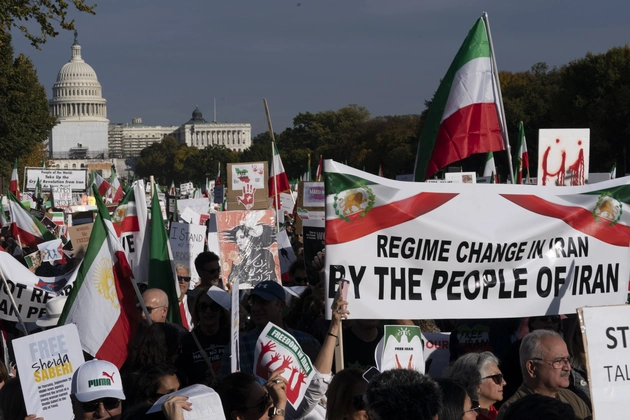

Although protests, strikes, and economic dissatisfaction persist across Iran, one study published by the Geopolitical Monitor suggests that any significant change in the Iranian government will come not from outside influences but from the Iranian people themselves. Dr. Sofey Saidi, who authored the article, argues that over the last year, there has been a growing number of protests across Iran. She points to the vast majority of these protests being initiated by women and youngsters who have very publicly led the way for change.
These developments have created a network of resistance that has been continuing its efforts despite the Iranian government’s use of force to suppress them. The use of coordination for these resistance movements is an example of how the Iranian people are showing their will to oppose theocratic rulers without the help of foreign supporters or through gradual reform from regime insiders. Additionally, she cautions against believing that the Iranian regime will eventually collapse simply because of the difficulties facing it, as there are many historical examples of governments surviving long periods of internal strife. Lastly, she references organized groups of opposition (NCRI) as evidence that Iranians are creating alternative means to effect change on their own terms.
The analysis of Iran’s future from Washington’s point of view shows that there is a consistent weakness in American policy. For a good number of years, either through diplomacy or sanctions, the United States has tried to depend on change happening from inside the current system. Saidi refers to this incorrect way of interpreting Iranian agency when he states, “If there is going to be change, it will have to come from Iran, not actually come from outside Iran.”
U.S. officials have always believed that providing support to the Iranian people does not mean encouraging the Iranian regime to be overthrown by someone outside of Iran. The analysis makes this case as well; there is not enough power for any foreign actor to create an internal Iranian reform process. Considering the growing number of domestic pressures facing Iran today, Saidi claims that Iran’s future is “fluid, subject to change at any time by events that are still unfolding”; therefore, much of how Iran’s future is determined will be through the actions of the regional and international communities, as well as the actions taken by the Iranian people.

Comments are closed.