
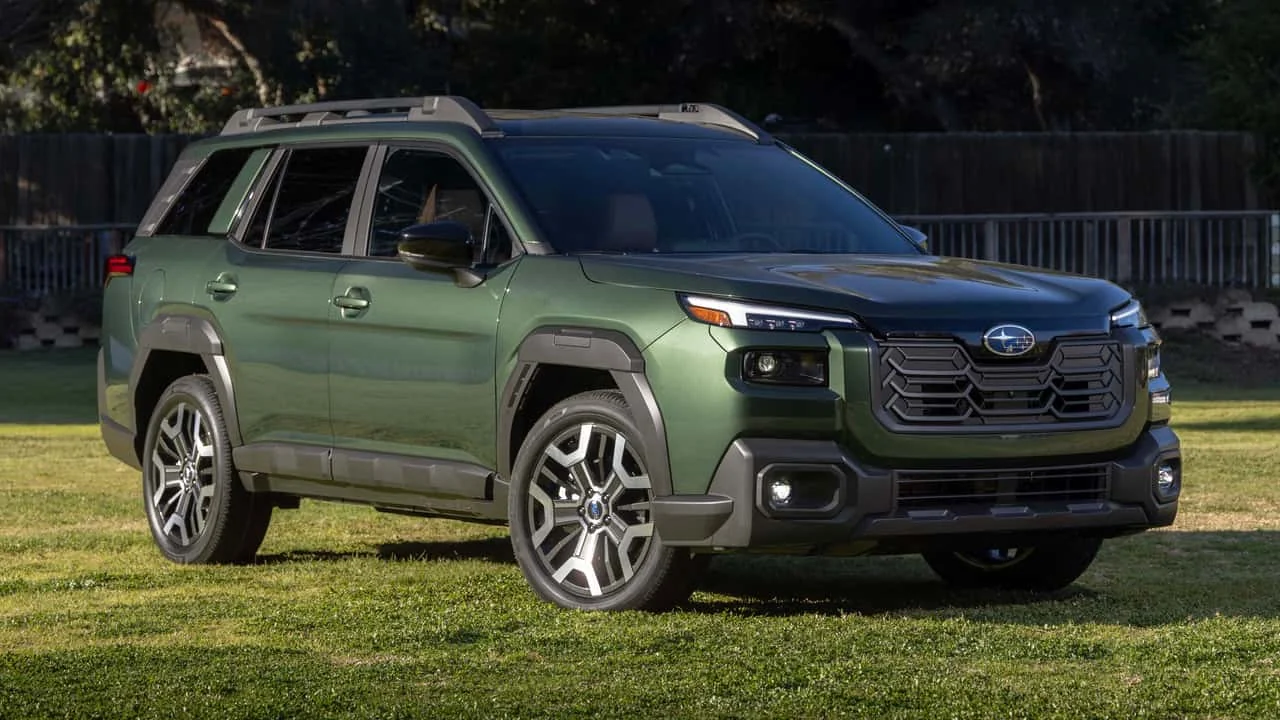

Subaru expected 2026 to begin on a strong note. Instead, the brand is facing a slower start than anticipated, and much of the slowdown can be traced back to one familiar name: the Subaru Outback.
After decades of building a loyal following as a rugged wagon, the Outback has taken a new direction. The latest generation leans more heavily into SUV territory, and early sales numbers suggest buyers aren’t entirely convinced.
A Bold Change That May Have Gone Too Far
Since its debut in 1994, the Subaru Outback has built its reputation on being something different. It wasn’t quite a traditional SUV, and it wasn’t just a wagon either. That balance became its biggest strength. Families loved the practicality, outdoor enthusiasts appreciated the capability, and longtime fans embraced its unique personality.
In 2025, Subaru decided to shake things up.
The seventh-generation Outback moved away from its wagon roots and adopted a more conventional SUV shape. On paper, the strategy made sense. SUVs dominate the market, and aligning the Outback with that trend seemed like a safe bet.
But early numbers tell a different story.
In March 2026, Subaru sold just 10,004 Outbacks in the United States. That’s a steep 42.9 percent drop compared to the same month last year. The first quarter doesn’t look much better, with 27,074 units sold versus 39,934 in Q1 2025, a 32.2 percent decline.
There are a few reasons behind the drop. A reported $5,000 price increase certainly doesn’t help. But the biggest factor may simply be the change itself. The Outback’s identity was its strongest selling point, and by moving closer to a traditional SUV, Subaru may have lost what made it special.
Sales Slip Across the Lineup
The Outback isn’t the only model feeling the pressure. Subaru’s overall sales have also taken a hit.
In March 2026, Subaru reported total U.S. sales of 54,674 vehicles, down 23.5 percent compared to the same month last year. Nearly every model in the lineup posted year-over-year declines.
The Ascent fell 27.5 percent, while the Impreza dropped a sharp 50.9 percent. The WRX also slid 17.3 percent, and the BRZ dipped 13.8 percent, continuing to sell fewer than 400 units per month. The discontinued Legacy saw the biggest drop, down 83.5 percent, which isn’t surprising given its exit from the market.
There was, however, one bright spot.
Subaru’s all-electric Solterra recorded its best month yet, with 1,736 units sold in March, up 50.4 percent year over year. That’s particularly notable given the loss of EV tax incentives. It suggests that while some parts of Subaru’s lineup are struggling, interest in its electric future is slowly growing.
The Forester remained Subaru’s top seller, with 20,412 units sold in March. Still, even that popular model saw a 9.6 percent decline for the month. On a more positive note, Forester sales for the first quarter rose 8.6 percent compared to Q1 2025.
Overall, Subaru delivered 141,944 vehicles in the first quarter of 2026, marking a 14.9 percent drop year over year.
When Loyal Buyers Push Back
Subaru says part of the decline is due to unusually strong sales in March 2025, which makes this year’s drop appear more dramatic. That’s fair. But the scale of the decline suggests something more is happening.
Here’s the thing. When buyers fall in love with a vehicle, they’re not just buying specs. They’re buying character, identity, and familiarity. The Outback built its reputation by standing apart from the crowd. By shifting toward a more conventional SUV design, Subaru may have unintentionally blended it into the very segment it once stood outside of.
Subaru hoped the new direction would attract a broader audience. Instead, early signs suggest it may have alienated some of its most loyal customers.
It’s still early in the year, and things can change. But for now, Subaru’s bold Outback gamble looks like a reminder that sometimes, staying true to what works matters more than chasing trends.

Comments are closed.