

Highlights
- India’s super-app race is still unfolding, with no clear winning model yet.
- Multiple niche leaders may emerge instead of one dominant all-in-one platform.
- Super-app success depends on making services smoother, faster, and more reliable.
- AI-driven efficiency and smarter user experiences will shape the next growth phase.
The idea of Super Apps India doing it all: texting, paying bills, buying stuff, planning trips, handling money, among other things, is something tech creators everywhere have chased. Over in India, that vision has gone from just talk to loud trial runs. Big firms here are stitching together multiple tools inside their apps, hoping folks will not feel like opening anything else.
How Indian super-apps are bundling services
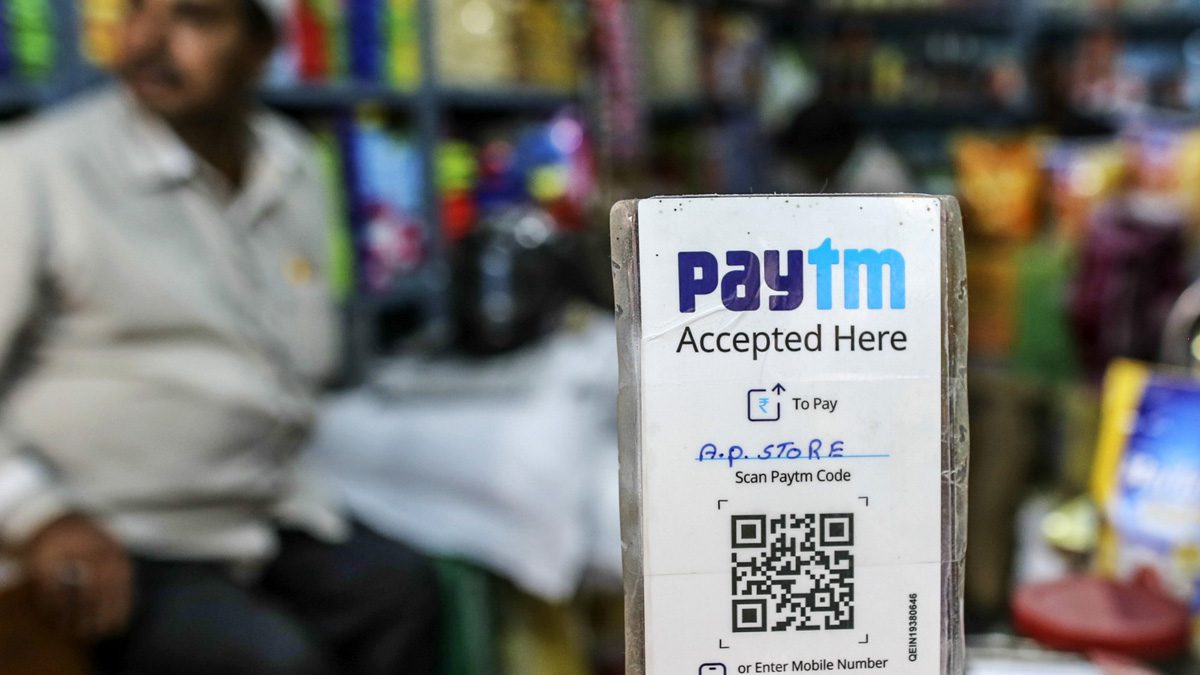
Different firms jump into the super-app trend from unique spots, where they start to shape what features they add and how fast they spread. Lots of top contenders kicked off as payment tools. Once these apps gain users by managing regular buys, they lean on that reliability to move into banking-like perks or shopping options.
Since folks already use them for things like topping up phone credit or sending cash, slipping in mini-loans, savings plans, coverage deals, or concert passes feels natural. The constant stream of purchases leaves behind info plus builds connections, which could lead to new offers or better customization. To someone using it, everything seems smooth, just one quick tap to cover costs, maybe grab coverage in the same spot; and from the business side, this means earning more per person.
A different way to build a super-app is through big companies combining their physical shops and digital tools into one platform. Because they already run stores, hotels, or popular products, it makes sense, tossing everything into a single app lets them talk straight to buyers without using outside platforms. This shift can mean fatter profits, deeper customer ties, plus smarter ad use focused on what the company actually sells. Still, just stuffing brands into one place will not guarantee people open the app every day; the experience must feel worth returning to.
A third path emerges through big names in telecom and shopping, mixing wide reach with handy digital tools. Take a phone service: it has got tons of users, so adding video, payments or shopping feels natural thanks to constant network access. In the same way, a store with countless real-world locations might use an app to link buying online with pickup offline. Instead of just selling stuff, they aim to build one smooth world where getting connected, watching things, and spending money all happen together.
The cost side: here’s why combining things might help
Bundling works well financially. One service can lead users to try another, boosting how much they are worth over time. When people trust an app for paying bills, they are likely open to trying extras such as small insurance plans or saving tools. Adding features means extra income, and keeps folks coming back more often.
Second, having a self-owned store and stock might boost profits. If a business sells real goods or its own brand, adding shopping features right in the app cuts reliance on big online platforms, giving more say over prices, deals, while streamlining delivery. This tight grip works even better alongside rewards plans, pushing customers to come back often, leading to steadier income.

Third, platforms get perks on both sides when they lock merchants into their setup. Once a seller relies on a platform’s payment tools, ad dashboard, or short-term financing, leaving gets costly, plus it messes up daily operations. Better sales insights flow in naturally, so inventory and price tweaks become sharper.
Then comes the ripple effect: transaction history feeds lending choices and tailored suggestions; heavier sales traffic means stronger leverage with suppliers and cheaper shipping deals. All this adds up, it is why firms keep chasing the super-app idea, betting that stacking these gains builds unshakable momentum.
The tensions: items, focus, also rules
Even though the idea makes sense on paper, real-world issues get in the way. From a design angle, the app might turn into a jumbled mess of features. Trying to serve all needs at once often leads to confusion instead of clarity. The main functions people rely on daily could end up buried or ignored. People install apps for their wide range of tools, yet that does not mean they come back regularly.
India’s digital scene is split between many rivals. Payments apps, big tech firms, telecom networks, or separate shopping sites, all fight for space in similar areas. People usually pick whatever works best per task, not one giant app for everything. So, folks end up juggling several niche tools day-to-day. That habit breaks the tight grip super-apps try to build.

Unit economics are a big worry. Lots of platforms rely on steep discounts just to pull in users fast, this goes double for e-commerce spots. Keeping those deals going costs a ton; it makes sense only when folks start buying pricier services later, like loans or ads. Without that shift, profits take a hit every month.
Can the super-app idea last in India?
Whether the super-app idea sticks relies on real-life usefulness. Combining features should actually help people skip steps instead of piling up random tools. Top apps will link functions so things feel easier, like getting quick loan options right when buying something, or handling returns fast without hassle. Each change needs to cut effort, not add clutter.
Secondly, picture several strong players sticking around instead of one clear leader. India’s market is huge, packed with variety, so companies shine in their own ways: payment services move money fast, big business groups control stock and keep customers close, while telecom-store combos reach nearly everywhere. One type wins here, another there, wherever they have got the edge. No single giant will take over; things will stay split among many.
Rules will also change how systems are being built. Because of policies on moving data, handling payments, or shielding users, platforms might stay locked down or start working together. When laws are clear and enforced steadily, firms that grow within limits gain an edge; if regulations shift fast, the race starts over.
Finally, using AI wisely could really pay off. Sites that use smart tech to save money, boost how people enjoy things, or pick better options may grow stronger financially. Yet getting reliable systems working widely, while protecting personal info and treating everyone fairly, will matter most, so folks do not push back.

Comments are closed.